U.S. Boycotts G20 Summit in South Africa, Sparking Diplomatic Rift and Future Host Debate
The U.S. boycotted the G20 summit in South Africa, citing President Trump's claims, causing diplomatic friction. South Africa, the first African host, championed climate and inequality.
 Newsmax
The G20 Summit in South Africa Ends with the Glaring Absence of the US after Trump's Boycott

 NPR
NPRG20 summit closes in South Africa after U.S. absence
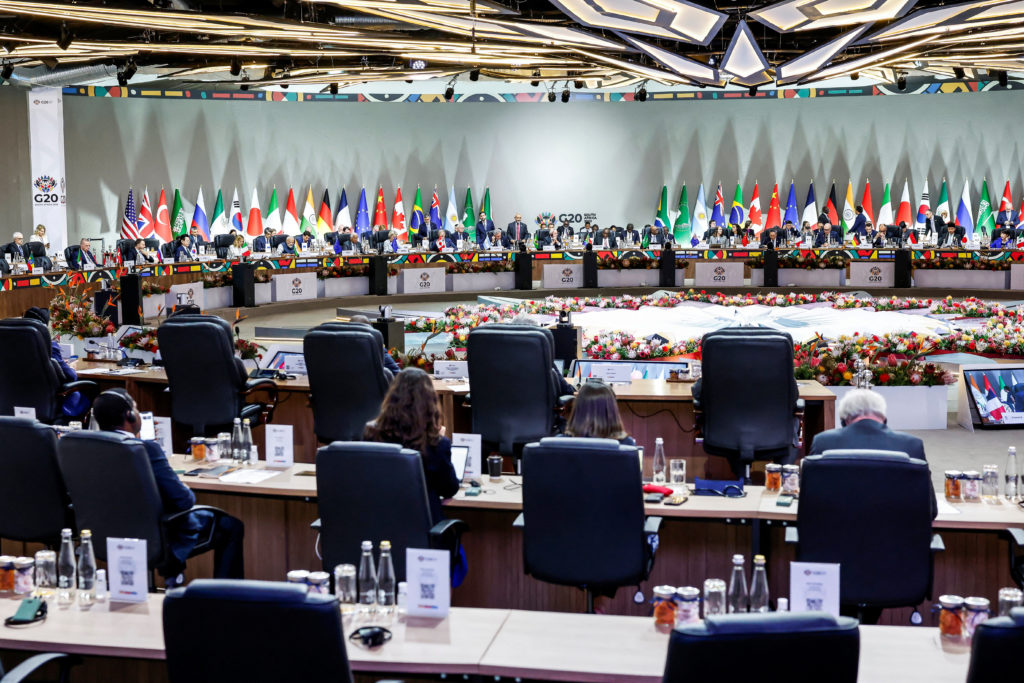
 PBS NewsHour
G20 summit in South Africa ends with glaring U.S. absence after Trump's boycott
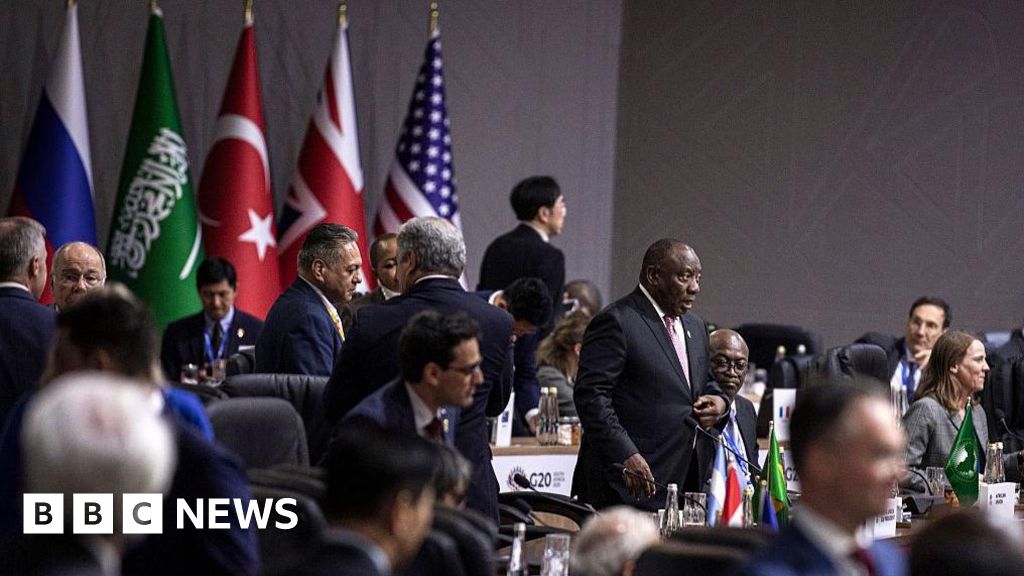
 BBC News
G20 summit boycotted by US closes in South Africa
Overview
The G20 summit, held for the first time in Africa, concluded in Johannesburg, South Africa, amid a significant boycott by the United States, highlighting global diplomatic challenges.
President Trump boycotted the summit over debunked claims of South Africa persecuting its white Afrikaner minority, leading to the U.S. absence from the traditional presidency handover.
This U.S. boycott created diplomatic tensions, with South Africa criticizing the last-minute decision for only a junior official to attend the G20 presidency handover ceremony.
South Africa, as host, championed an ambitious agenda focusing on climate change and global wealth inequality, which faced resistance from the U.S. despite a declaration being adopted.
The U.S. plans to host the 2026 G20 summit at Trump National Doral Miami, raising questions about future leadership and the bloc's ability to address global economic issues collaboratively.
Analysis
Center-leaning sources frame the G20 summit as a diplomatic success for South Africa, highlighting its resilience against disruptive U.S. actions. They emphasize the Trump administration's "false accusations" and attempts to "derail" the event, portraying South Africa as successfully defying U.S. pressure regarding protocol and the joint declaration.