Long-Dormant Ethiopian Volcano Erupts, Spreading Ash Across Region
Ethiopia's Hayli Gubbi volcano erupted for the first time in 12,000 years, blanketing Afdera village in ash and impacting local livelihoods, with plumes reaching as far as India.

 Al Jazeera
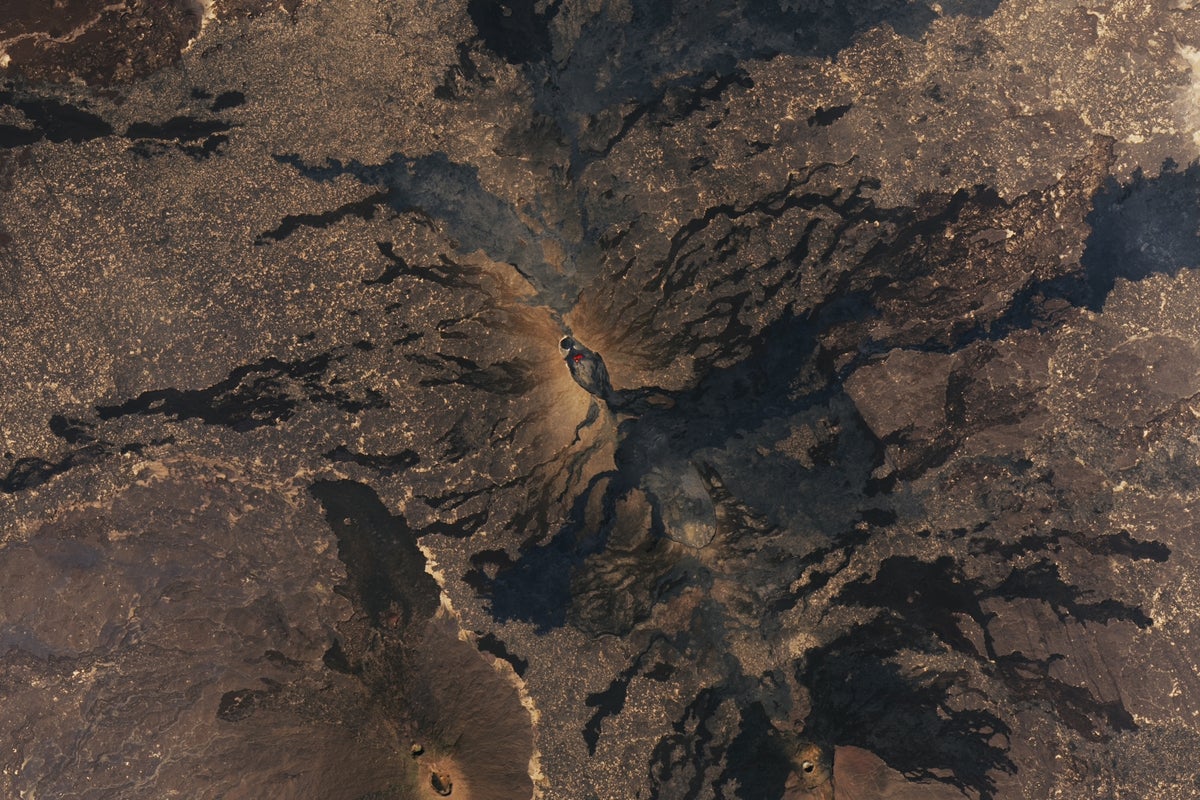
Ethiopian volcano erupts after lying dormant for 12,000 years
 Scientific American
Volcano Erupts After Lying Dormant for 12,000 Years, Sending Scientists Scrambling
 Daily Beast
Volcano Erupts for the First Time in Almost 12,000 Years
 CBS News
Volcano in Ethiopia erupts for first time in nearly 12,000 years: "It felt like a sudden bomb"
Overview
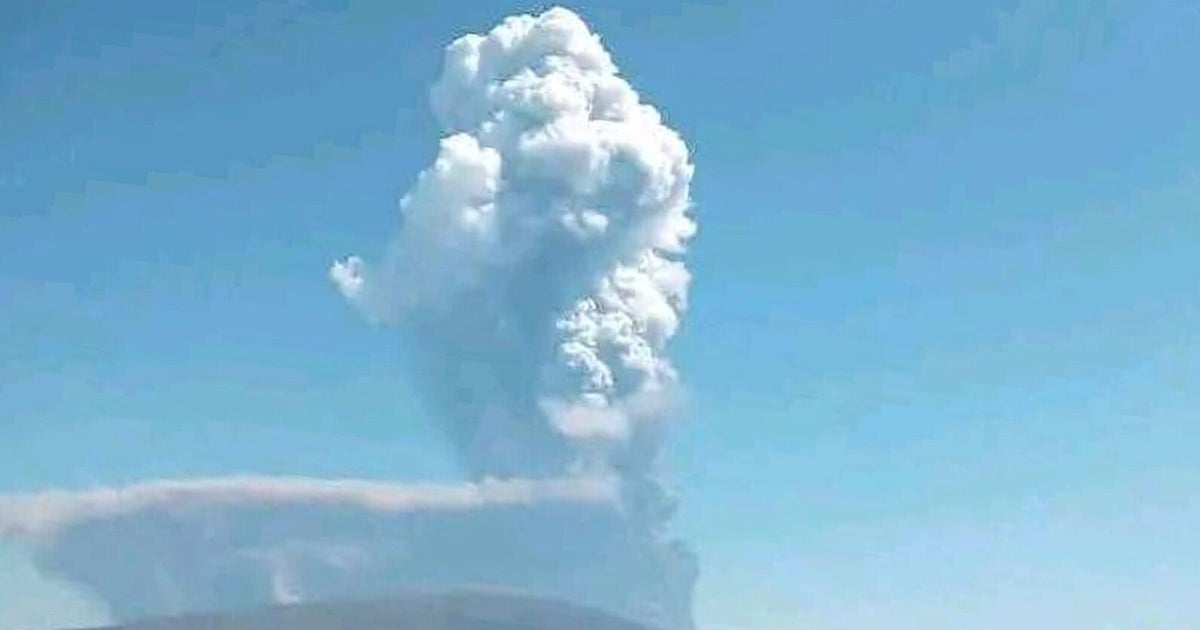
Ethiopia's Hayli Gubbi volcano in the Afar region erupted on Sunday, marking its first known activity in 12,000 years and sending a massive ash plume nine miles into the sky.
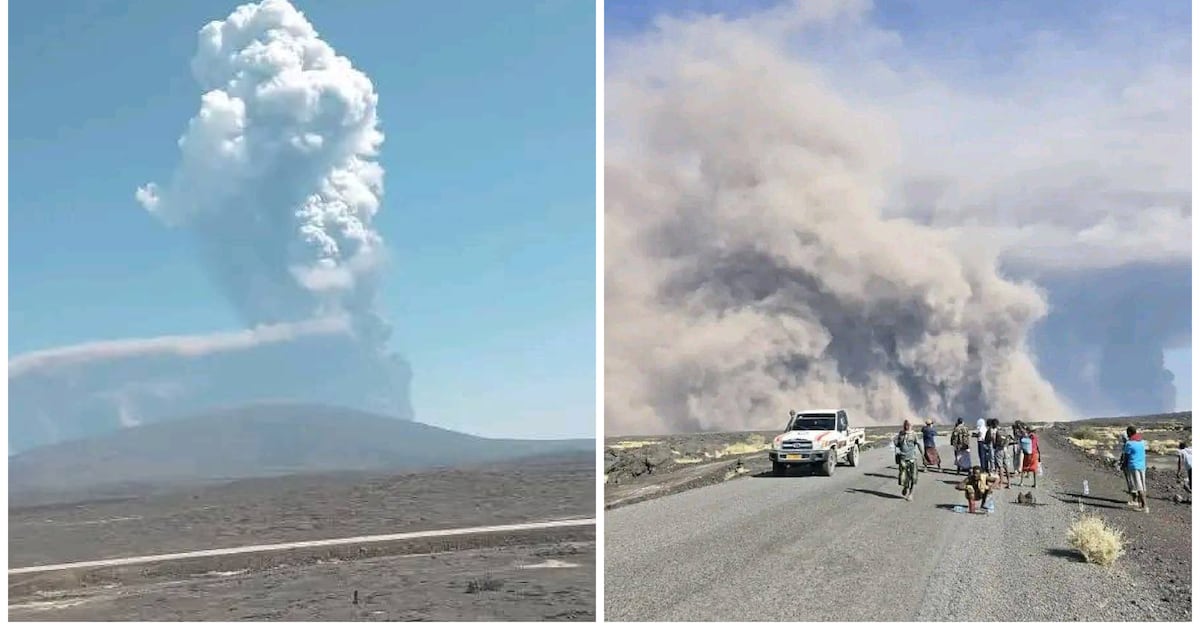
The unexpected eruption blanketed the nearby village of Afdera in ash and dust, leading to stranded tourists and guides, though authorities confirmed no casualties.
Volcanic ash clouds from the eruption have spread extensively across the region, with reports indicating their reach extended to Yemen, Oman, India, and northern Pakistan.
Local administrator Mohammed Seid expressed concerns about the eruption's potential economic impact on the livestock herding community in the geologically active Afar region.
The 500-meter-high volcano's sudden activity, located in the Rift Valley's intense geological zone, poses a significant threat to the livelihoods of local residents.
Analysis
Center-leaning sources cover this story neutrally, focusing on factual reporting of the volcanic eruption and its immediate consequences. They prioritize conveying essential information about the event, its location, and the direct impact on the local community and environment, without employing loaded language or biased emphasis.