Pope Leo XIV's Historic Lebanon Visit Emphasizes Peace, Interfaith Dialogue, and Support for Christians Amidst Regional Turmoil
Pope Leo XIV's historic visit to Lebanon emphasizes peace, interfaith dialogue, and support for the nation's Christian community amidst severe financial crisis and regional conflicts, including a visit to a revered saint's tomb.
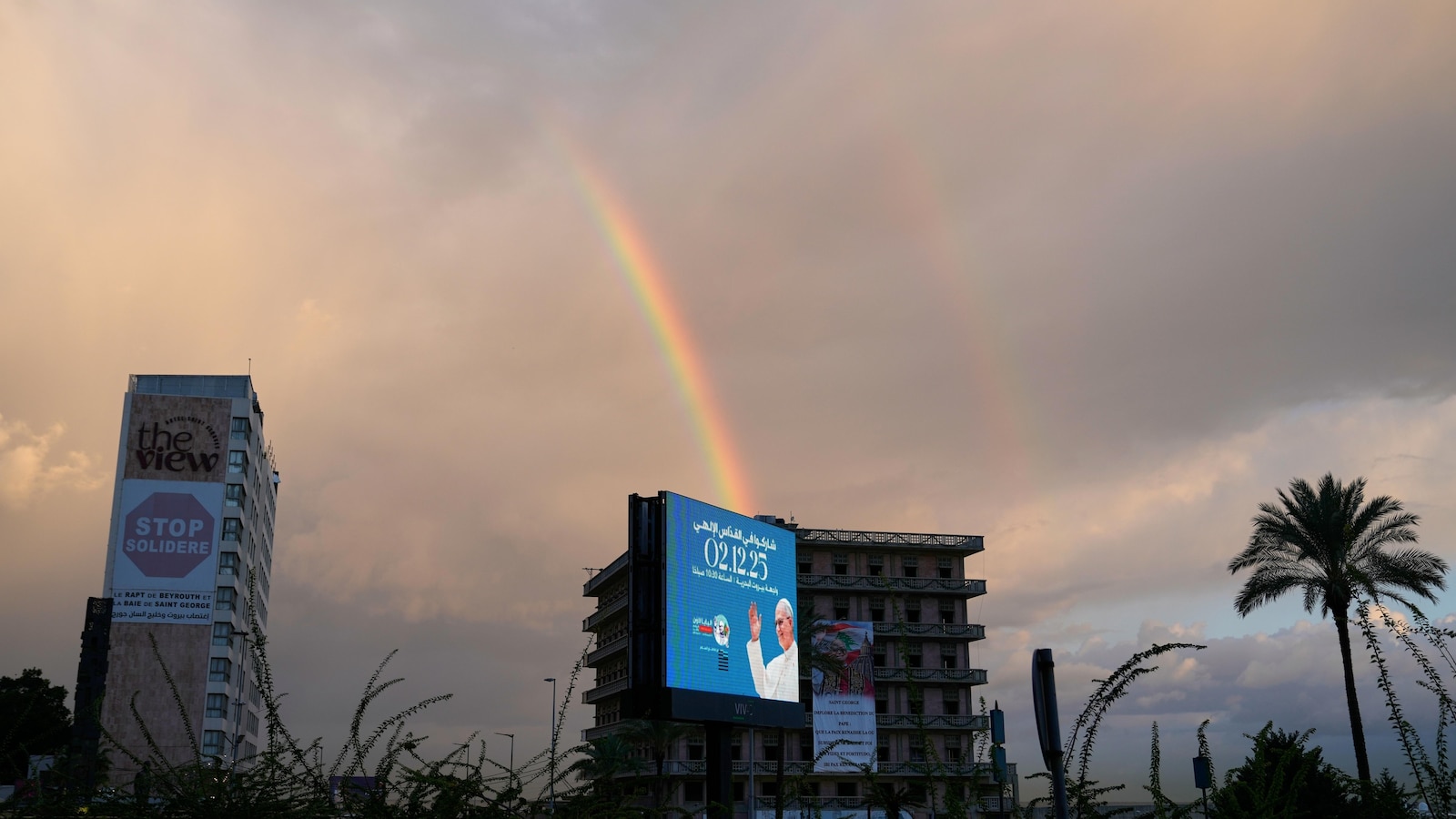
 ABC News
Pope to visit Christian sites in Lebanon; encourages Christians not to abandon region
 Associated Press
Pope Leo XIV's visit highlights Christian resilience in Lebanon despite regional turmoil
 Newsmax
Pope in Lebanon Prays for Peace at Tomb of Saint Revered by Christians and Muslims Alike

 Chicago Tribune
Pope Leo arrives in Lebanon in a bid to bring hope to a war-wracked region
Overview
Pope Leo XIV commenced his maiden international voyage in Turkey on November 27, commemorating the First Council of Nicaea, before arriving in Beirut on Sunday to address Lebanon's pressing challenges.
The Pope's visit aims to deliver a message of hope and peace, supporting Lebanon's Christian community, which constitutes about a third of its population, amidst severe financial collapse and ongoing regional conflicts.
During his historic visit, Pope Leo prayed at the 2020 port explosion site, met victims, and visited St. Charbel Makhlouf's revered tomb, promoting religious coexistence among Christians and Muslims.
The first American pope will engage with Catholic clergy, lead an interfaith gathering with Christian and Muslim leaders, and conclude his day at a Bkerki rally, urging Lebanese youth to remain in the country.
Lebanon, unique for its Christian head of state, faces a deepening humanitarian crisis exacerbated by Hezbollah's escalating war with Israel, underscoring the Vatican's commitment to the region's steadfast Christian communities.
Analysis
Center-leaning sources frame this story by highlighting Lebanon as a unique bastion of Christian resilience and influence in the Middle East, contrasting it with the exodus of Christians elsewhere. They emphasize the historical depth of Christianity, the protective nature of Lebanon's power-sharing system, and the Pope's visit as a validation of this pluralism, portraying Christians as integral to the nation's identity.