President Trump Brokers Historic Congo-Rwanda Peace Deal for Regional Stability and Critical Mineral Access
President Trump brokered a peace deal between Congo and Rwanda in Washington, aiming to end conflict and secure U.S. access to critical minerals, despite ongoing regional instability.
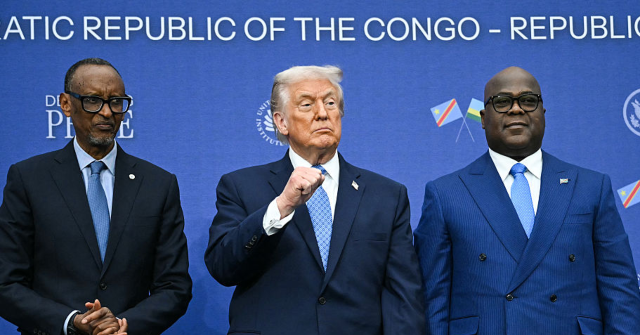
 Breitbart News
Trump Formalizes Historic Peace Agreement Between Democratic Republic of Congo, Republic of Rwanda
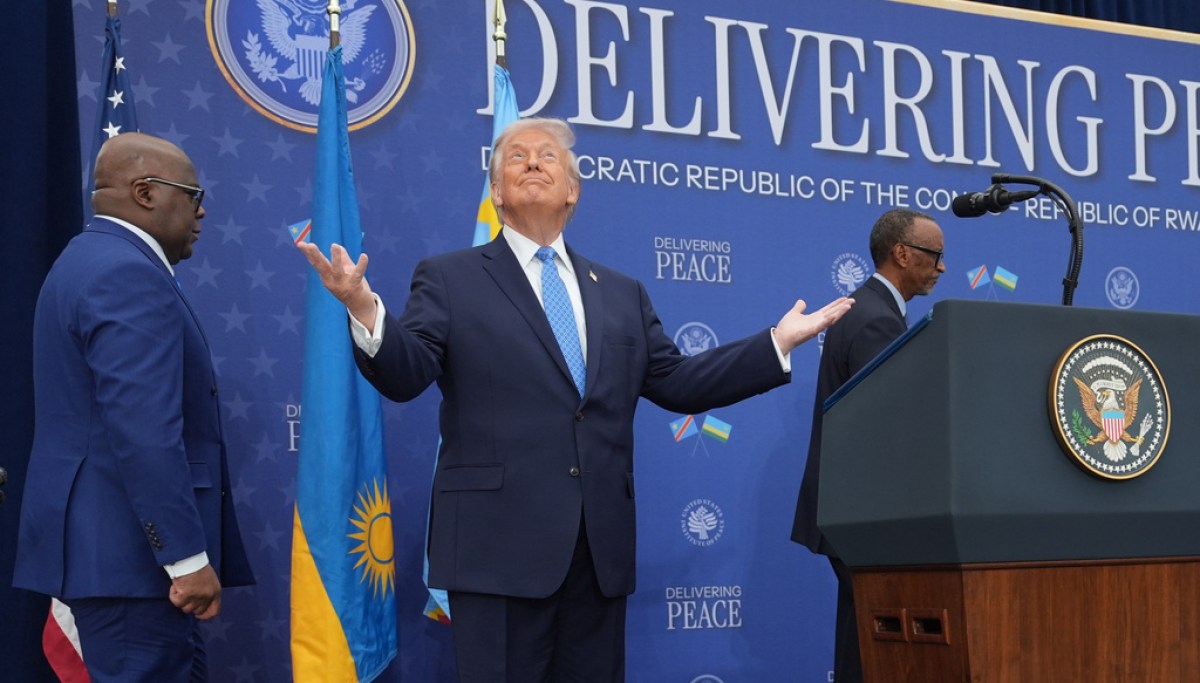
 Washington Examiner
Trump touts Congo-Rwanda peace deal in push to end conflict
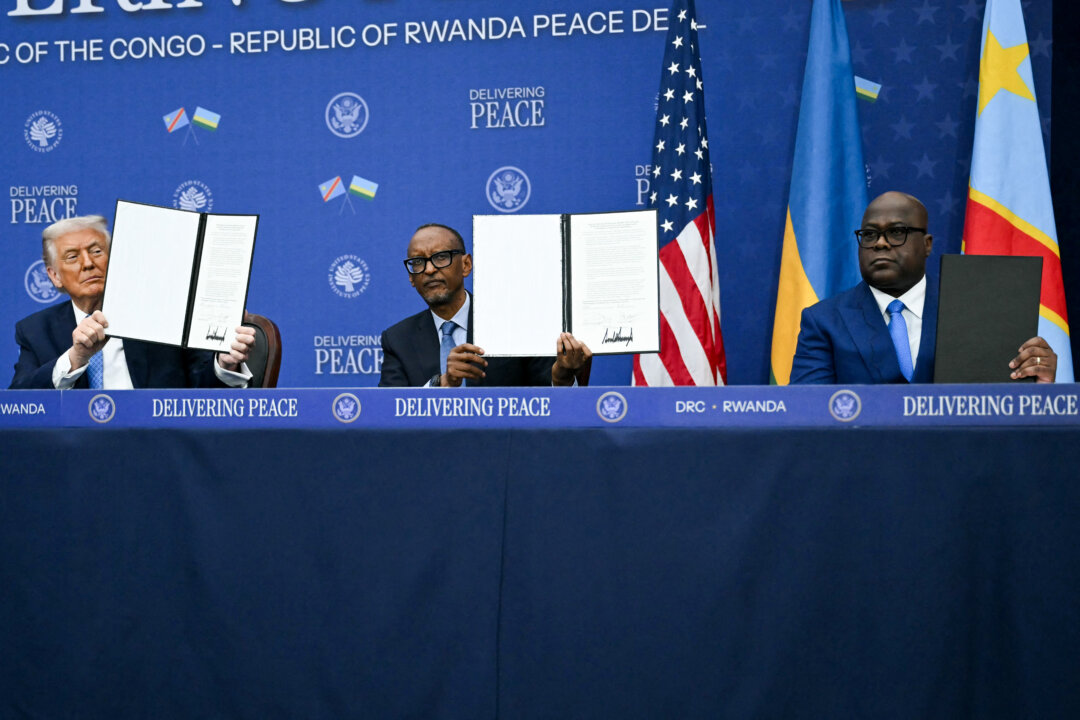
 Epoch Times
Trump Presides Over Peace Signing Between Democratic Republic of Congo and Rwanda
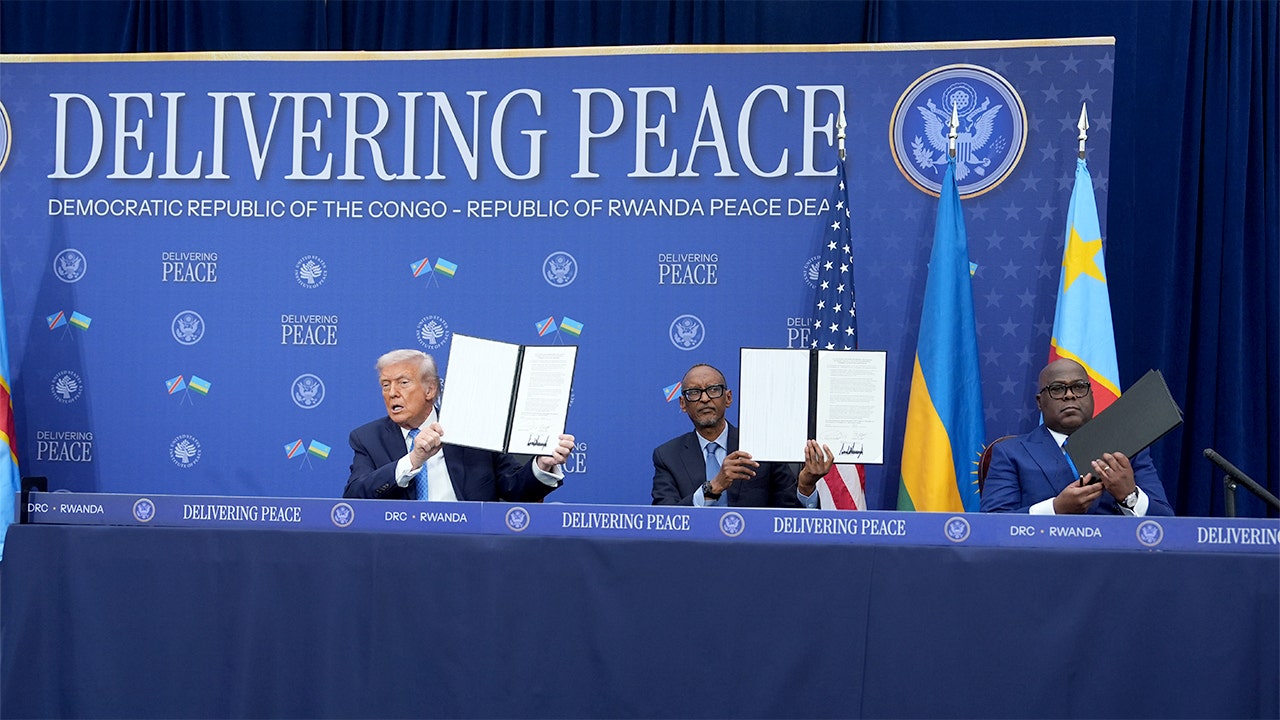
 FOX News
Trump hosts 'Washington Accords' Rwanda-Congo peace deal signing, vows US rare earths purchases
Overview
President Trump facilitated a peace deal between Congo and Rwanda at the newly renamed Donald J. Trump Institute of Peace in Washington, aiming to resolve a prolonged conflict.
The U.S. seeks access to Eastern Congo's critical mineral reserves, vital for technology and defense, to reduce reliance on China, which dominates the global rare earths market.
The conflict, rooted in the 1994 Rwandan genocide, involves over 100 armed groups, notably the Rwanda-supported M23 rebels, who have intensified a humanitarian crisis by capturing key cities.
Despite the peace pact, fighting persists in Eastern Congo, with M23 and Congolese forces accusing each other of ceasefire violations, and U.N. experts reporting Rwandan troops' presence.
Congo demands Rwanda cease M23 support, while Rwanda insists Congo disband Hutu militias, highlighting deep-seated issues that challenge the long-term success of the new agreement.
Analysis
Center-leaning sources frame this story by portraying the peace deal as largely symbolic and premature, overshadowed by ongoing conflict and unfulfilled conditions. They consistently juxtapose the official signing ceremony with reports of continued fighting and expert skepticism, while also highlighting the U.S.'s underlying economic interest in Congo's critical minerals as a key driver for the agreement.