Trump's Ceasefire Deal Advances to Second Phase Amid Ongoing Gaza Violence and Demilitarization Plans
Trump's ceasefire deal advances to its second phase, focusing on Gaza's demilitarization and a temporary Palestinian government, following Ran Gvili's remains return.
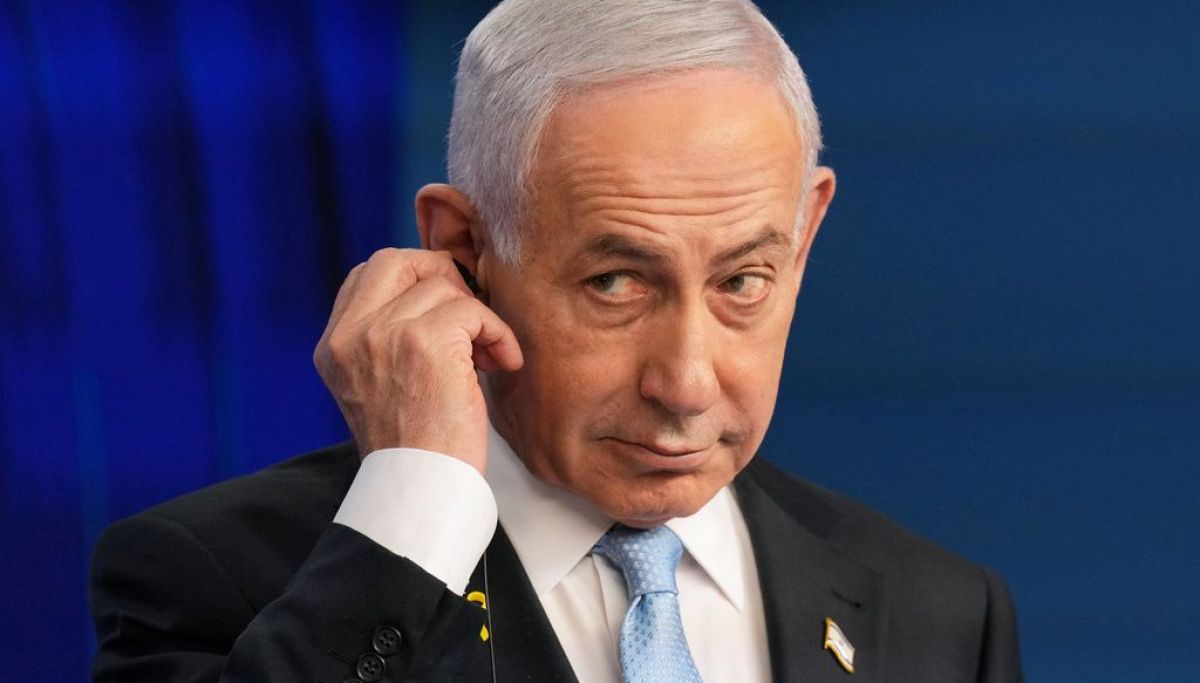
 Washington Examiner
Second phase of Gaza ceasefire to begin 'very shortly': Netanyahu
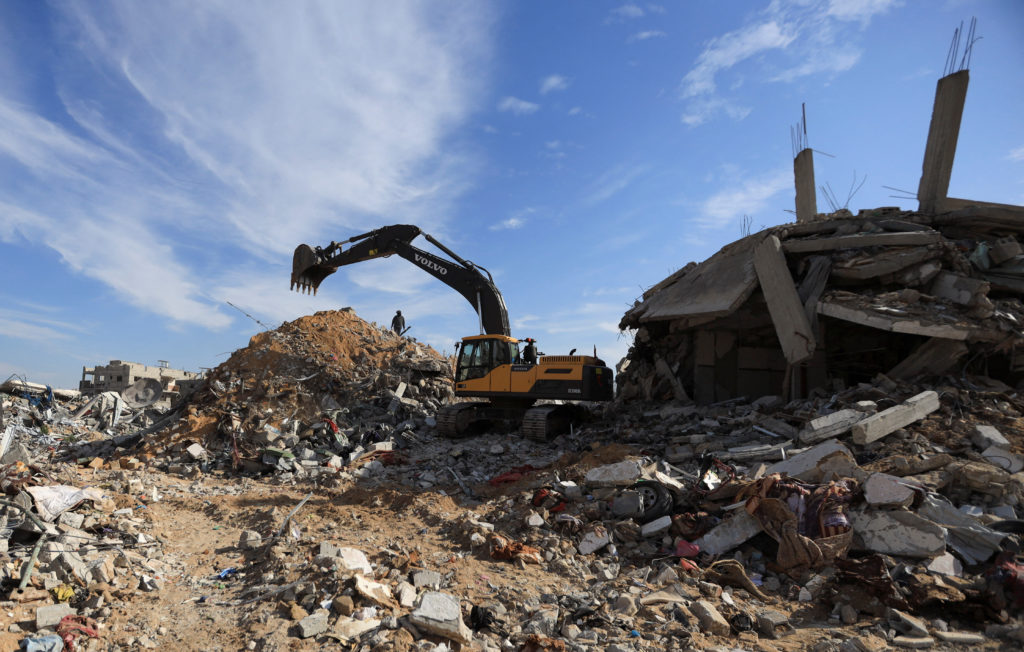
 PBS NewsHour
Netanyahu says Israel and Hamas will soon enter second phase of ceasefire

 Chicago Tribune
Israeli Prime Minister Benjamin Netanyahu says Israel and Hamas will enter ceasefire’s second phase soon
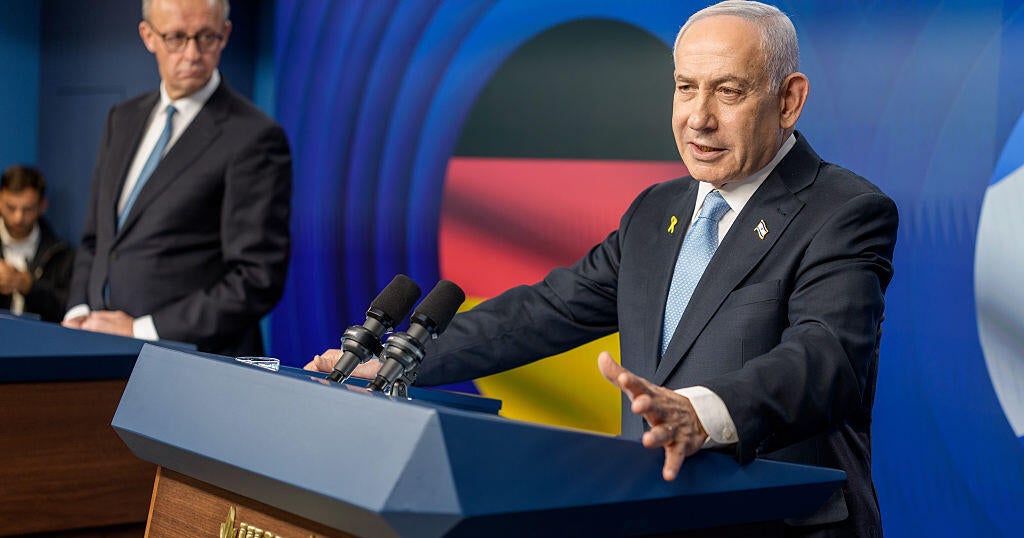
 CBS News
Netanyahu says he expects Gaza ceasefire second phase to begin "very shortly," will meet with Trump this month
Overview
The ceasefire, now in its second month, remains fragile, marked by over 370 Palestinian casualties, including women and children, and three Israeli soldiers killed, highlighting the persistent human cost of the conflict.
The first phase of U.S. President Trump's ceasefire plan concluded with Hamas returning Ran Gvili's remains, marking the end of the initial conflict phase that began on October 7, 2023.
The second phase of Trump's deal outlines Gaza's demilitarization, disarming Hamas, and establishing a temporary Palestinian government under international supervision, led by President Trump himself.
Prime Minister Netanyahu supports demilitarization and Hamas disarmament by month's end but firmly opposes a Palestinian state, fearing it would empower Hamas near Israel's borders.
Despite progress, mutual violations persist, with Israel threatening action over unreturned remains, while Prime Minister Netanyahu navigates international pressure, including concerns over an ICC warrant.
Analysis
Center-leaning sources frame this story by consistently using strong, evaluative language like "Hamas-led terrorists" for the Oct 7 attack, contrasting with more neutral terms for Israeli actions. They prioritize Israeli demands, particularly the return of Ran Gvili's remains, as a key hurdle for the ceasefire's second phase, while also presenting international challenges to the plan.