Japan Plans Restart of World's Largest Nuclear Plant, Signaling Post-Fukushima Energy Shift
Japan plans to restart the Kashiwazaki-Kariwa nuclear plant, the world's largest, marking a significant return to nuclear energy nearly 15 years after the Fukushima disaster.



Overview
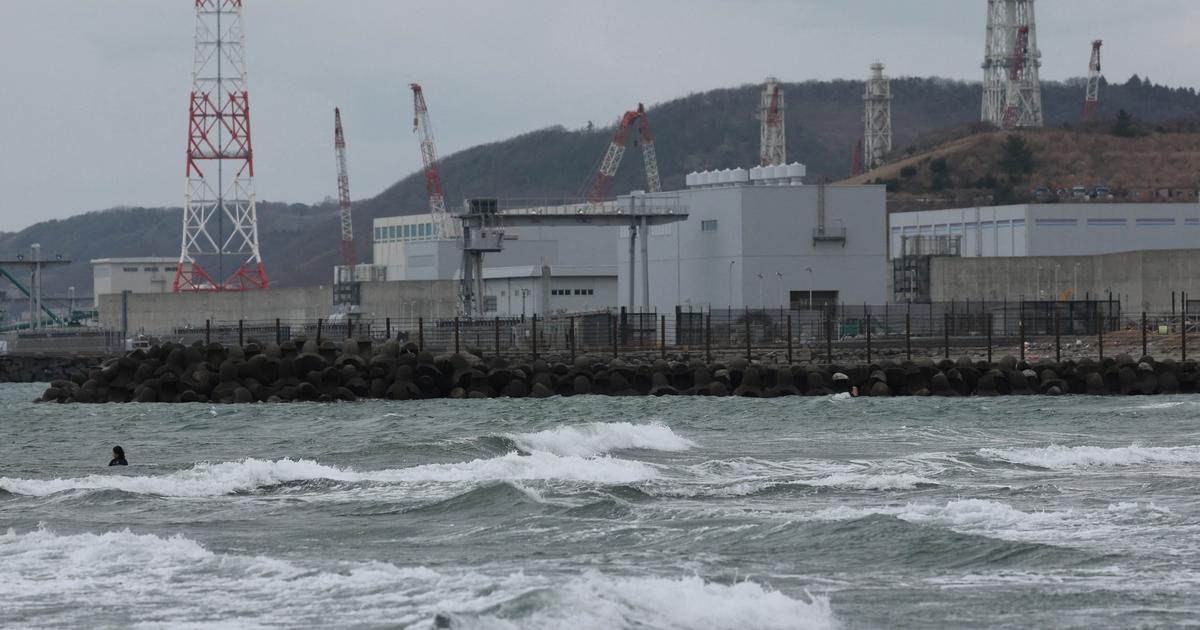
Japan is planning to restart the Kashiwazaki-Kariwa nuclear power plant, which is recognized as the world's largest nuclear facility, indicating a major energy policy shift.
This move signals Japan's significant return to nuclear energy production, nearly 15 years after the devastating 2011 earthquake and tsunami led to the Fukushima disaster.
The Kashiwazaki-Kariwa plant was among 54 reactors nationwide that were shut down following the catastrophic events of 2011, impacting Japan's energy landscape.
The Fukushima nuclear disaster prompted a widespread global reevaluation of nuclear safety and led to a significant shift away from nuclear power generation worldwide.
Japan's decision to reactivate the plant reflects a renewed national strategy towards nuclear power, potentially driven by energy security needs or decarbonization goals.
Analysis
Center-leaning sources frame the story as a positive "global nuclear renaissance," driven by demand for reliable clean energy and technological advancements. They emphasize the economic viability of new reactors and their role in powering future needs like AI data centers, while downplaying potential concerns or opposition.