Trump-Backed Ukraine Peace Plan Faces Russian Resistance Over Territory and Nuclear Plant Management
A US-backed 20-point peace plan for Ukraine, unveiled by Zelenskyy, faces Russian resistance over territorial demands and Zaporizhzhia plant management, despite concessions and proposed economic zones.

 Boston Herald
US and Ukraine reach consensus on key issues aimed at ending the war but territorial disputes remain

 Chicago Tribune
US and Ukraine reach consensus on key issues aimed at ending the war but territorial disputes remain

 Al Jazeera
Zelenskyy unveils details of new peace plan, seeks Trump talks on territory
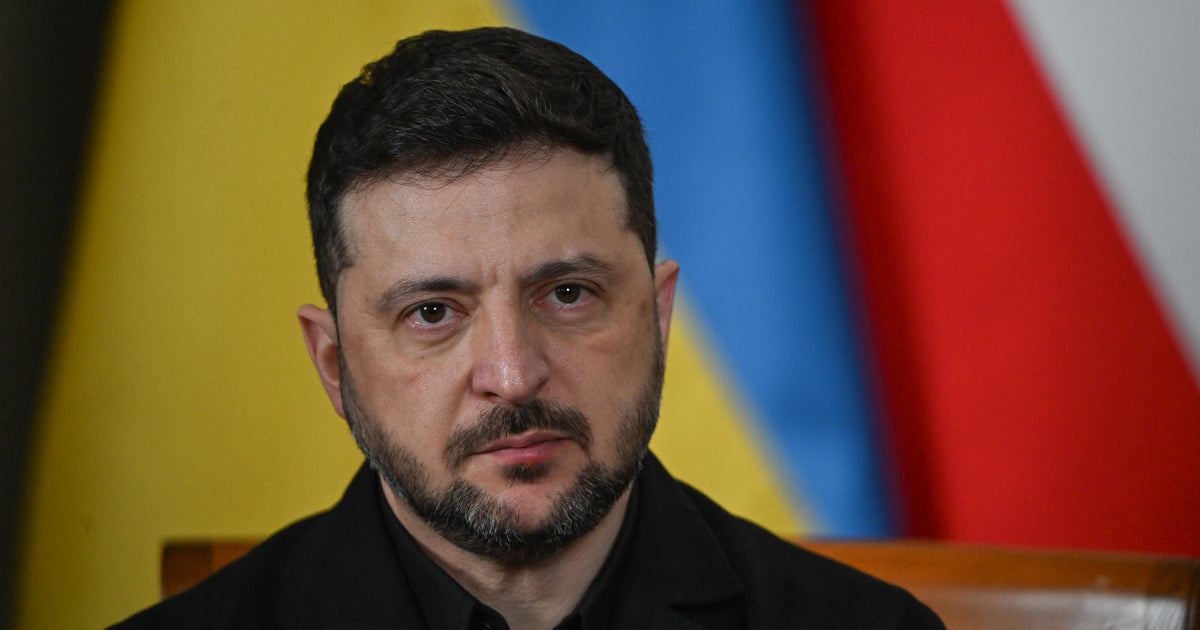
 CBS News
Ukraine peace plan might include demilitarized zones, Zelenskyy says
Overview
Ukrainian President Zelenskyy unveiled a 20-point peace plan, developed with US backing, following extensive talks, with Russia's official response anticipated Wednesday after an embargoed briefing.
The plan addresses the contentious Donbas territorial dispute, where Russia demands cession, but Ukraine rejects this, proposing free economic zones in contested areas, subject to a national referendum.
Key security provisions include Russian troop withdrawal from Ukrainian regions, an 800,000-strong Ukrainian army, and a ceasefire monitoring mechanism utilizing satellite technology for rapid response.
The Zaporizhzhia nuclear plant remains a major sticking point; the US suggests joint operation, while Ukraine proposes a demilitarized free economic zone in Enerhodar and a US-Ukraine joint venture.
Ukraine seeks $800 billion for reconstruction, privileged European market access, and an expedited US free trade agreement, alongside mandating post-agreement elections and the release of all prisoners.
Analysis
Center-leaning sources cover this story neutrally by focusing on factual reporting of the ongoing negotiations between the U.S. and Ukraine, as detailed by President Zelenskyy. They present the various proposals and points of contention without editorializing, allowing the reader to understand the complexities of the peace talks. The reporting prioritizes clarity and direct communication of official statements.