Israel Recognizes Somaliland, Prompting U.N. Criticism and U.S. Non-Condemnation
Israel recognized Somaliland’s independence, breaking decades of nonrecognition; UNSC members condemned the move, while the US abstained, citing unchanged regional positions and concerns.
 Epoch Times
Israel Defends Recognition of Somaliland at UN Amid Criticism From Regional States

 Al Jazeera
Somalis rally against Israel’s world-first recognition of Somaliland
 Al Jazeera
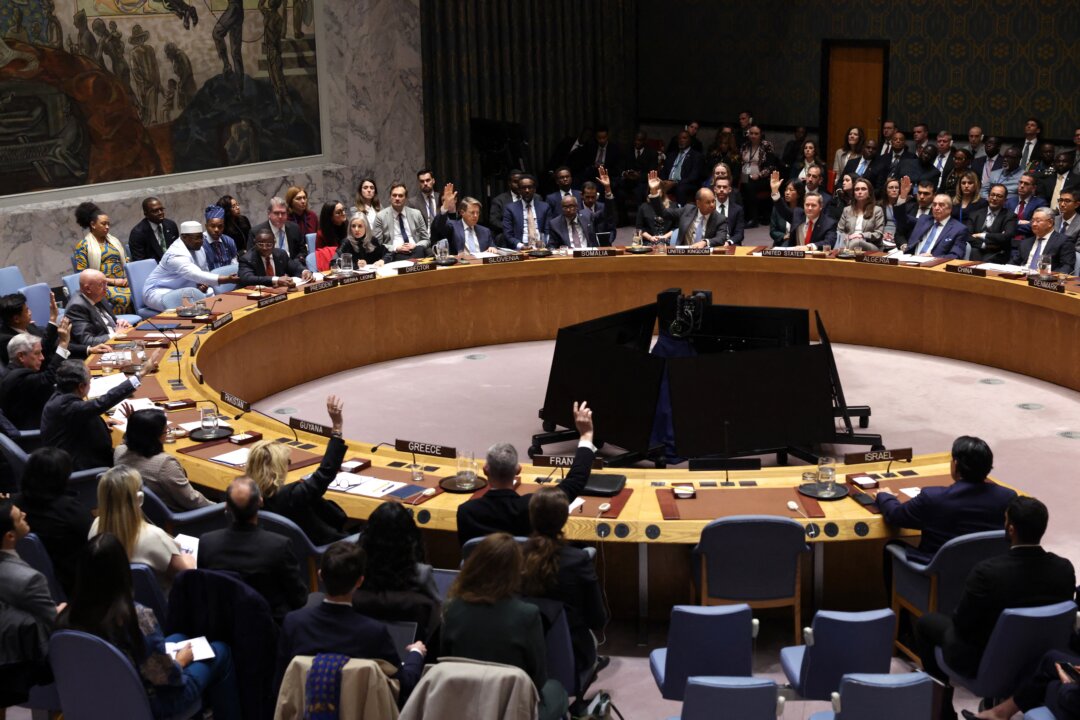
UN Security Council members condemn Israel’s recognition of Somaliland
 Al Jazeera
At UN, Somalia slams Israel’s Somaliland recognition as ‘threat’ to peace
Overview
Who and what: Israel officially recognized the Republic of Somaliland as sovereign, marking the first formal state recognition since Somaliland's 1991 self-declared independence from Somalia.
Where and how: Somaliland, in the Horn of Africa, operates autonomously with its own currency, passport, and military; Israel's diplomatic act aligns with Abraham Accords normalization efforts.
When and context: Somaliland declared independence after the 1991 civil war that toppled Siad Barre; Israel's recognition occurred more than three decades after that declaration.
International reaction: Several U.N. Security Council members criticized Israel's move, warning of serious implications for Palestinians in Gaza and potential regional diplomatic fallout.
U.S. stance: At a U.N. meeting the United States did not condemn Israel's recognition, remaining publicly unchanged on Somaliland while other members expressed concern and opposition.
Analysis
Center-leaning sources frame the story by emphasizing the geopolitical implications of Israel's recognition of Somaliland. They highlight strategic interests, such as countering Iran's influence and securing allies in the Red Sea region, while presenting a balanced view by including criticisms from Somalia and other nations. The narrative is structured to show the complexity of international relations, using neutral language and diverse perspectives to maintain objectivity.