Investigation Finds No Terrorist Cell Link in Bondi Hanukkah Massacre
Investigators found no evidence linking alleged Bondi Beach shooters Sajid and Naveed Akram to a broader terrorist cell; authorities say they acted independently or abroad.
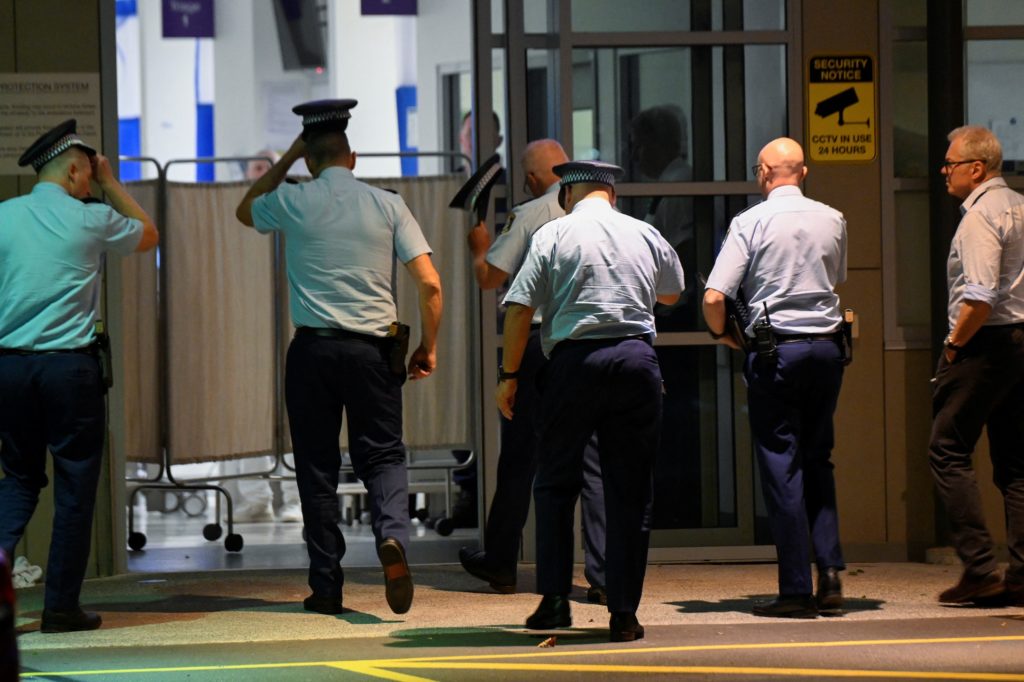
 PBS NewsHour
Police investigation of Bondi Beach antisemitic shooting finds no evidence of 'broader terrorist cell'
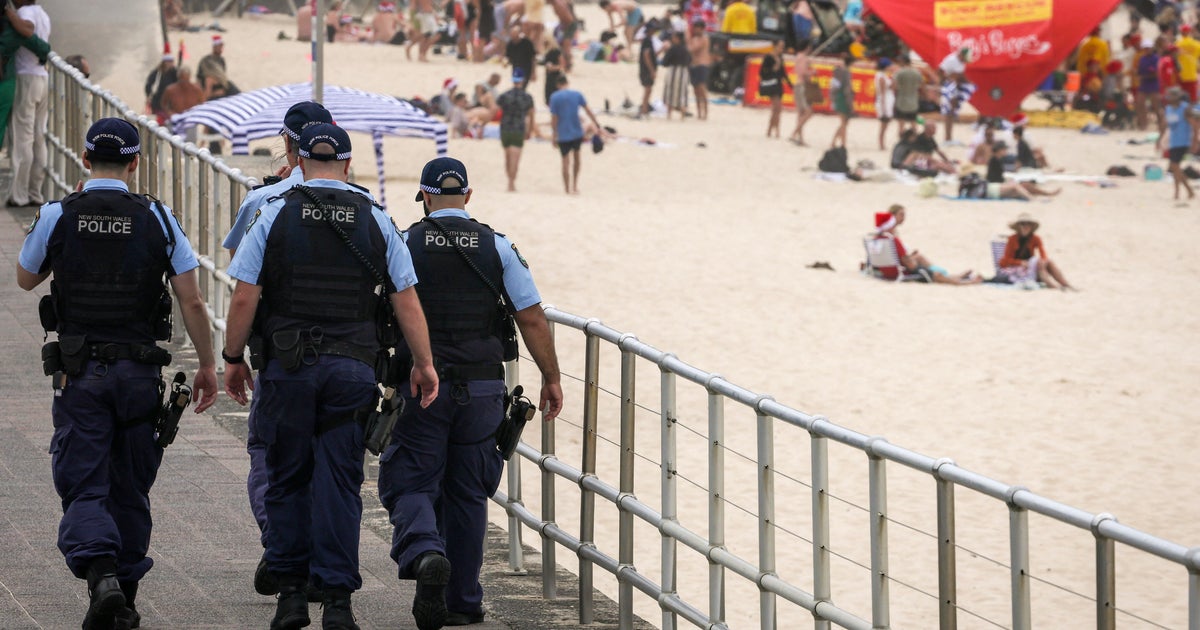
 CBS News
Bondi Beach attack probe yields no evidence of "broader terrorist cell," police say
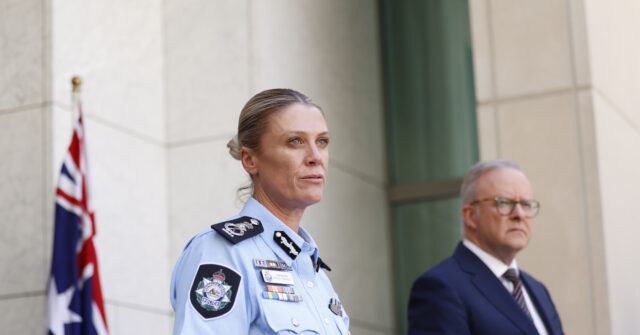
 Breitbart News
Police Say No Broader Terrorist Involvement in Islamist Bondi Beach Attack

 CNN
CNNAlleged Bondi gunmen did not train in the Philippines and acted alone, police say
Overview
Alleged shooters Sajid Akram and son Naveed are accused of a Bondi Beach Hanukkah festival mass shooting that killed 15 and injured about 40 attendees.
Australian Federal Police Commissioner Krissy Barrett said the pair spent most of November in Davao City and returned from Manila on November 29; investigators found no terrorist cell link.
Authorities, including the prime minister, say the attackers were motivated by the Islamic State, but investigators found no evidence of external direction or training from Philippines-based militant groups.
Police fatally shot one suspect and wounded another during the Dec. 14 Bondi gunfight; two officers were injured and officers, armed only with Glocks, were reportedly outgunned.
Sydney will deploy more than 2,500 officers for New Year's Eve security; the Harbour Bridge will feature a minute of silence and menorah projections at 11 p.m. honoring Bondi victims.
Analysis
Center-leaning sources frame the Bondi Beach attack story by emphasizing the lack of evidence for a broader terrorist cell, focusing on the isolated nature of the incident. Language choices like "acted alone" and "no evidence" highlight the absence of a larger network, while source selection prioritizes official statements from police and government officials, underscoring a narrative of isolated extremism rather than organized terrorism.