Mali and Burkina Faso Impose Reciprocal Bans on U.S. Nationals After U.S. Expands Travel Restrictions
Mali and Burkina Faso banned U.S. nationals in this reciprocal response to expanded U.S. travel restrictions, citing sovereignty; U.S. cited security deterioration and armed-group attacks.





Overview
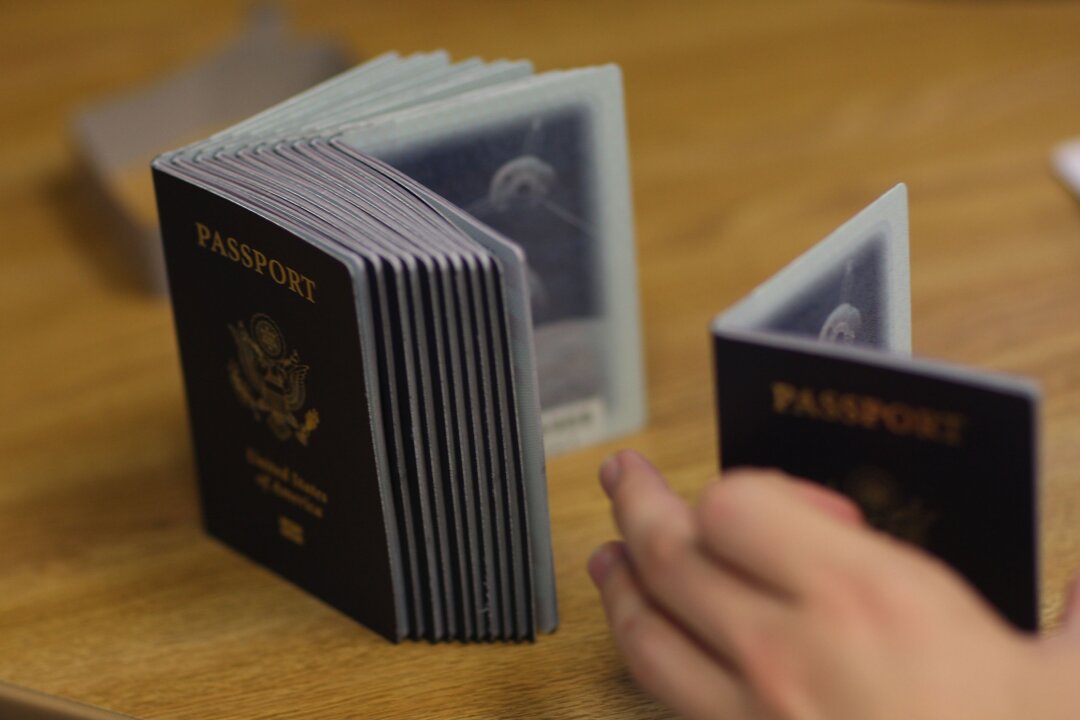
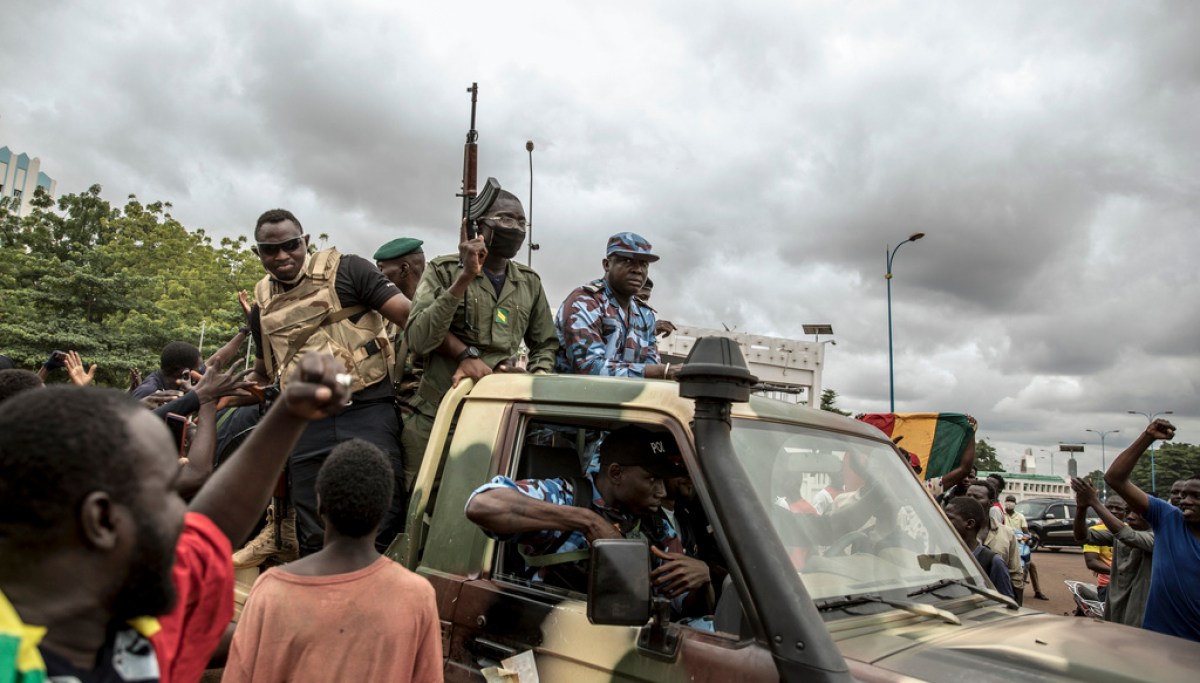
Mali and Burkina Faso, both governed by military juntas, announced bans barring U.S. nationals from entry as reciprocal measures following Washington's expanded travel restrictions.
The announcements followed the White House's expansion of U.S. travel restrictions to 20 countries, including Mali, Burkina Faso, and Niger, heightening regional diplomatic tensions.
U.S. officials said deteriorating security and sustained armed-group attacks motivated expanded restrictions; Mali and Burkina Faso cited sovereignty and equal treatment in justifying reciprocal bans.
Both countries' military governments pledged to fight Islamist armed groups after overthrowing civilian governments amid rising violence and instability across parts of West Africa.
Reciprocal bans could further strain U.S.-West African relations, complicate security cooperation against armed groups, and affect citizens' travel and diplomatic ties going forward.
Analysis
Center-leaning sources frame the story by emphasizing the principle of reciprocity and the diplomatic tensions between the U.S. and West African countries. They highlight the retaliatory nature of the travel bans, using terms like "tit-for-tat" and "retaliation," while providing context on the strained relations and security concerns. This framing underscores the geopolitical dynamics without overtly taking sides.