Head-on Collision Between PeruRail and Inca Rail Near Machu Picchu Kills One, Injures Dozens
A head-on collision between PeruRail and Inca Rail near Machu Picchu killed one and injured up to 40 tourists; investigations and services between Cuzco halted.
 Epoch Times
Train Crash on Line to Peru’s Famed Machu Picchu Kills 1 Person, Injures at Least 30
 CBS News
Head-on train collision near Peru's Machu Picchu kills at least 1, injures 40

 ABC News
A train crash on the line to Peru's famed Machu Picchu kills 1 person and injures at least 30
 FOX News
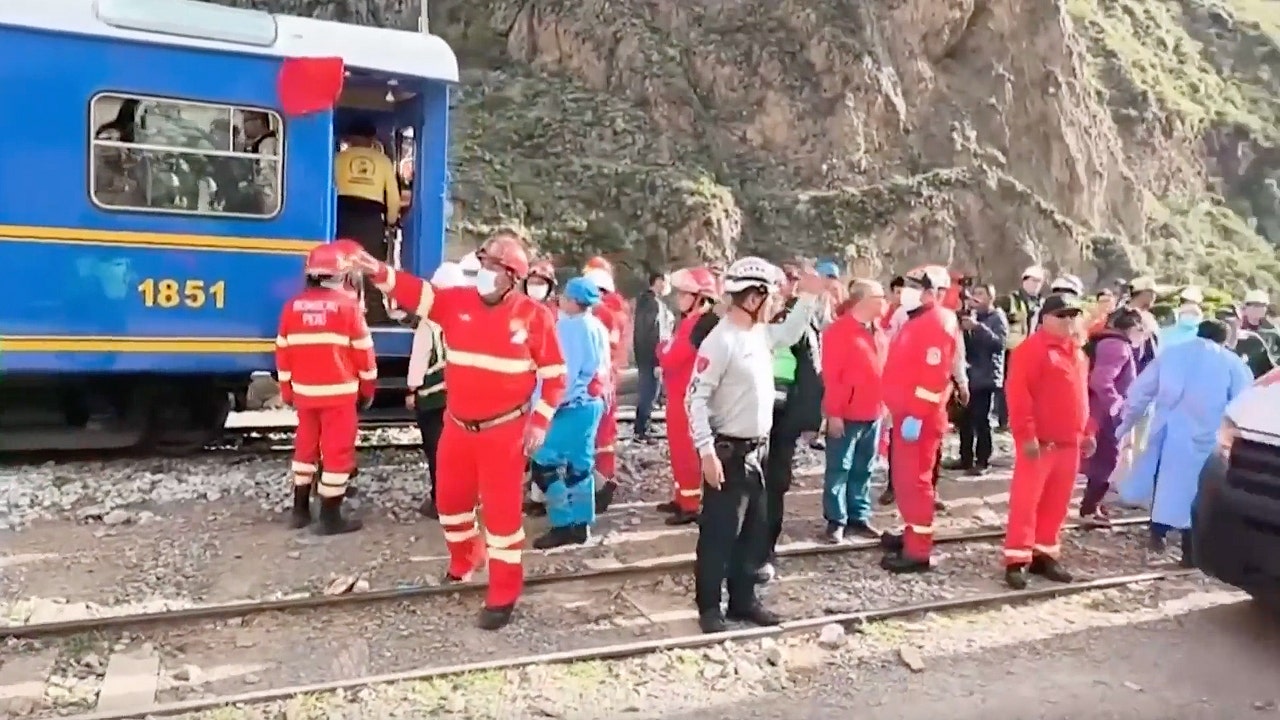
US citizens injured in Peru train collision near world-famous Machu Picchu tourist destination
Overview
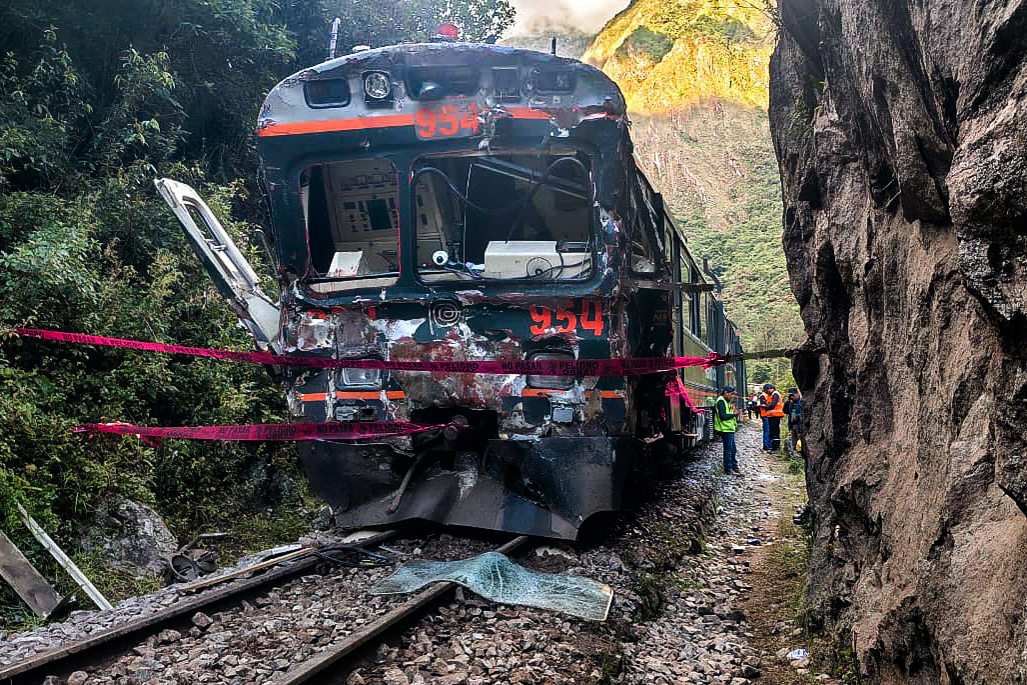
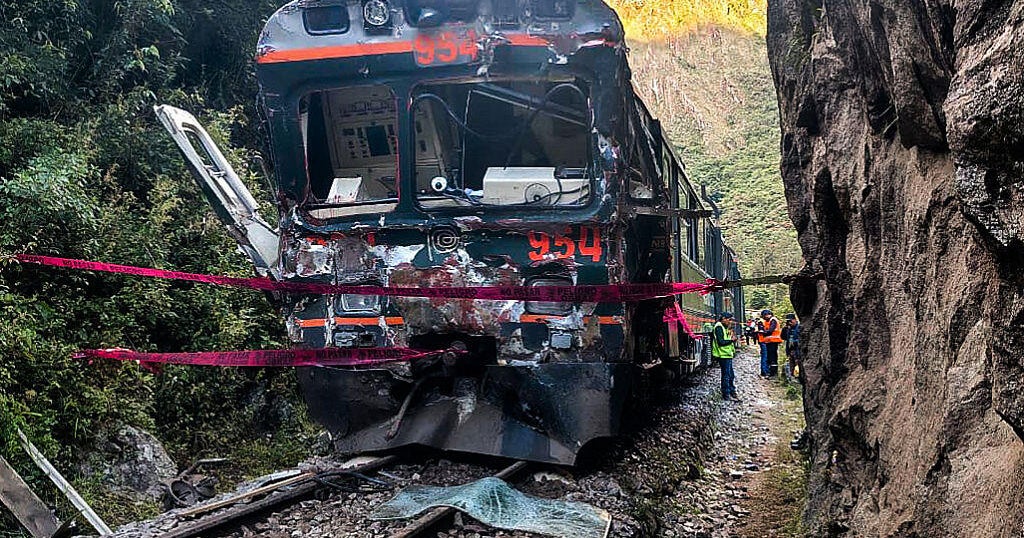
Two passenger trains operated by PeruRail and Inca Rail collided head-on near Qoriwayrachina between Ollantaytambo and Machu Picchu early afternoon, according to Ferrocarril Transandino and local officials.
One conductor was killed and up to 40 tourists injured, including U.S. citizens confirmed injured by the U.S. embassy; authorities have not released full casualty details.
The cause remains unknown; prosecutors and investigators have not released details while emergency teams respond at the remote Andean site lacking direct road access.
Railway services between Machu Picchu and Cuzco were suspended, stranding visitors and adding strain to tourism already affected by political and management disruptions.
Machu Picchu, the 15th-century Inca citadel built by Pachacutec in the Peruvian Andes, remains a modern wonder; alternative access includes a four-day trek from Ollantaytambo.
Analysis
Center-leaning sources frame the Machu Picchu train crash story by emphasizing the tragic human impact and logistical challenges. Language choices like "hampered" and "serious condition" highlight the severity, while source selection prioritizes official statements and local media reports. Structural choices focus on the immediate aftermath and broader context of tourism disputes, creating a narrative of both tragedy and systemic issues.