Widespread Iranian Protests Intensify Amid Economic Collapse, Nuclear Tensions, and Deadly Crackdowns
Iran faces its largest protests since 2022, fueled by economic collapse, deadly security crackdowns, nuclear tensions, and regional military fallout, spreading across dozens of provinces.
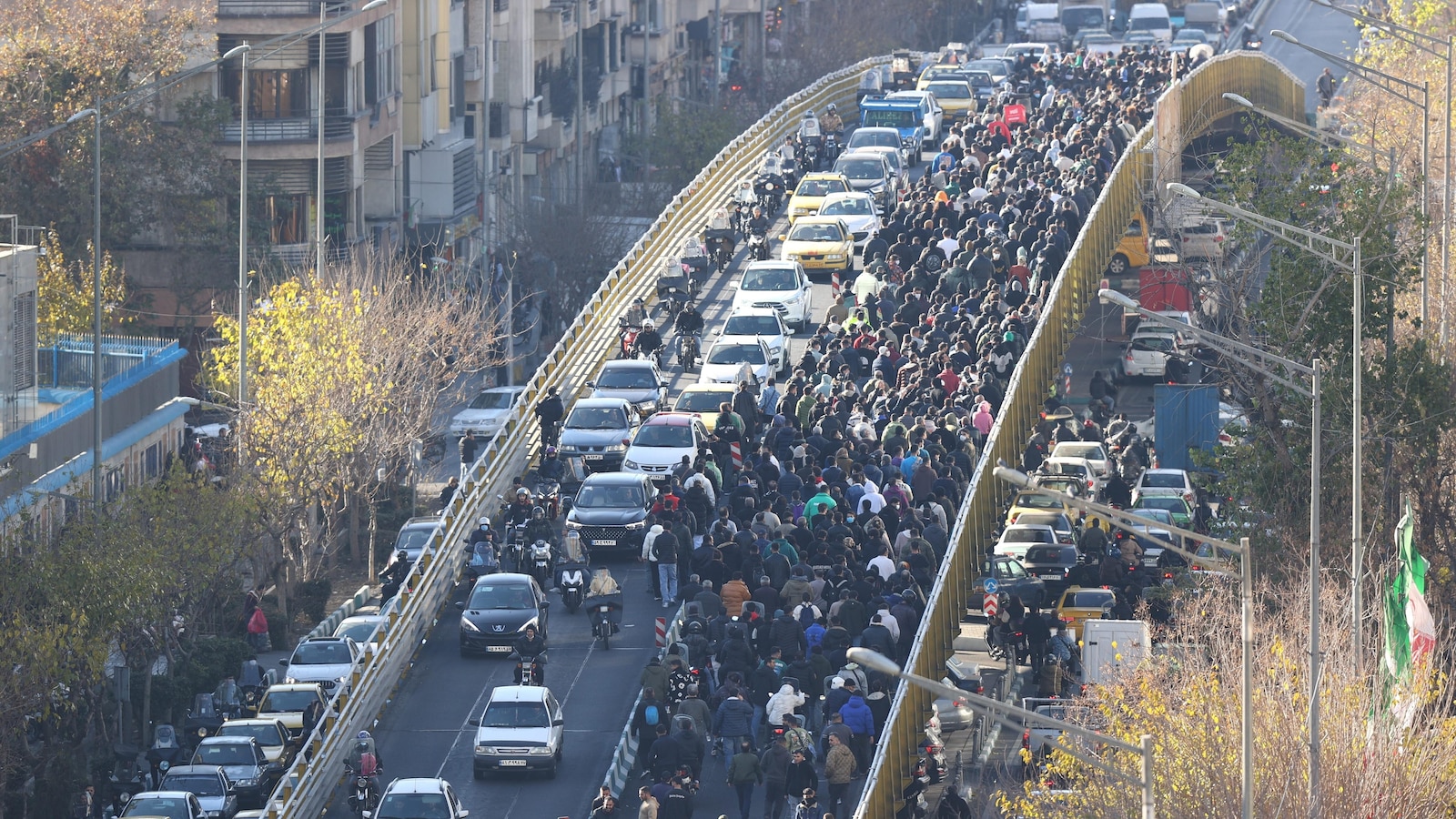
 ABC News
What to know about the protests now shaking Iran as tensions remain high over its nuclear program
 Associated Press
What to know about the protests now shaking Iran as tensions remain high over its nuclear program
Associated PressWhat to know about the protests now shaking Iran as tensions remain high over its nuclear program
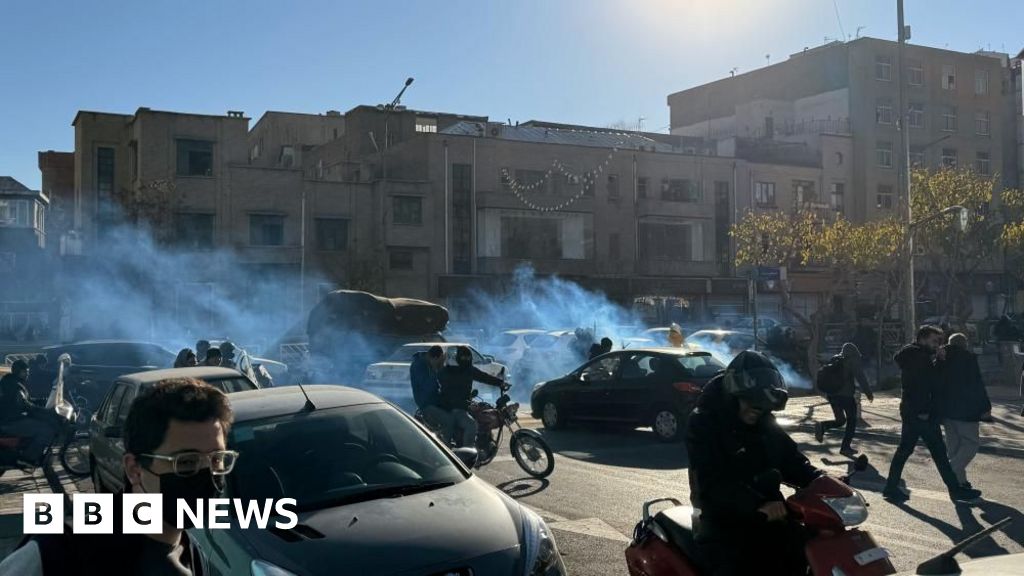
 BBC News
Trump intervention warning over Iran protests 'reckless' says foreign minister
Overview
Protests have erupted across 100–170 locations in more than 22–25 provinces, initially sparked by rial devaluation and rising food prices, expanding into broad anti-government demonstrations.
Security forces, including Basij and IRGC, have violently cracked down; independent reports cite at least 15 dead and over 580 arrests amid disputed official fatality counts.
Tehran halted uranium enrichment at certain sites to signal negotiating intent, while the IAEA warns Iran could rapidly weaponize its program if chosen, amid reduced cooperation.
Recent military engagements—with Israel, U.S. strikes on nuclear sites, and regional shifts in Syria, Lebanon and Yemen—have deepened Tehran's economic strain and political isolation.
President Trump warned of intervention if protesters are harmed; state media underreports events while journalists face restrictions, hampering independent verification and human rights monitoring.
Analysis
Center-leaning sources frame the story by emphasizing the economic and geopolitical pressures on Iran, highlighting the protests as a response to these challenges. Language choices like "ailing economy" and "widening protests" suggest a narrative of systemic instability. The focus on U.S. and Israeli actions, alongside Iran's nuclear ambitions, underscores a complex international dynamic, while the structural choice to detail historical tensions adds depth to the current unrest.