Delcy Rodríguez Sworn In as Venezuela’s Interim President After Maduro’s U.S. Capture; Trump Issues Warning
Delcy Rodríguez was sworn in as interim president after U.S. forces captured Nicolás Maduro; backed by Venezuela's military, she faces U.S. pressure and security tensions.

 Al Jazeera
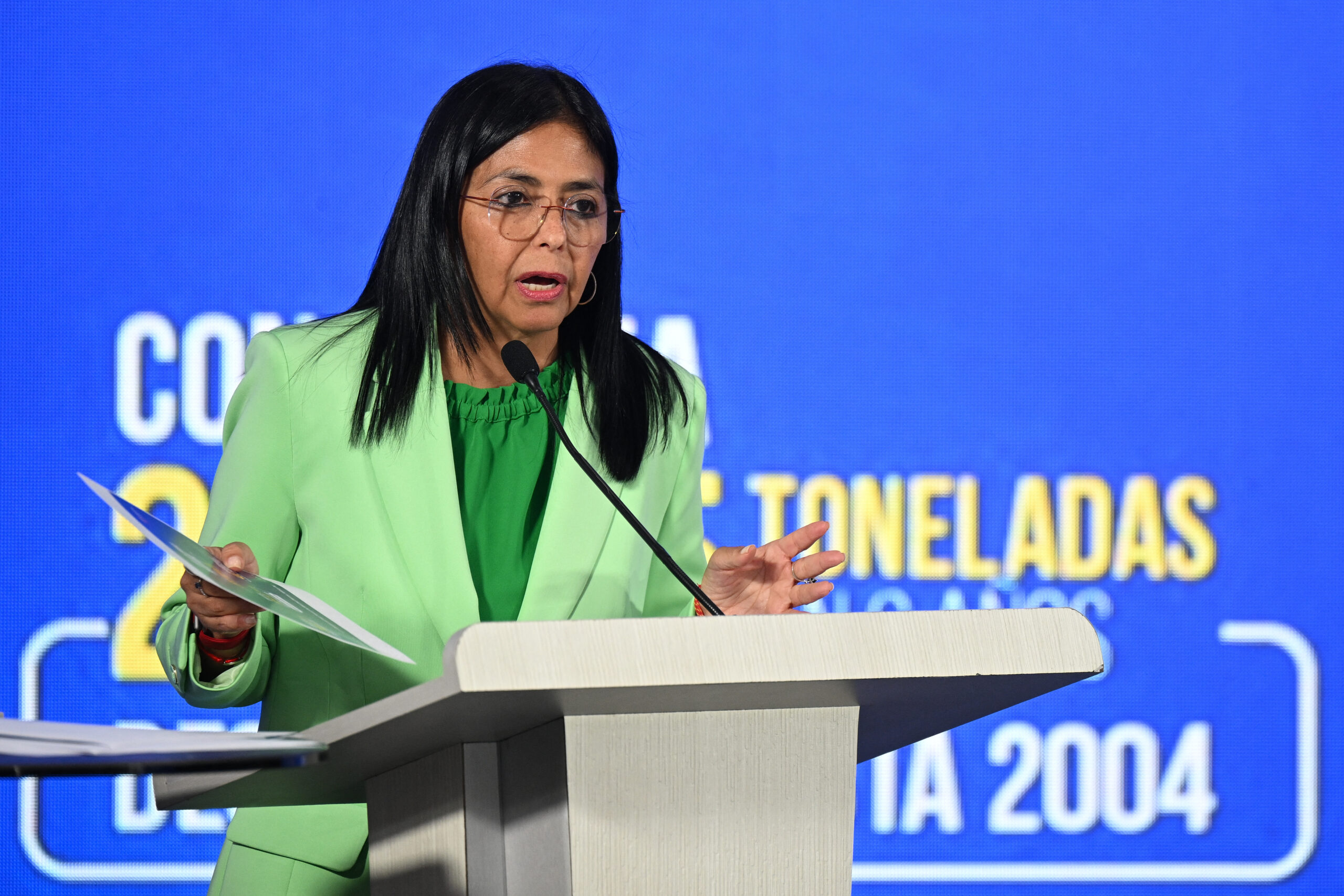
Delcy Rodriguez sworn in as Venezuela’s president after Maduro abduction
 The American Conservative
Acting Venezuelan President Says Country Wants to Cooperate With the U.S.

 NPR
NPRVenezuela swears in interim leader, seeking to show it operates free from U.S. control
 NBC News
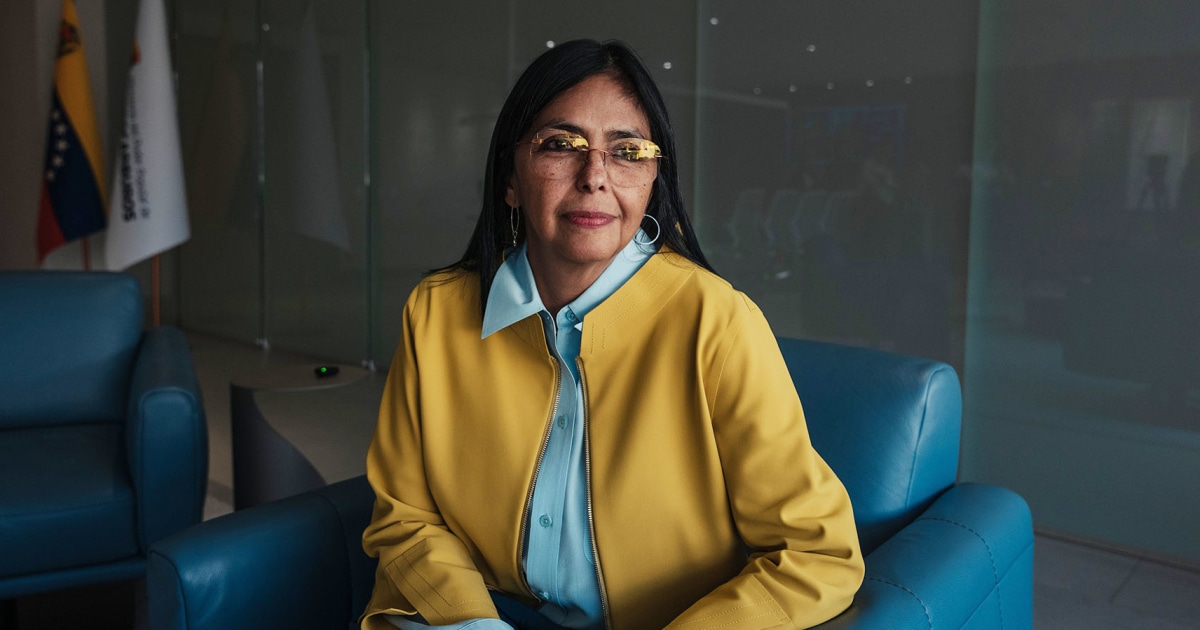
Who is Delcy Rodríguez, Venezuela's interim leader after the capture of Nicolás Maduro?
Overview
U.S. forces detained President Nicolás Maduro overnight and transported him to New York to face federal drug charges, prompting immediate regional alarm and legal scrutiny.
Venezuela’s Supreme Court named Delcy Rodríguez interim president after Maduro’s capture; she was sworn in and is bolstered by the country's military backing her leadership.
Rodríguez, born in Caracas on May 18, 1969, rose from lower-level roles under Chávez to prominence under Maduro, previously opposing foreign intervention and defending national resources.
Former sanctions targeted Rodríguez and her siblings for alleged democratic undermining during Trump’s first term; she reportedly avoided U.S. criminal charges but now seeks U.S. development collaboration.
President Trump warned Rodríguez of severe consequences if she resists U.S. priorities on policy reforms and oil access, suggesting a fate potentially worse than Maduro’s capture; Colombia increased border troops.
Analysis
Center-leaning sources frame the story of Delcy Rodríguez's rise to interim leadership in Venezuela with a focus on her complex political background and the geopolitical implications. They highlight her ties to both the Maduro regime and the U.S., using terms like "gracious" and "antagonistic" to describe her interactions with the Trump administration. The coverage emphasizes her strategic positioning within Venezuela's power structure, suggesting a narrative of cautious diplomacy and potential collaboration with the U.S. while maintaining her revolutionary credentials.