Craig, Amboseli’s 'Super Tusker,' Dies of Natural Causes
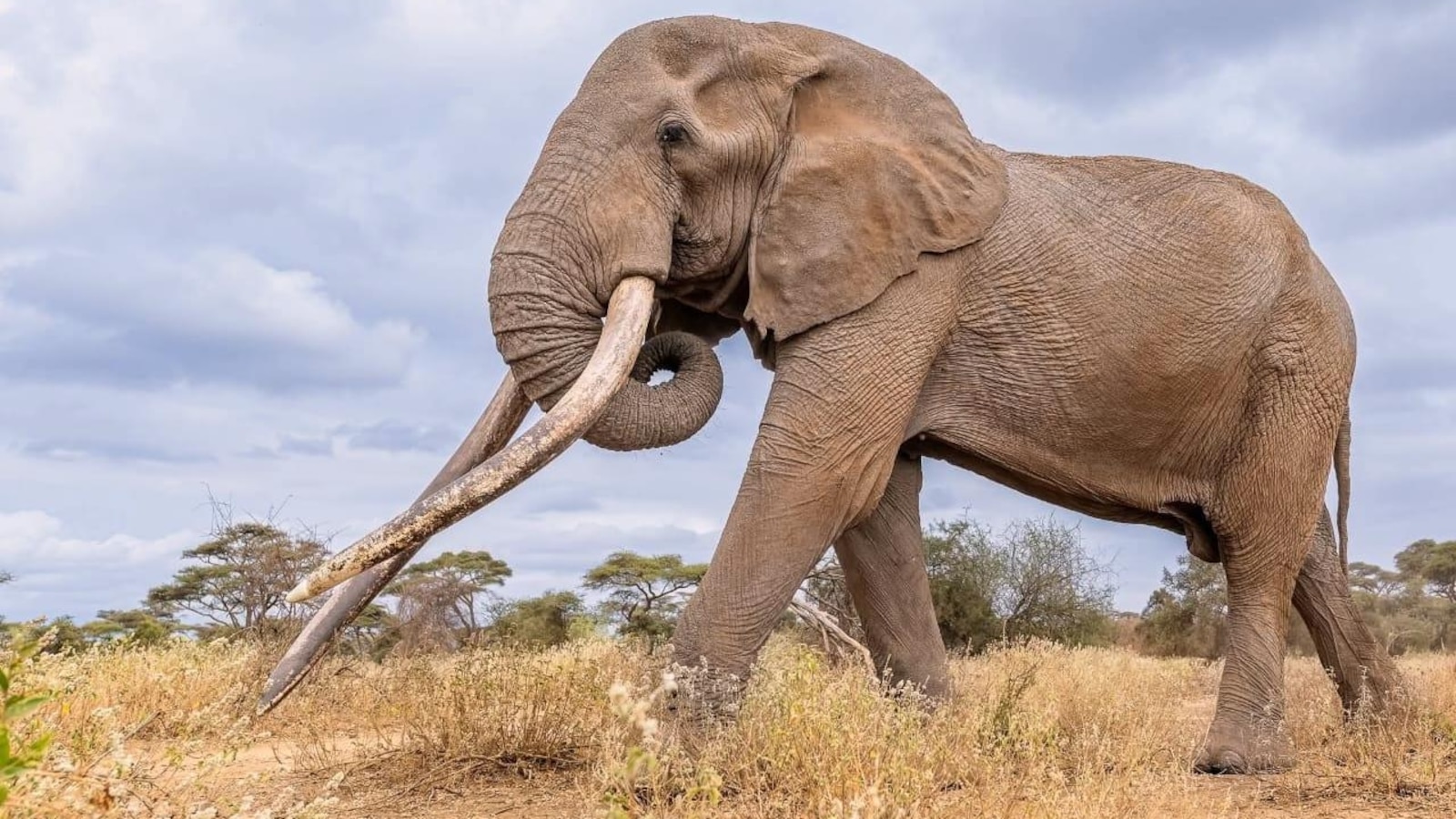
Craig, a celebrated Amboseli 'super tusker,' died of natural causes Saturday, prompting nationwide mourning and highlighting Kenya’s conservation progress, anti-poaching efforts and wildlife-tourism economic benefits.
 ABC News
Conservationists in Kenya pay tribute to beloved 'super tusker' elephant Craig
 Associated Press
Conservationists in Kenya pay tribute to beloved 'super tusker' elephant Craig, who died at age 54
 BBC News
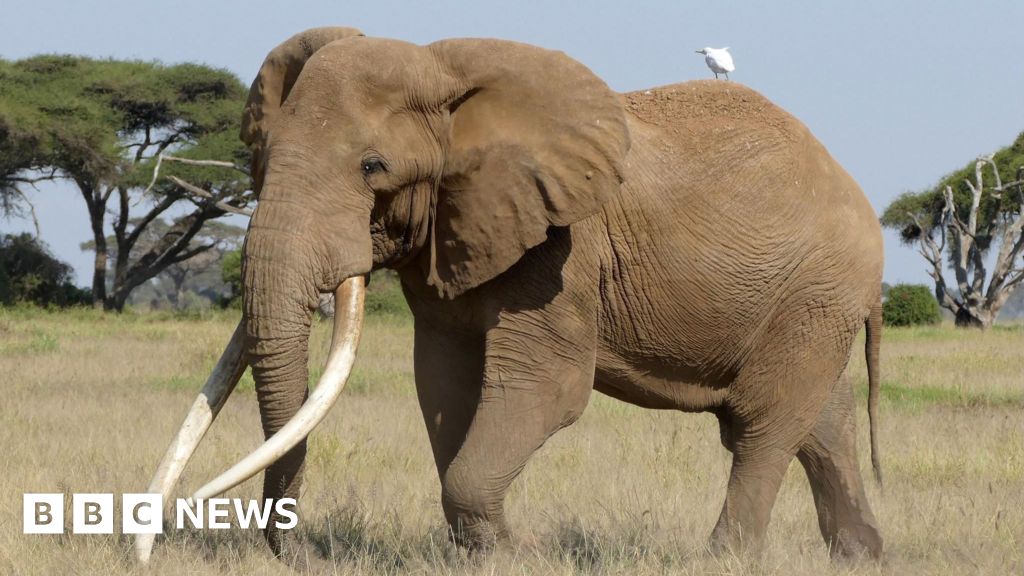
Craig the beer-ambassador elephant dies aged 54

 Newsmax
Conservationists in Kenya Pay Tribute to Beloved 'super Tusker' Elephant Craig, Who Died at Age 54
Overview
Bull elephant Craig, a famed 'super tusker' in Amboseli National Park, died of natural causes Saturday, the Amboseli Trust for Elephants and Kenya Wildlife Service confirmed.
In 2021 Craig became Tusker beer's ambassador, reflecting a partnership between the Amboseli Trust for Elephants and East African Breweries to raise conservation awareness.
Amboseli and other national parks draw millions of tourists annually; Kenya's elephant population rose from 36,280 (2021) to 42,072 (2025), indicating conservation gains.
'Super tusker' denotes bulls with tusks over 45 kilograms each; exceptionally long tusks can scrape the ground while walking, and long-tusked females are termed 'iconic cows'.
Rising elephant numbers—such as the Mwea Reserve relocation of 100 elephants in 2024—underline population pressures and management efforts; Craig's death symbolizes Kenya's anti-poaching and conservation progress.
Analysis
Center-leaning sources frame the story of Craig, the 'super tusker,' by emphasizing Kenya's conservation success and the symbolic nature of Craig's life. Language choices like "legendary" and "dignified presence" highlight his significance. The narrative prioritizes conservation efforts and tourism benefits, while marginalizing potential criticisms of wildlife management. This framing underscores a positive narrative of progress and collaboration.