U.S. Forces Capture Venezuelan President Nicolás Maduro, Fly Him to New York on Narco-Terrorism Charges
U.S. forces raided Caracas on Jan. 3, capturing President Nicolás Maduro and his wife and transporting them to New York to face narco-terrorism federal charges.

 Daily Caller
Maduro Bragged Just Days Before Capture That Iranian Air-Defense Systems Would Protect Venezuela
 BBC News
BBC reporter tests AI anti
 BBC News
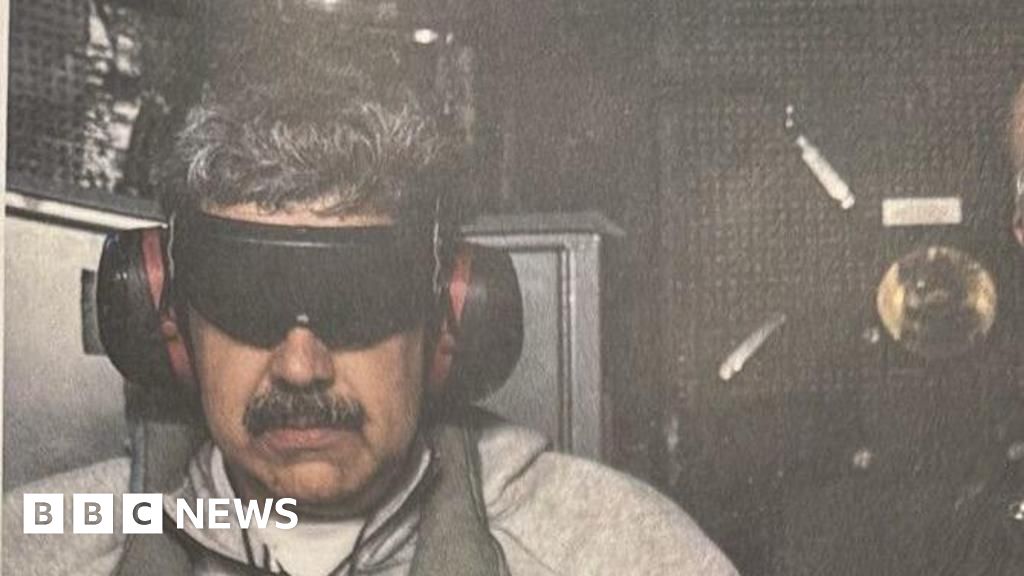
Spies, drones and blowtorches: How the US captured Maduro
 The Guardian
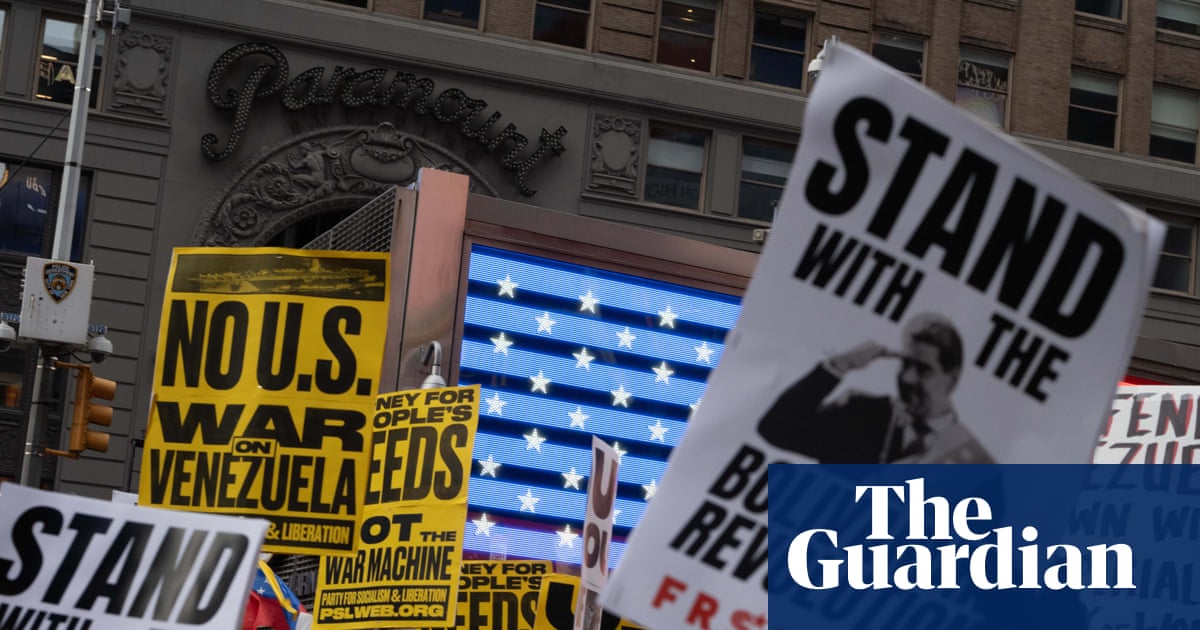
Protests erupt in US cities over Trump’s military intervention in Venezuela
Overview
On Jan. 3, U.S. forces raided Caracas and captured President Nicolás Maduro and his wife, transporting them to New York and detaining them at Stewart Air National Guard Base.
Attorney General Pam Bondi announced narco-terrorism, cocaine and weapons charges against Maduro and his wife; trial scheduled in New York's Southern District with an initial appearance Monday.
U.S. intelligence, CIA teams, Delta Force operators, drones, fighter jets and helicopters executed the operation; Venezuelan officials report strikes on military sites and significant, deadly collateral casualties.
President Trump confirmed strikes and capture but has not outlined post-capture plans; the U.N. will review legality and the Security Council will convene amid mixed international responses.
Legal experts contend the action may be illegal without clear authority; Republicans largely backed the strikes; U.S. forces reportedly moved Maduro via warship and plane to New York custody.
Analysis
Center-leaning sources frame the U.S. strikes on Venezuela as a complex geopolitical issue, emphasizing international law and regional stability. They highlight global condemnation and calls for de-escalation, using neutral language to present diverse perspectives. The focus is on diplomatic responses and the potential consequences of U.S. actions, rather than sensationalizing the military operation itself.