Britain and France Strike Underground IS Weapons Site Near Palmyra
British and French warplanes struck underground tunnels near Palmyra on Saturday, destroying suspected Islamic State weapons caches to disrupt IS operations in Syria's Homs province.
 FOX News
UK confirms joint airstrike targeting suspected ISIS weapons facility in Syria
 Breitbart News
UK, France in Joint Air Strikes on Underground IS Arms Dump in Syria
Breitbart NewsUK, France in Joint Air Strikes on Underground IS Arms Dump in Syria

 ABC News
British and French warplanes strike suspected IS weapons facility in Syria
Overview
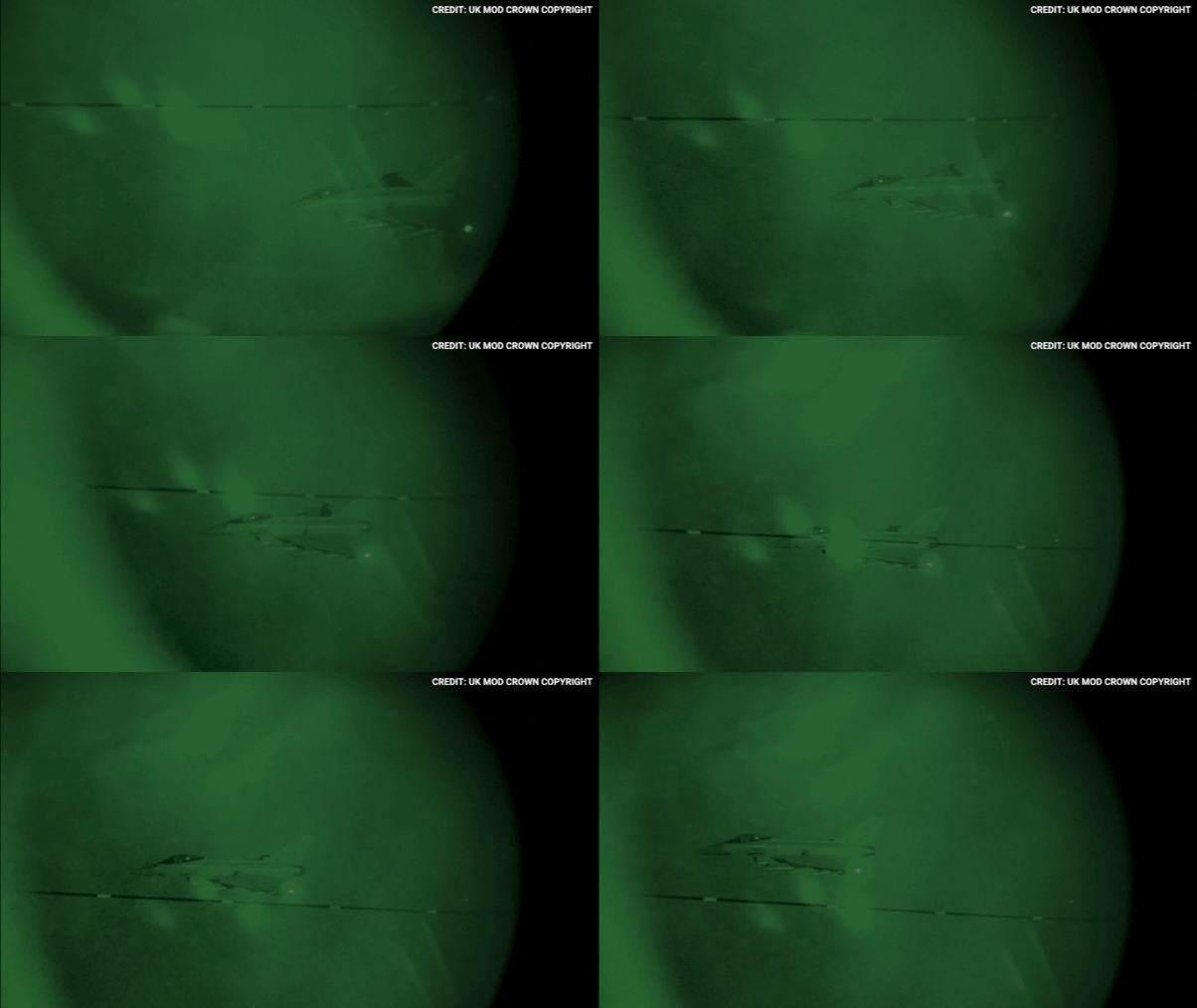
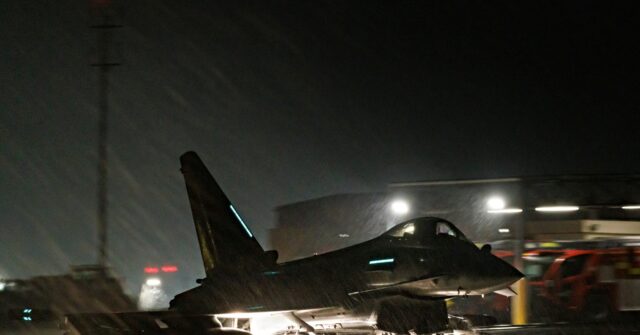
British Typhoon FGR4 jets, supported by a Voyager tanker, and French combat aircraft conducted a coordinated airstrike targeting subterranean tunnels suspected of storing Islamic State weapons and explosives.
The strike hit mountainous access tunnels near Palmyra in Syria's Homs province on Saturday evening, Britain’s Ministry of Defence said, amid increased coalition operations after recent IS attacks.
Aircraft used precision-guided munitions with aerial refuelling support from a Voyager tanker to destroy tunnel access points, denying IS storage and movement of arms inside the underground complex.
The operation aimed to degrade IS capabilities and prevent resurgence after deadly sleeper-cell attacks, reflecting Britain and France's long-standing partnership in the U.S.-led anti-IS coalition.
U.N. experts estimate 5,000–7,000 IS fighters remain in Syria and Iraq; Syria's government has not commented. IS sleeper cells continue to carry out deadly attacks.
Analysis
Center-leaning sources frame the airstrike as a necessary and strategic action against a persistent threat. Language choices like "stamp out any resurgence" and "eliminate dangerous terrorists" emphasize the ongoing danger posed by IS. The emphasis on coalition efforts and military professionalism highlights unity and resolve, while the lack of Syrian government response is downplayed, focusing instead on Western leadership and success.