Trump Invokes Monroe Doctrine, Pressures Petro After October Sanctions
President Trump invoked the Monroe Doctrine and Roosevelt Corollary to justify assertive U.S. policy across the Americas, citing security and sanctioning Colombia's Petro in October.
 Daily Beast
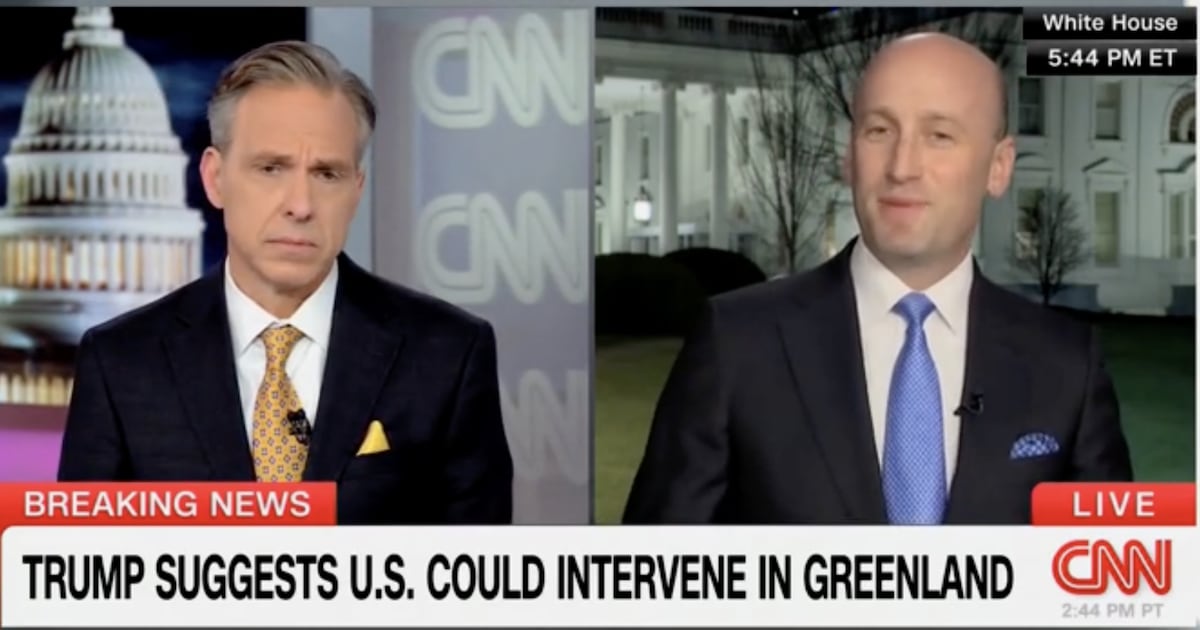
Stephen Miller Cornered on Wife Katie’s Grim Greenland Post

 Daily Caller
'Trying Hard To Get A Headline': Jake Tapper Badgers Stephen Miller About Supposed Military Invasion Of Greenland
 FOX News
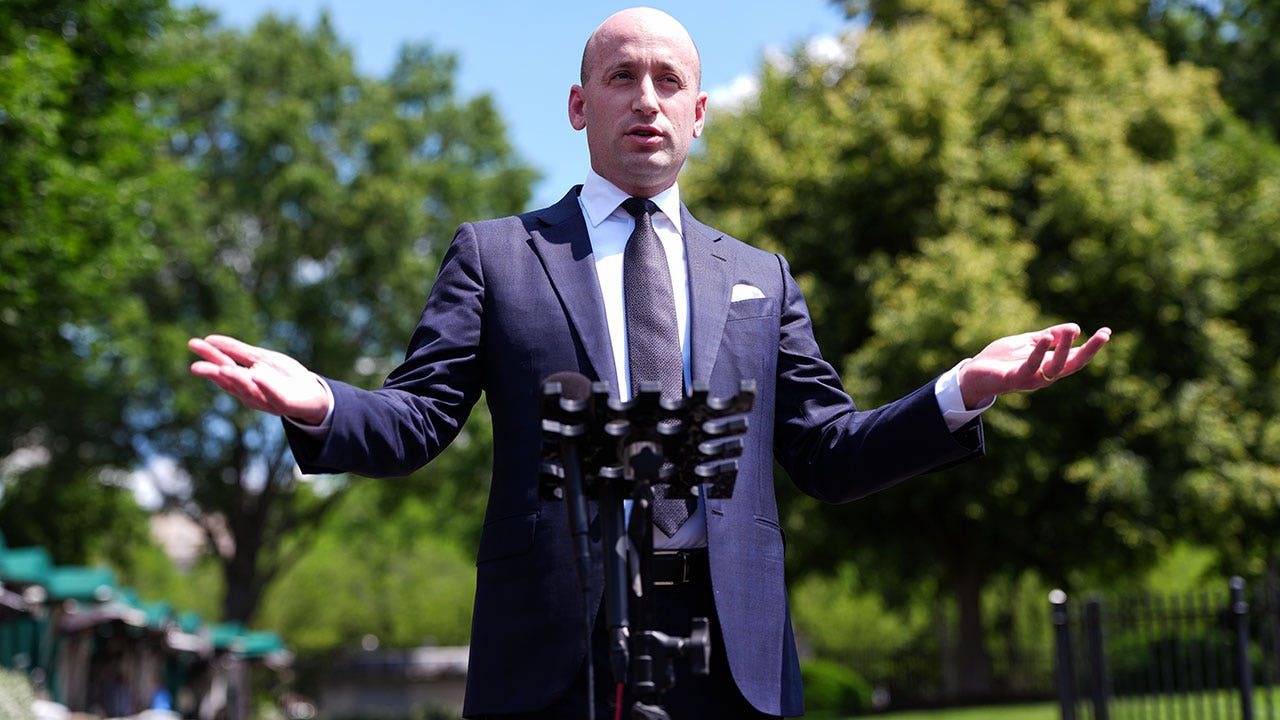
Stephen Miller dismisses the idea Denmark would fight for Greenland, claims it should be part of the US
 PBS NewsHour
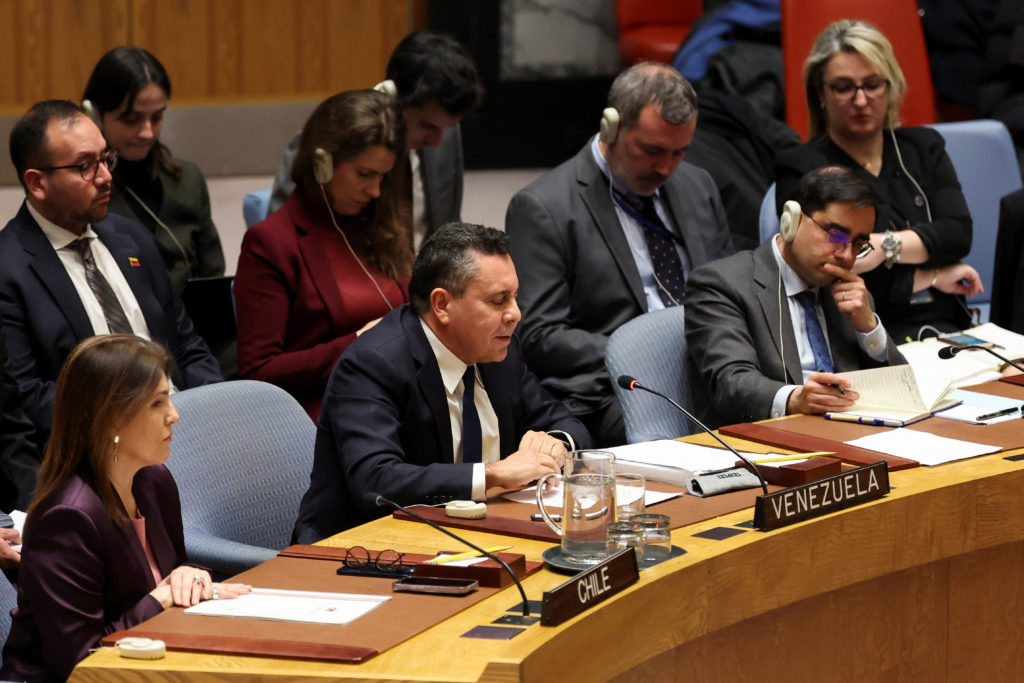
U.S. allies and adversaries alike use UN meeting to critique Venezuela intervention
Overview
President Trump invoked the Monroe Doctrine and Roosevelt Corollary to justify an assertive U.S. policy across the Americas, emphasizing strategic and security interests in neighboring countries.
Denmark's NATO agreements grant the U.S. broad access to Greenland; Trump discussed U.S. jurisdiction over Greenland and did not rule out military force, alarming Copenhagen and Nuuk.
U.S. operations targeted Venezuelan drug-smuggling boats and expanded to suspected Colombian vessels; media attention faded but operational tensions and deterrence measures persist across the region.
Cuban state television claimed 32 officers were killed in a U.S. military operation; U.S.-Cuba relations have remained hostile since the 1959 Cuban revolution, heightening regional friction.
The U.S. sanctioned Colombia's President Gustavo Petro and associates in October for allegedly facilitating the global drug trade and enabling cartels to thrive, increasing U.S. pressure on Bogotá.
Analysis
Center-leaning sources frame this story by emphasizing the aggressive and unilateral nature of Trump's foreign policy. Language choices like "dramatic overnight raid" and "Donroe Doctrine" highlight a return to 19th-century imperialism. The selection of sources, such as Greenland's Prime Minister and Denmark's ambassador, underscores international disapproval, while structural choices focus on potential conflicts, suggesting a narrative of escalating tensions.