U.S. Seizes President Maduro in Caracas; U.N., Legal and Domestic Turmoil Follow
U.S. forces seized Venezuelan President Nicolás Maduro in Caracas, flew him to New York on narco-terrorism charges, triggering UN review, legal questions and domestic unrest.
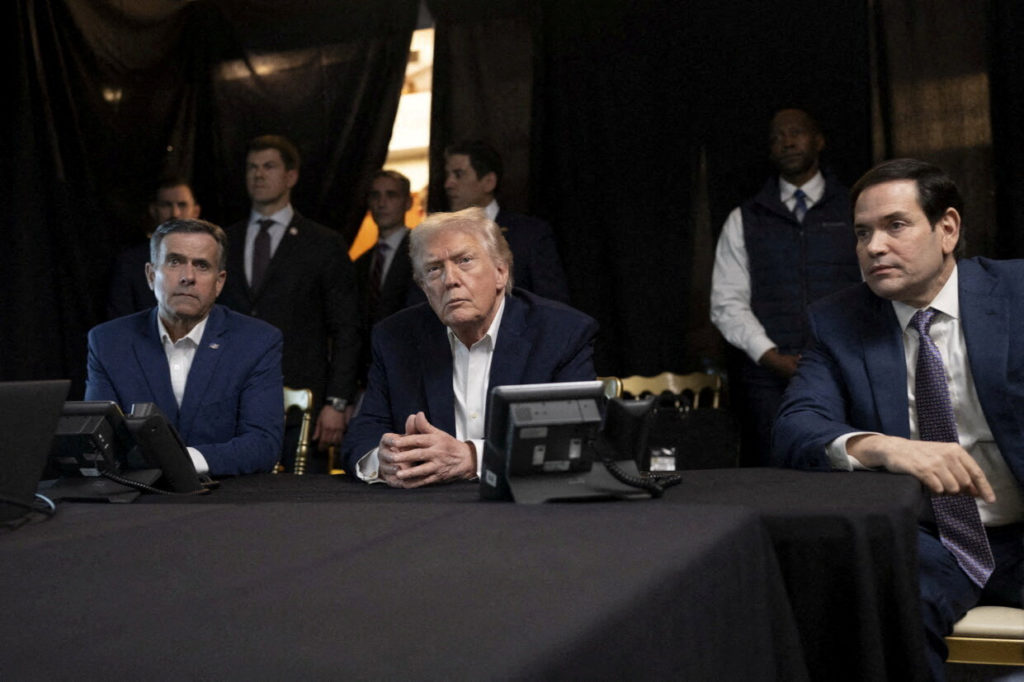
 PBS NewsHour
Fact-checking Trump's claims after U.S. strike on Venezuela and capture of Maduro
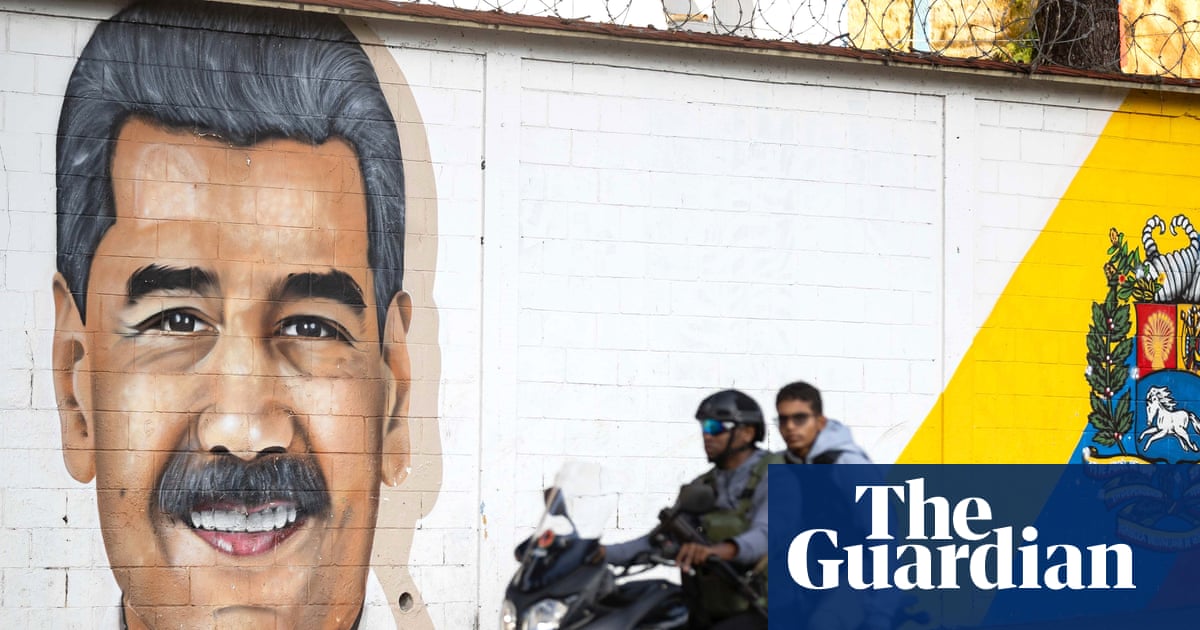
 The Guardian
Top Republicans backpedal from Trump claim that US will run Venezuela

 CNN
CNNA clearer picture is emerging of what Trump meant when he said the US will ‘run’ Venezuela | Politics
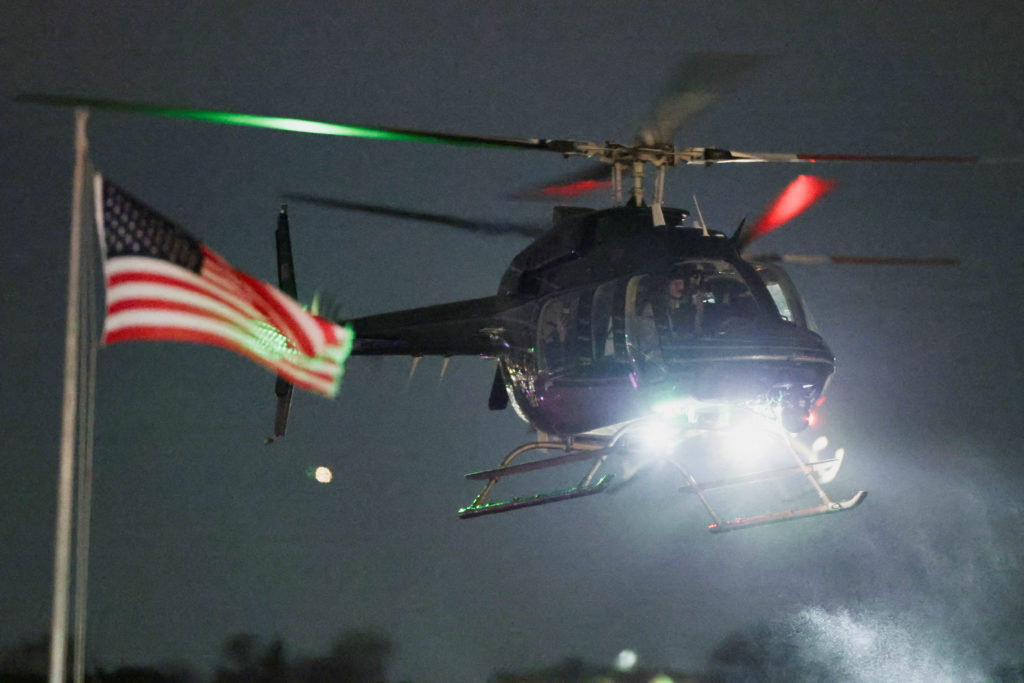 PBS NewsHour
Maduro arrives in New York to face charges after U.S. operation questioned by legal experts
Overview
U.S. special forces conducted an operation in Caracas, extracted President Nicolás Maduro and his wife, and transported them by helicopter to Manhattan, where DEA agents escorted them.
Maduro faces U.S. narco-terrorism indictments; U.S. officials portray his government as corrupt, while Venezuelan authorities and allies call the actions "imperialist" and illegitimate.
Colombia requested an emergency U.N. Security Council meeting Monday; legal experts questioned the operation's lawfulness, citing lack of congressional authorization for military action.
Explosions, low-flying aircraft and panic unfolded in Caracas; streets were unusually quiet later, businesses closed, supporters protested and the presidential palace saw heavy guard presence.
The Trump administration framed the operation as part of a campaign to curb drug flows and gain regional influence; Congress and bipartisan lawmakers objected to force without authorization.
Analysis
Center-leaning sources frame this story by emphasizing the legal and ethical implications of the U.S. operation in Venezuela. They highlight the lack of congressional approval and international law concerns, using terms like "imperialist" and "unlawful." The narrative is structured to question the legitimacy of the U.S. actions, with quotes from legal experts and international figures like Pope Leo XIV, underscoring the potential overreach of American power.