Trump Pardons Hernández While Maduro Faces U.S. Narco-Terrorism Case
Trump pardoned Honduran President Hernández despite drug-trade allegations, while Maduro and Cilia Flores face U.S. narco-terrorism charges and trial in New York under Judge Hellerstein.




Overview
President Trump pardoned former Honduran President Juan Orlando Hernández despite longstanding U.S. allegations tying him to drug trafficking, contrasting with strong U.S. actions against Venezuela's Nicolás Maduro.
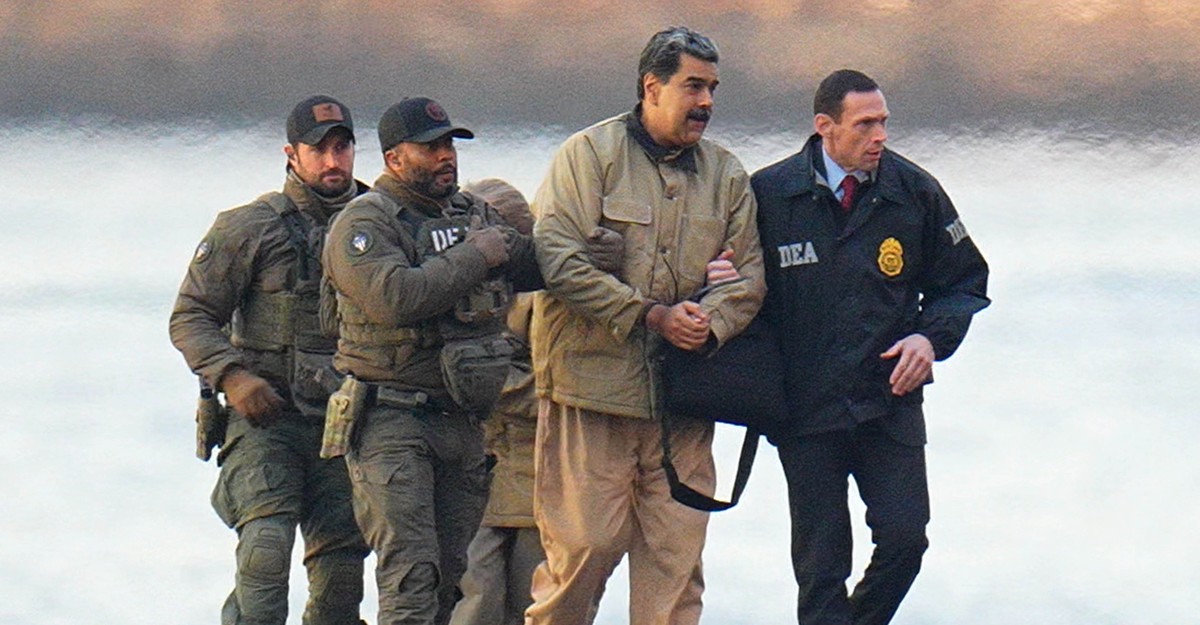
Maduro and his wife, Cilia Flores, were seized in Caracas, flown to New York, and pleaded not guilty to a superseding U.S. indictment alleging decades-long narco-terrorism and cocaine-trafficking conspiracies.
The superseding indictment updates 2020 allegations, accusing Maduro and associates of using state power and armed groups to traffic cocaine to the U.S.; defendants face potential life sentences.
Judge Alvin Hellerstein, 92, is overseeing the politically sensitive Manhattan proceedings; Maduro's defense will challenge capture legality and claim head-of-state immunity amid U.S. nonrecognition.
Demonstrators gathered near the courthouse amid a charged atmosphere; prosecutors allege decades-long collusion with criminal and armed groups, and critics say the pardon-prosecution contrast raises questions of double standards.
Analysis
Center-leaning sources frame the story by emphasizing the legal complexities and international implications of Maduro's case. They highlight the legal arguments, such as immunity claims and comparisons to Noriega, while also noting the geopolitical stakes, like U.S. interests in Venezuela's resources. This framing suggests a narrative of legal and diplomatic intricacies rather than focusing solely on political motivations.