Israel to Open Embassy in Somaliland After Recognition
Israel will open an embassy in Somaliland after recognizing its independence, prompting cooperation deals, sparking Somali criticism, and a reportedly accepted invitation for Somaliland’s president.
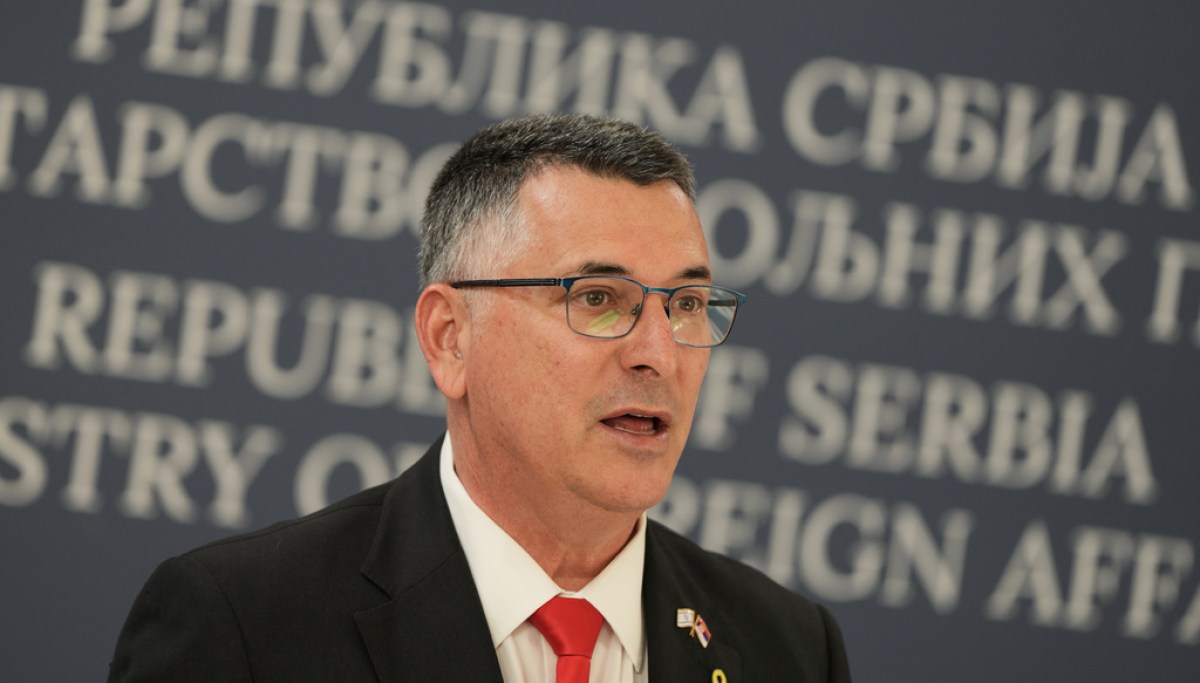
 Washington Examiner
Somalia angered by Israeli foreign minister's visit to Somaliland
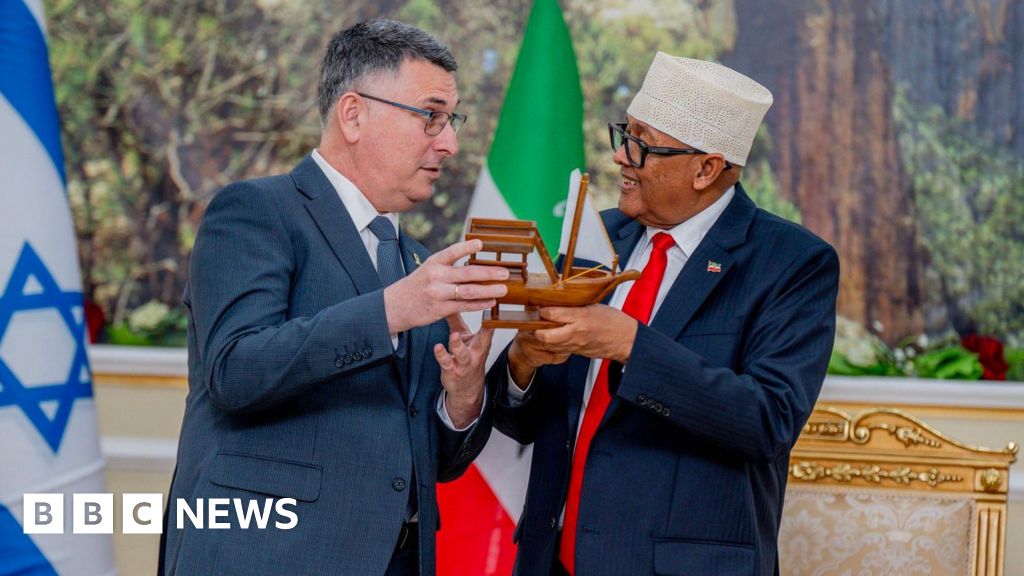
 BBC News
Gideon Saar: Israel foreign minister visits Somaliland after recognising its sovereignty

 Al Jazeera
Israeli FM visits Somaliland after world-first recognition storm
 Associated Press
Israeli foreign minister visits Somaliland after contentious recognition of breakaway territory
Overview
Israel’s foreign minister Gideon Saar visited Hargeisa this week to formalize recognition, announce plans for an Israeli embassy, and meet Somaliland officials to discuss cooperation.
Following recognition, Israel plans to open an embassy in Somaliland; Prime Minister Netanyahu invited Somaliland’s president, who reportedly accepted, although the president’s office has not confirmed.
Somalia and other observers criticized recognition, calling Somaliland part of Somalia, escalating regional diplomatic tensions and raising potential legal and political disputes with neighboring states.
Both parties announced cooperation in agriculture, health, technology and economic development, while Somaliland denied claims it would host Israeli bases or resettle Palestinians.
Somaliland declared independence in 1991 after civil war, maintains its own government and currency but remains largely unrecognized internationally, making Israel’s recognition diplomatically significant.
Analysis
Center-leaning sources frame the story by emphasizing the diplomatic and strategic implications of Israel's recognition of Somaliland. They highlight the international backlash, noting criticism from the African Union and other countries, while also presenting Israel's perspective on self-determination and strategic alliances. The coverage balances the narrative by including both the supportive and opposing viewpoints, showcasing the complexity of the geopolitical situation.