U.S. Seizure of Maduro Intensifies Venezuela Political Crisis
U.S. forces detained President Maduro and Cilia Flores; opposition-backed González claims victory amid exile and repression, seeking international recognition; election timing and succession remain uncertain.

 Boston Herald
Trump leaves Venezuela’s opposition sidelined and Maduro’s party in power

 Chicago Tribune
President Donald Trump leaves Venezuela’s opposition sidelined and Nicolás Maduro’s party in power
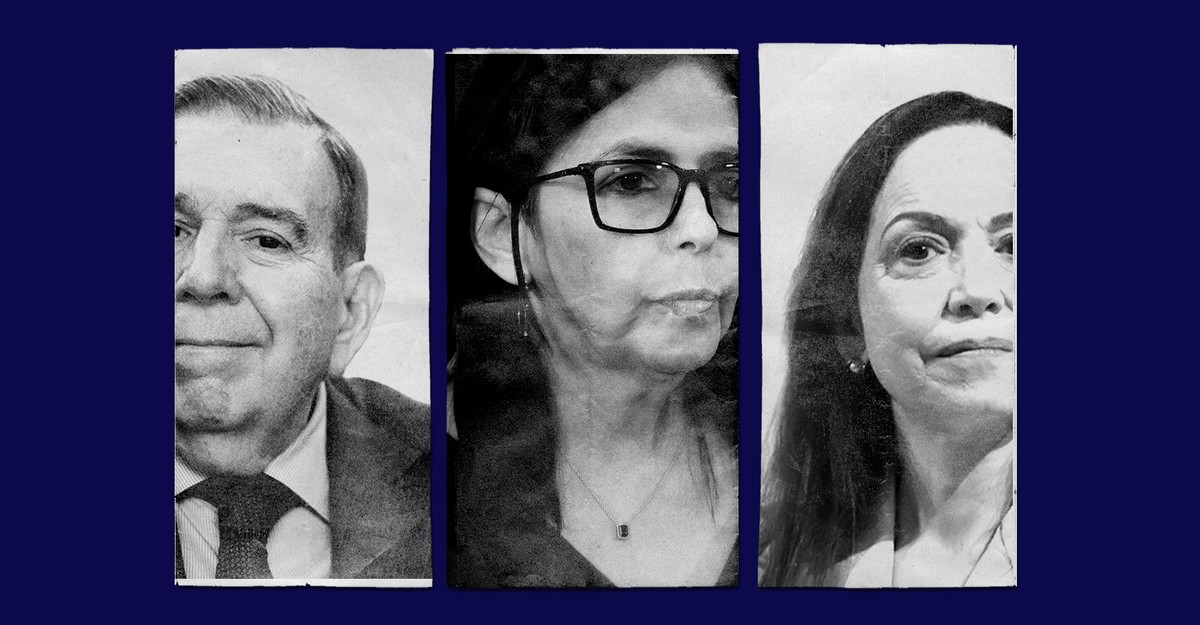
 The Atlantic
The Venezuelan Opposition Has a Choice
The AtlanticThe Venezuelan Opposition Has a Choice
Overview
U.S. military operation in Caracas seized President Maduro and First Lady Cilia Flores from a military-base residence; Maduro is now imprisoned in New York on drug-trafficking charges.
María Corina Machado, barred from the 2024 ballot and largely exiled or jailed, led the opposition; she appointed Edmundo González Urrutia as her stand-in candidate.
Machado’s campaign released tally sheets showing González won by about two-to-one; the U.S. and other countries recognized González, challenging Maduro government’s claims of victory.
Many opposition leaders remain imprisoned or exiled; the U.S.-backed opposition aims to replace Maduro’s repressive administration and restore democratic governance in oil-rich Venezuela.
Constitution requires election within 30 days if president is permanently unavailable; uncertainty persists over timing, succession rules, and whether interim leaders will call timely national votes.
Analysis
Center-leaning sources frame the story by emphasizing the complexity and uncertainty of Venezuela's political situation. They highlight the U.S.'s controversial role and the mixed reactions to Trump's actions, using neutral language to present multiple perspectives. The coverage avoids taking a definitive stance, instead focusing on the implications of U.S. involvement and the challenges facing the opposition. This balanced approach underscores the nuanced reality without overt bias.