Fabricated Seismic Data Halts Safety Screenings at Hamaoka, Delays Reactor Restarts
Fabricated seismic data at Chubu Electric’s Hamaoka plant prompted Japan’s Nuclear Regulation Authority to halt reactor safety screenings, delaying restarts and immediately triggering an investigation.
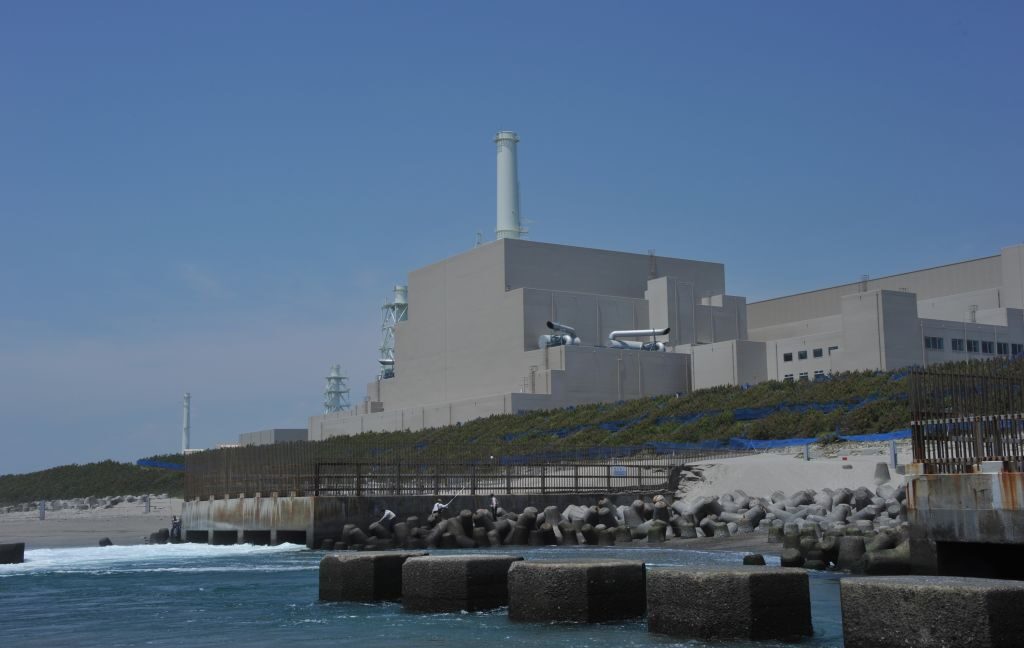

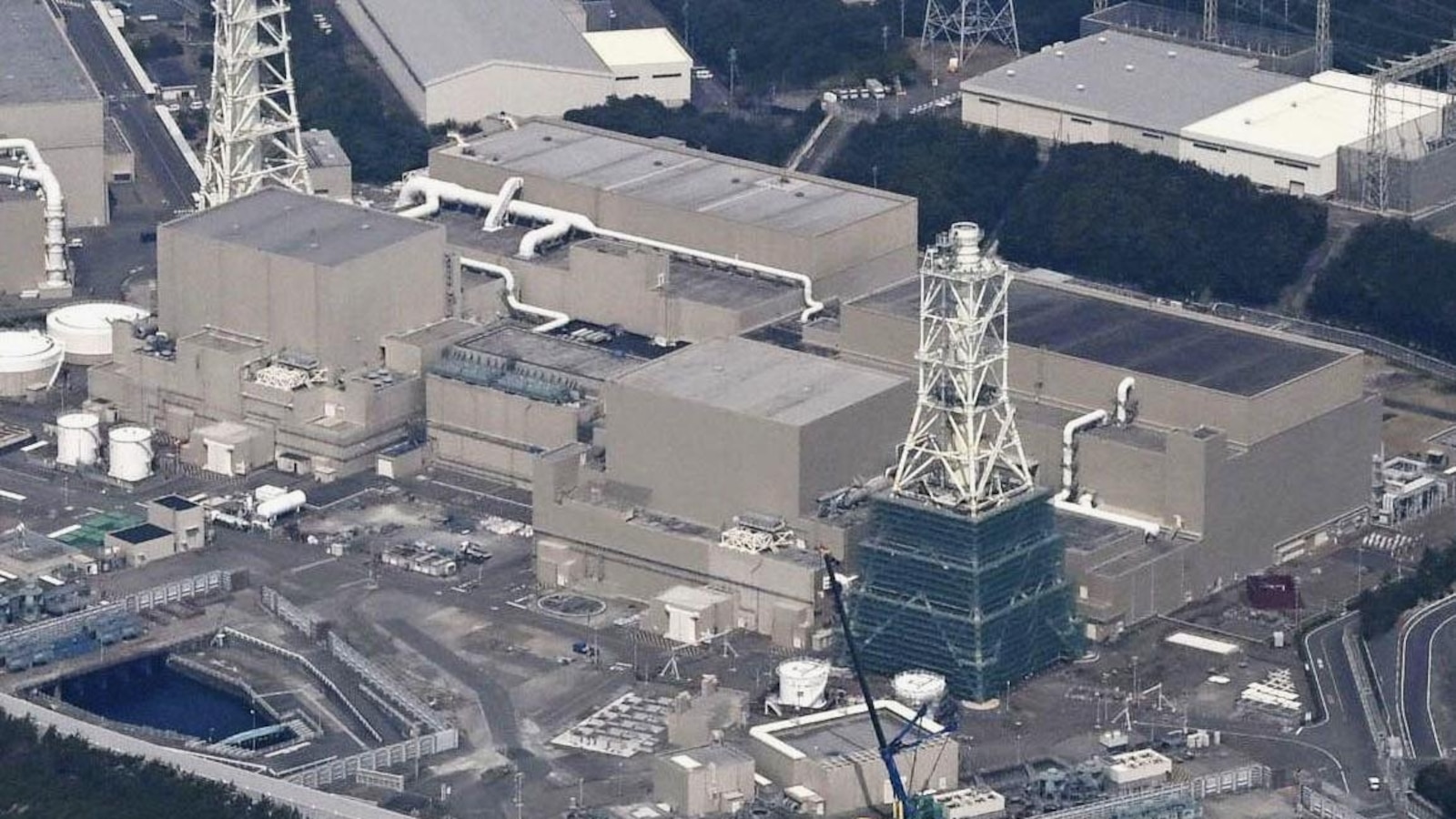


Overview
Japan’s Nuclear Regulation Authority halted safety screenings at the Hamaoka plant after confirming operator-fabricated seismic risk data, following a whistleblower tip and regulator chair Shinsuke Yamanaka’s confirmation.
Chubu Electric seeks approval to restart No.2 reactor even as reactors 3 and 4 had previously operated in 2014 and 2015, while two reactors are being decommissioned.
Hamaoka's coastal location west of Tokyo places it at elevated risk from potential Nankai Trough megaquakes, raising concerns about underreported seismic vulnerability.
Chubu’s president admitted using incorrect seismic data to downplay risks, apologized and pledged an independent panel; the NRA plans to inspect the utility's headquarters.
The falsification crisis complicates Japan’s restart efforts amid rising energy costs and emission targets; country has 57 commercial reactors, 13 operational, 20 offline, 24 decommissioned.
Analysis
Center-leaning sources frame this story by emphasizing the gravity of the situation through language choices like "fabricated" and "manipulated," highlighting the potential risks due to the plant's location near a subduction fault. They prioritize the whistleblower's role and the regulatory response, suggesting a narrative of accountability and oversight. The structural choice to juxtapose the Fukushima disaster with the current scandal underscores the potential dangers of negligence in nuclear safety.