European farmers protest EU-Mercosur deal, blocking roads and staging Paris demonstrations
Greek and French farmers staged tractor blockades and Paris demonstrations, warning the EU-Mercosur deal will flood markets with cheaper South American agricultural imports, threatening incomes.
 PBS NewsHour
Farmers drive through Paris and block traffic in Greece to protest free trade deal
 Epoch Times
Farmers in France, Greece Block Streets in Protest Over EU–Mercosur Trade Deal

 The Guardian
French farmers stage protest in Paris to oppose EU-Mercosur trade deal
The GuardianFrench farmers stage protest in Paris to oppose EU-Mercosur trade deal
Overview
Greek farmers began a 48-hour nationwide tractor blockade starting in November, obstructing major roads including the Athens–Thessaloniki highway and allowing only emergency vehicles to pass.
Protests cite rising production costs, subsidy fraud allegations, and a livestock disease outbreak as immediate triggers of escalating demonstrations across affected regions.
Farmers in France, Greece and elsewhere warn the EU-Mercosur free-trade deal could flood European markets with cheaper South American produce, undermining competitiveness and farm incomes.
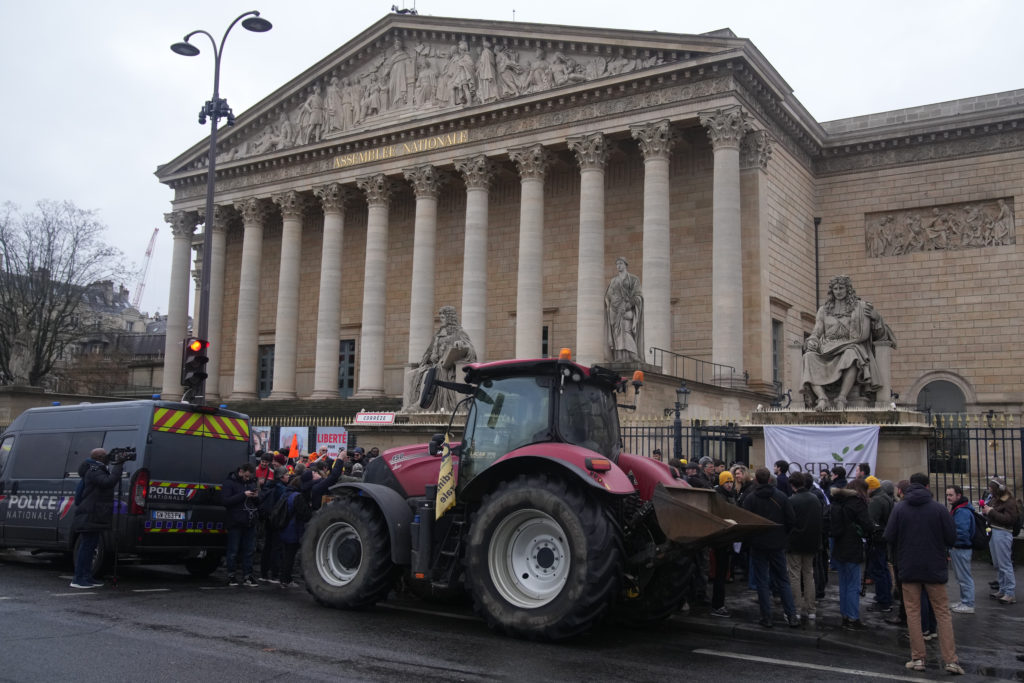
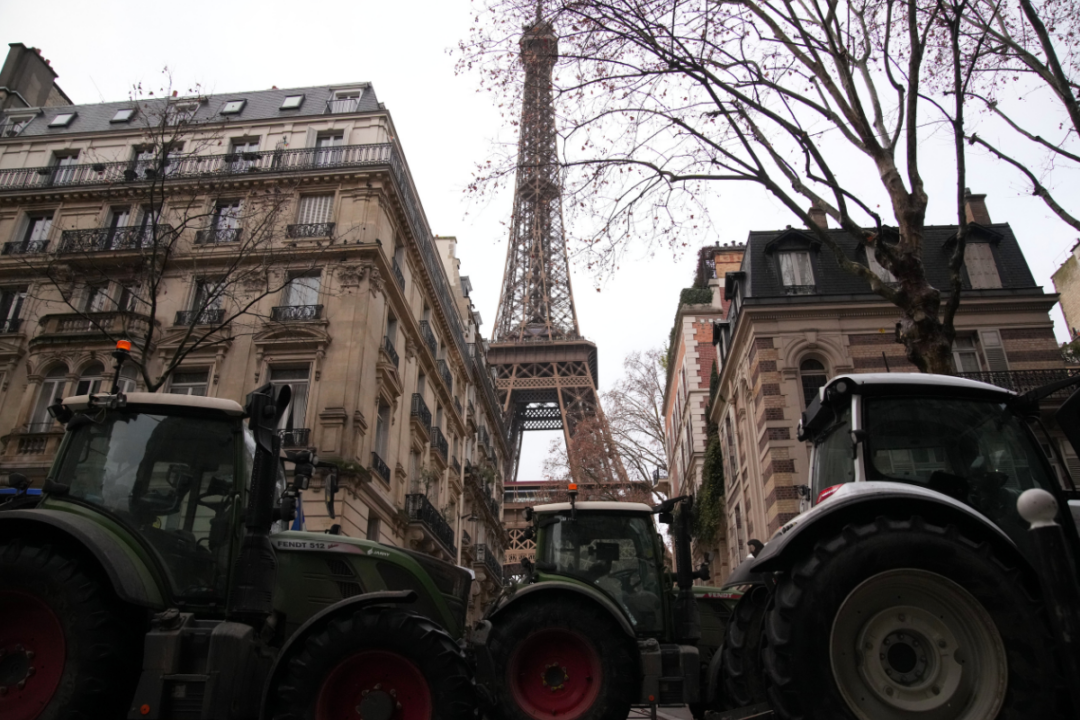
French farmers drove about 100 tractors to Paris and demonstrated at the National Assembly under heavy police surveillance, highlighting widespread domestic opposition to the deal.
Governments offered concessions like cheaper electricity and fuel tax rebates; police rerouted traffic and avoided force, while long-term competitiveness concerns worry policymakers.
Analysis
Center-leaning sources frame the story by emphasizing the economic and political dimensions of the protests. They highlight the farmers' grievances about the EU-Mercosur trade deal and rising production costs, using terms like "breaking point" and "desperation" to underscore the urgency. The coverage balances perspectives by quoting both protest leaders and government officials, but the narrative leans towards portraying the farmers' plight sympathetically, suggesting a need for governmental action.