BRICS Naval Drills Near South Africa Raise Tensions with United States
BRICS navies, including China, Russia and Iran, hold drills near South Africa's Simon's Town, intensifying regional maritime presence and straining relations with the United States.

 Al Jazeera
BRICS wargames: Why they matter, why India opted out
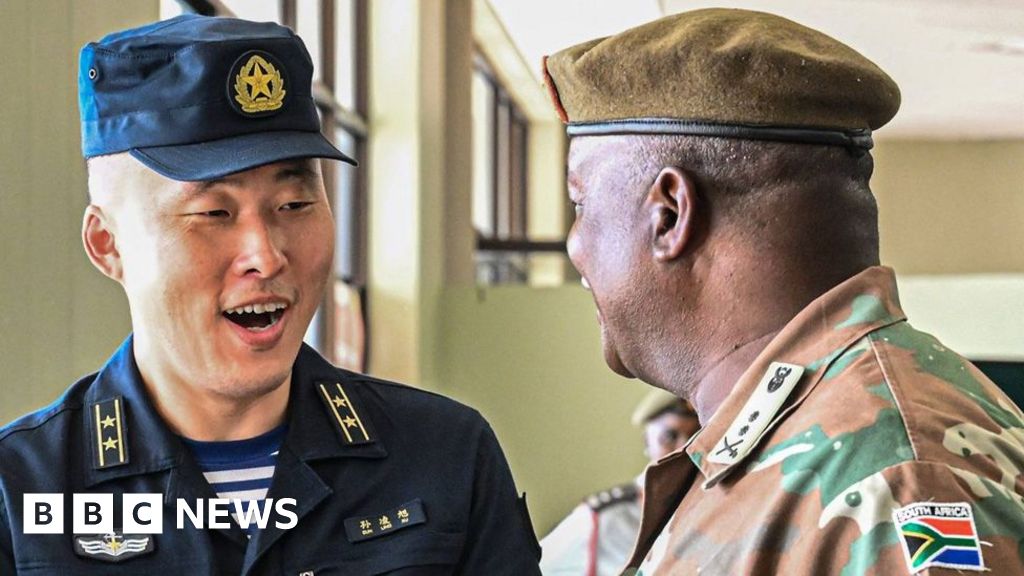
 BBC News
South Africa's strained ties with US face new test - war games with China, Iran and Russia
 Al Jazeera
Chinese, Russian and Iranian warships arrive for drills in South Africa

 ABC News
Chinese, Russian and Iranian warships arrive in South Africa for naval drills as tensions run high
Overview
BRICS navies — China, Russia, Iran and South Africa — are conducting naval drills near Simon's Town, South Africa, amid increased regional maritime activity and observed ship movements.
Exercises follow 2023 co-hosted drills and Iran's 2024 BRICS accession; earlier drills were postponed for the Johannesburg G20 summit, reflecting prior scheduling conflicts.
South African armed forces say participation remains unconfirmed; Brazil, India and the UAE face uncertainty about joining the exercises this month.
China frames the drills as anti-piracy and maritime safety cooperation; critics warn the BRICS-led exercises could exacerbate security and diplomatic tensions with the United States.
South African President Ramaphosa and his government deny allegations; all major parties reject 'white genocide' claims, but critics say hosting may strain US-South Africa relations.
Analysis
Center-leaning sources frame the story by highlighting the geopolitical implications of South Africa's naval exercises with China, Russia, and Iran. They emphasize the potential strain on US-South Africa relations, using terms like "strained ties" and "provocation." The narrative is structured to underscore the economic risks for South Africa, with quotes from analysts warning of potential fallout. This framing suggests a cautious stance towards South Africa's foreign policy choices.