EU Finalizes Historic Mercosur Free-Trade Deal After 25 Years; Parliament Vote, Protests, and Legal Threats Loom
The EU finalized a free-trade pact with Mercosur after 25 years, creating a zone for 780 million people; Parliament vote, protests, and legal challenges loom.



Overview
EU institutions finalized a 25-year Mercosur free-trade agreement, creating a zone spanning Uruguay to Romania and affecting roughly 780 million people and a quarter of global GDP.
Italy and Prime Minister Giorgia Meloni played a crucial role rallying support; Italy publicly backs ratification despite opposition from Austria, Hungary, and Ireland.
The European Parliament must ratify the deal before enactment; Ursula von der Leyen could sign in Paraguay, but a December signing delay hurt EU credibility, angering President Lula.
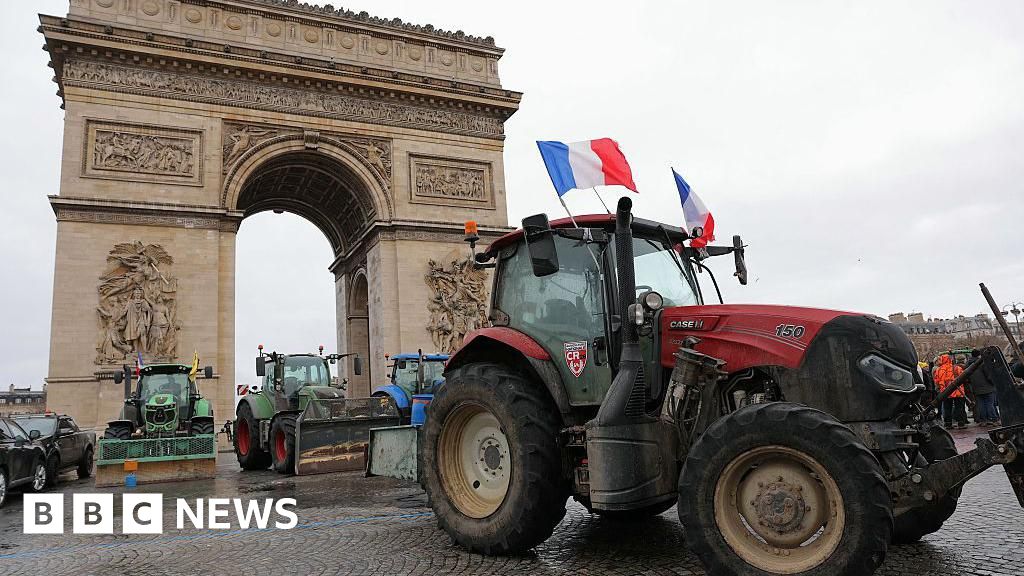
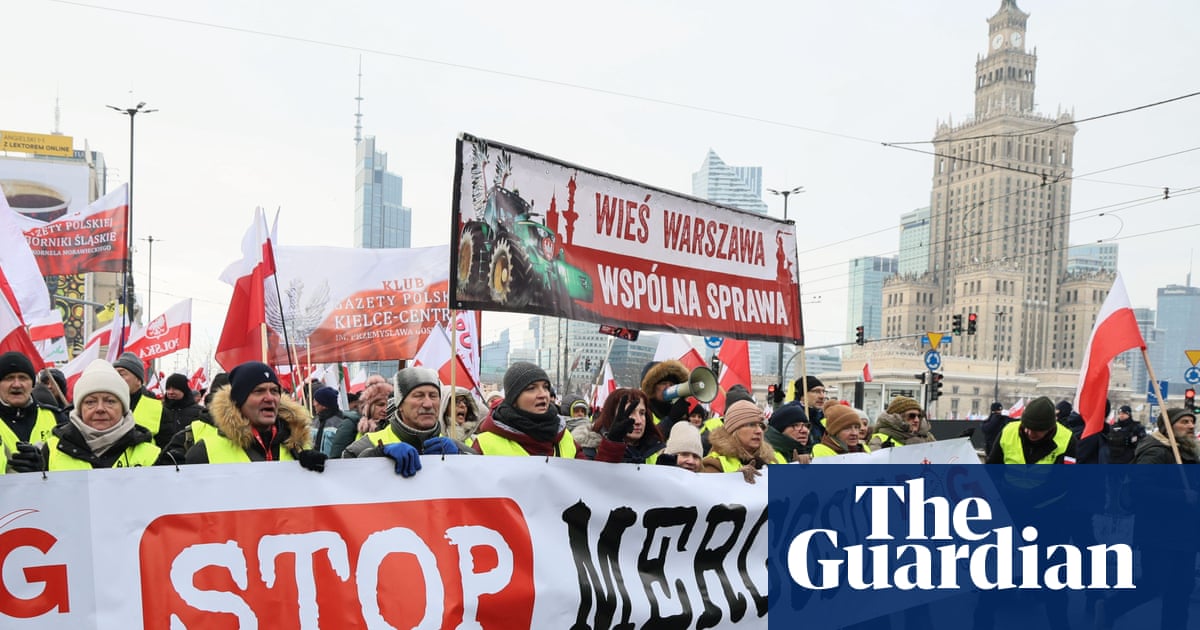
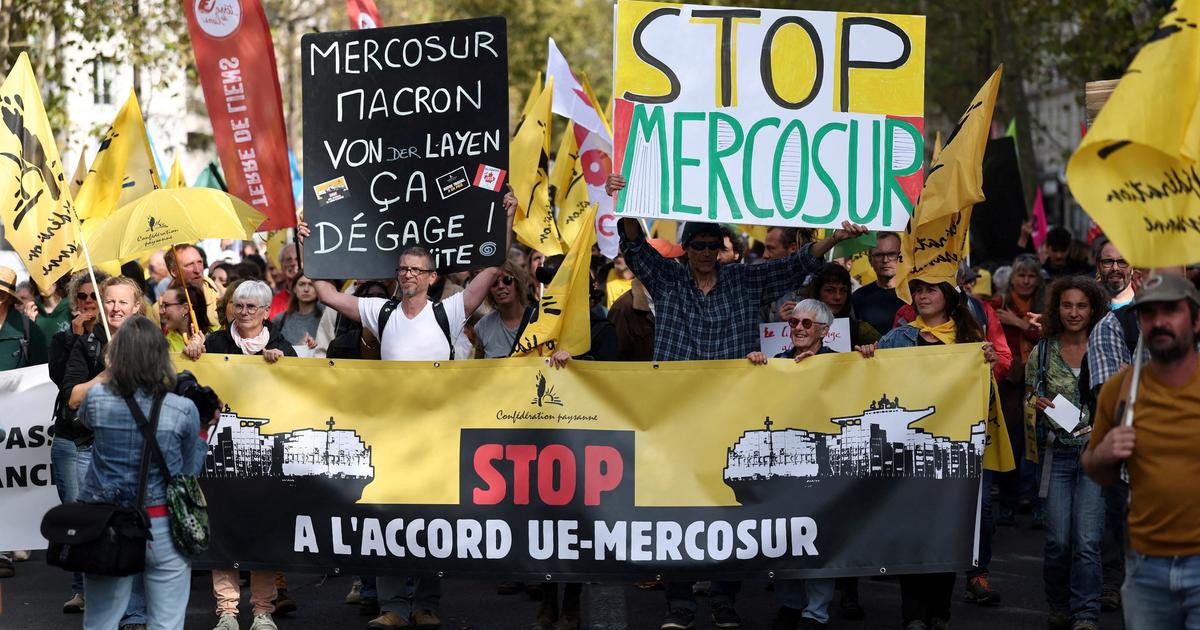
Agricultural protests erupted across Europe with tractor blockades from Brussels to Athens; reforms purportedly protect European farmers, yet Green MEPs warn of Amazon deforestation risks and legal action.
Economic forecasts estimate the pact will add €77 billion (0.5% of EU GDP) by 2040; deal proponents argue long-term trade gains justify reforms amid political controversy.
Analysis
Center-leaning sources frame the EU-Mercosur trade deal as a significant geopolitical and economic achievement, emphasizing its potential to counter global protectionism and strengthen international trade ties. They highlight the deal's benefits for both blocs, while acknowledging concerns from European farmers. The narrative balances optimism about economic growth with caution over agricultural impacts, using terms like "win-win" and "historic day" to underscore the deal's importance.