U.S. Forces Capture Nicolás Maduro; Military Strikes, Global Condemnation and Domestic Protests Follow
U.S. forces captured Nicolás Maduro and moved him to New York; military strikes, global condemnation, protests and a Senate resolution followed amid disputed casualties reported.


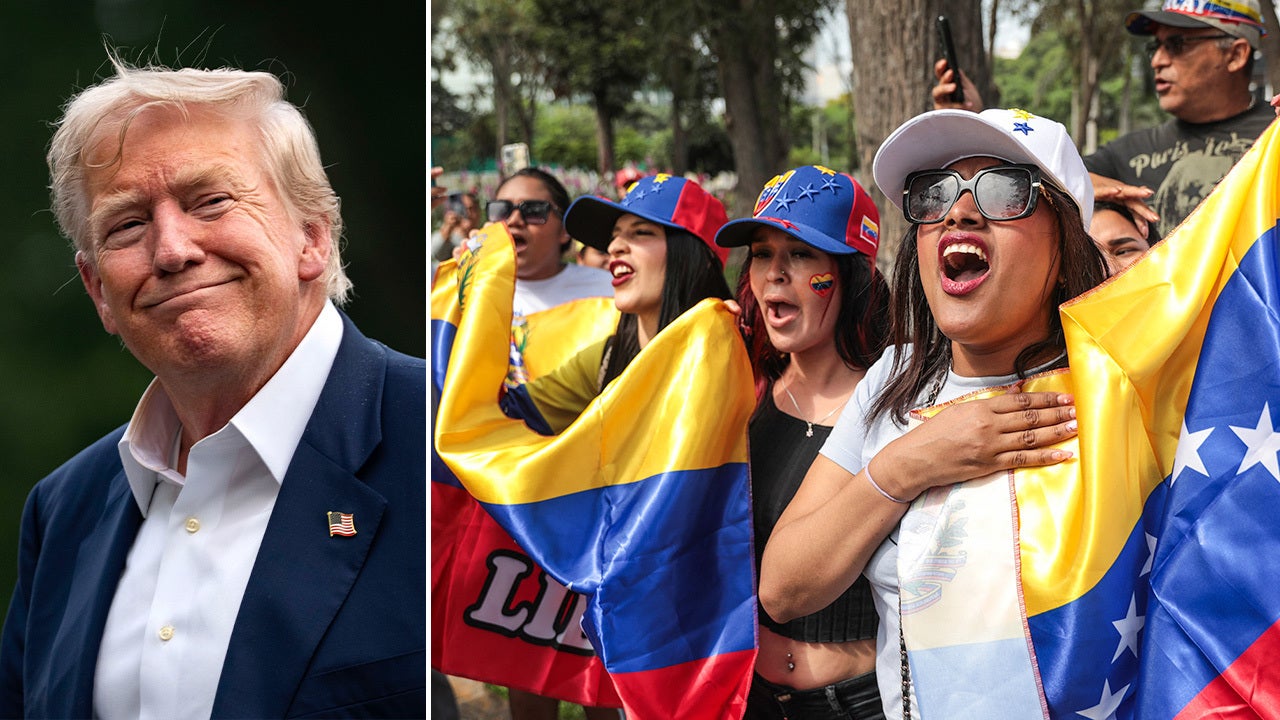

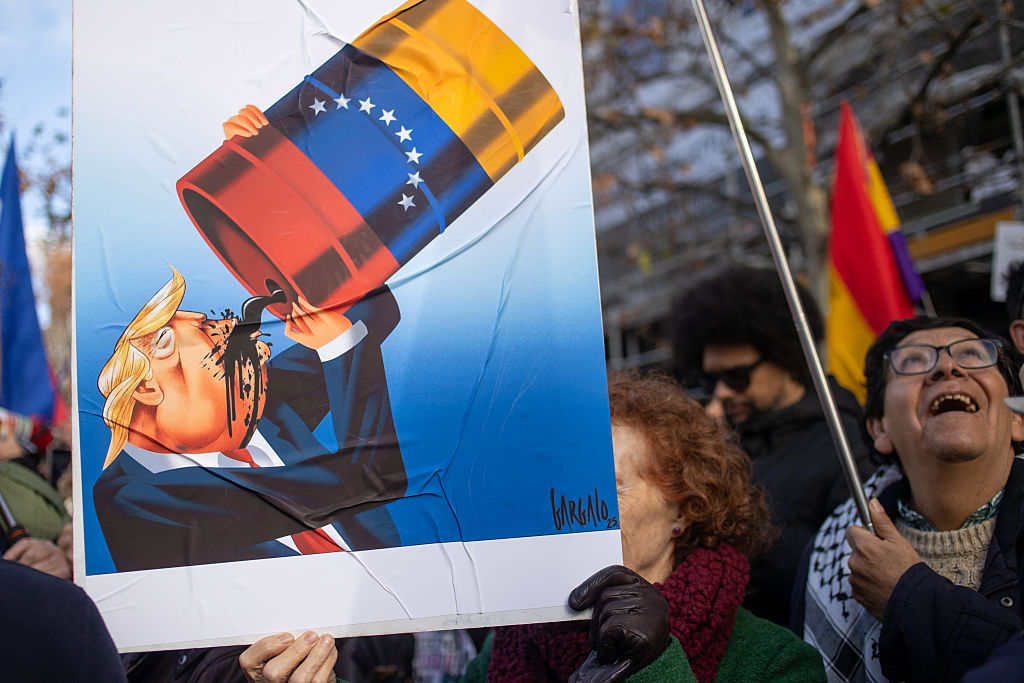

Overview
U.S. special forces and military aircraft detained President Nicolás Maduro and his wife, transporting them to New York to face federal charges, The New York Times and officials reported.
The New York Times reported U.S. special operations and air attacks killed about 80 civilians and military personnel and bombed Venezuelan speedboats, with some claims exceeding 100 deaths.
Caracas released high-profile prisoners as a goodwill gesture; Trump canceled a planned second attack after prisoner transfers and announced oversight of a $2.5 billion oil sale and meetings with executives.
Global labor federations and unions condemned U.S. military actions, issuing joint statements; protests targeted Chevron and Citgo executives and took place in major U.S. cities on January 4–5.
Senate Republicans and Democrats advanced a measure requiring congressional approval for military action; the administration also faced domestic controversies over an ICE shooting and reported Greenland bribery talks.
Analysis
Center-leaning sources frame the story by emphasizing the pragmatic and diplomatic aspects of Trump's approach to Venezuela, highlighting his strategic decisions and the potential for economic benefits. Language choices like "profitable way" and "seeking peace" suggest a focus on positive outcomes. The narrative prioritizes Trump's actions and statements, while marginalizing opposition perspectives, creating a narrative of effective leadership and cooperation.