STC Dissolution Sparks Large Aden Protests, Escalating Saudi-UAE Rift in Yemen
Thousands rallied in Aden after the UAE-backed STC dissolved; protesters opposed Riyadh-backed government, escalating Saudi-UAE tensions amid south Yemen separatist resurgence and recent armed clashes.

 Al Jazeera
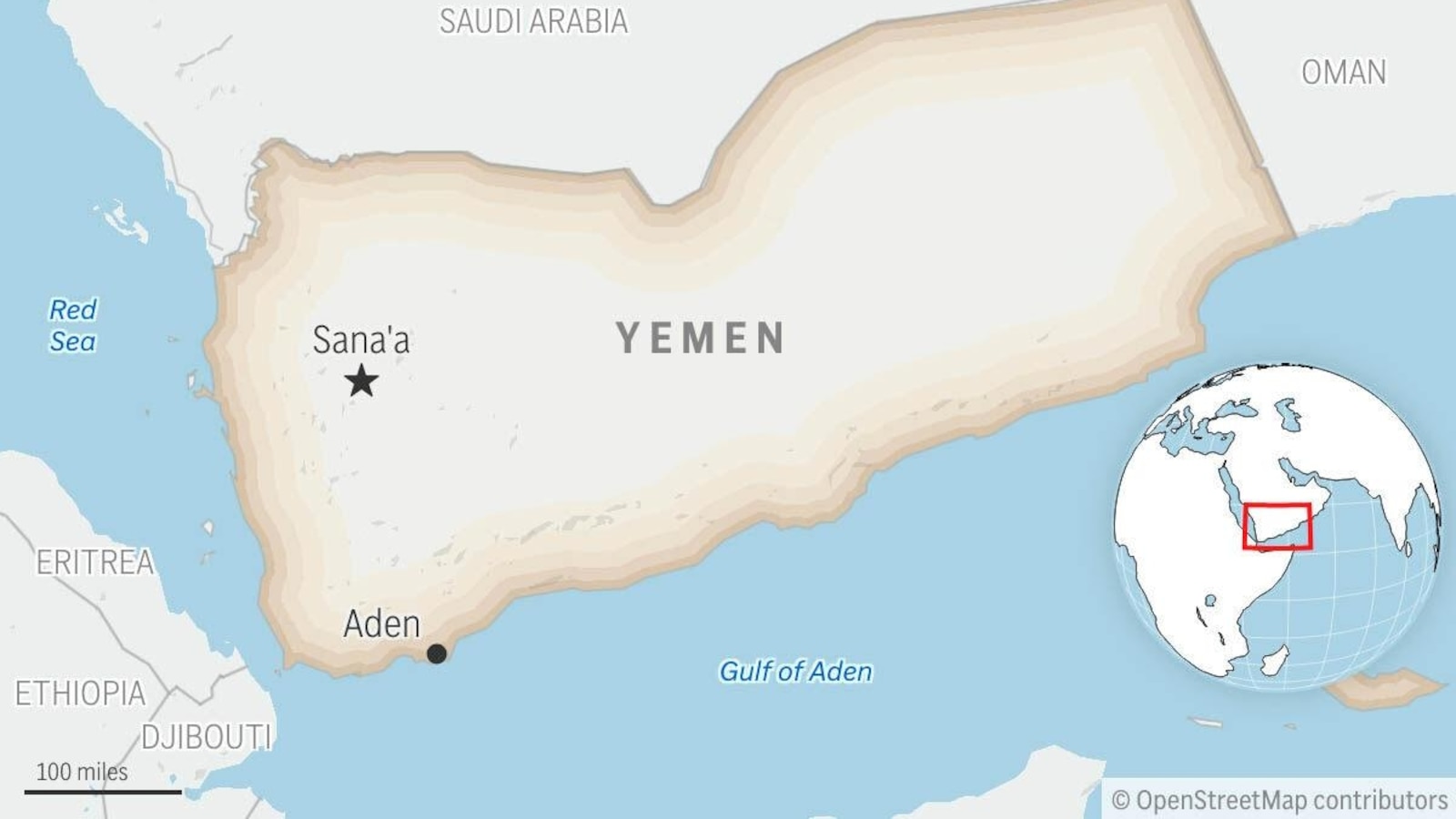
Thousands of supporters of Yemen’s separatist STC rally in Aden
 ABC News
Supporters of UAE-backed separatist group rally in southern Yemen as regional tensions rise
 Associated Press
Supporters of UAE-backed separatist group rally in southern Yemen
 NPR
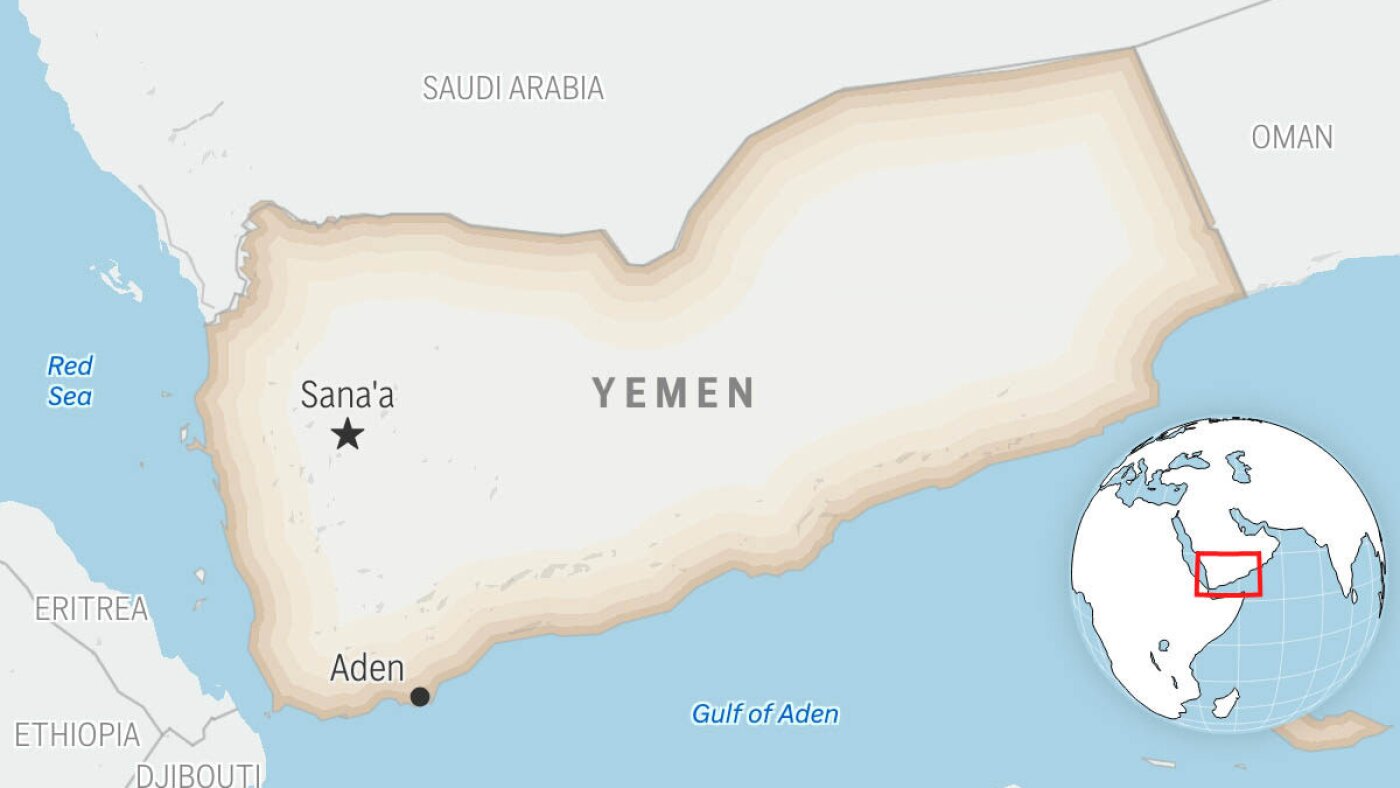
NPRYemen's Southern Transitional Council says it will dissolve after its head fled to UAE
Overview
Thousands of STC supporters rallied in Aden's Khor Maksar district after the UAE-backed Southern Transitional Council announced its dissolution amid clashes with Saudi-backed government forces.
Protesters waved former South Yemen flags and displayed posters of Aidarous al-Zubaidi, who fled to the UAE; STC-loyal armed groups secured the Khor Maksar protest area.
After Riyadh talks the STC delegation dissolved the separatist body, an apparent admission of defeat; leader Abdulrahman Jalal al-Sebaihi ordered office closures amid internal disagreements and pressure.
Saudi-backed National Shield Forces reclaimed Aden's presidential palace and key locations in Hadramout and al-Mahra, ousting separatists after de-escalation efforts; Riyadh-Abu Dhabi tensions rose over UAE-backed seizures.
The developments unfold within Yemen's decade-long civil war: Houthi control of Sanaa since 2014, Saudi-led coalition intervention, stalemate and reciprocal ceasefire arrangements affecting cross-border attacks and strikes.
Analysis
Center-leaning sources frame the story by emphasizing the complexity and regional implications of the conflict in Yemen. They use neutral language to describe the events, focusing on the strategic interests of Saudi Arabia and the UAE. The coverage highlights the internal divisions within the STC and the broader geopolitical dynamics, presenting a balanced view without overt bias. This approach underscores the multifaceted nature of the conflict, avoiding sensationalism and providing a comprehensive overview of the situation.