U.S. Conducts Retaliatory Strikes Against ISIS in Syria After Ambush Kills U.S. Personnel
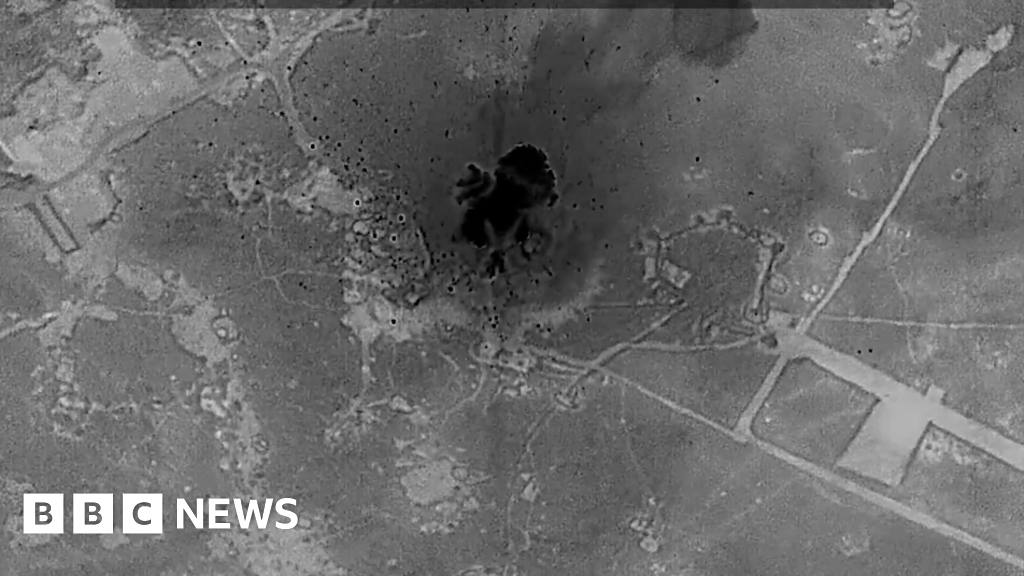
The U.S. and partner forces launched large-scale strikes across central Syria at 12:30 p.m. targeting multiple ISIS locations, in retaliation for an ambush that killed two soldiers and an interpreter.



Overview
President Trump ordered Operation Hawkeye Strike following a Dec. 13 Palmyra ambush that killed two U.S. soldiers and a civilian interpreter, aiming to deter future attacks.
CENTCOM and U.S. officials confirmed U.S. and partner forces conducted strikes at about 12:30 p.m., targeting multiple ISIS positions across central Syria.
Saturday's operation marked a second aerial strike since Dec. 19 and followed a larger Dec. 19 strike that hit roughly 70 ISIS infrastructure and weapons sites.
Syrian security forces have arrested the military leader of IS operations in the Levant; the U.S. has shifted its strategy from Kurdish partners to coordinating with Damascus since Assad's ouster in Dec. 2024.
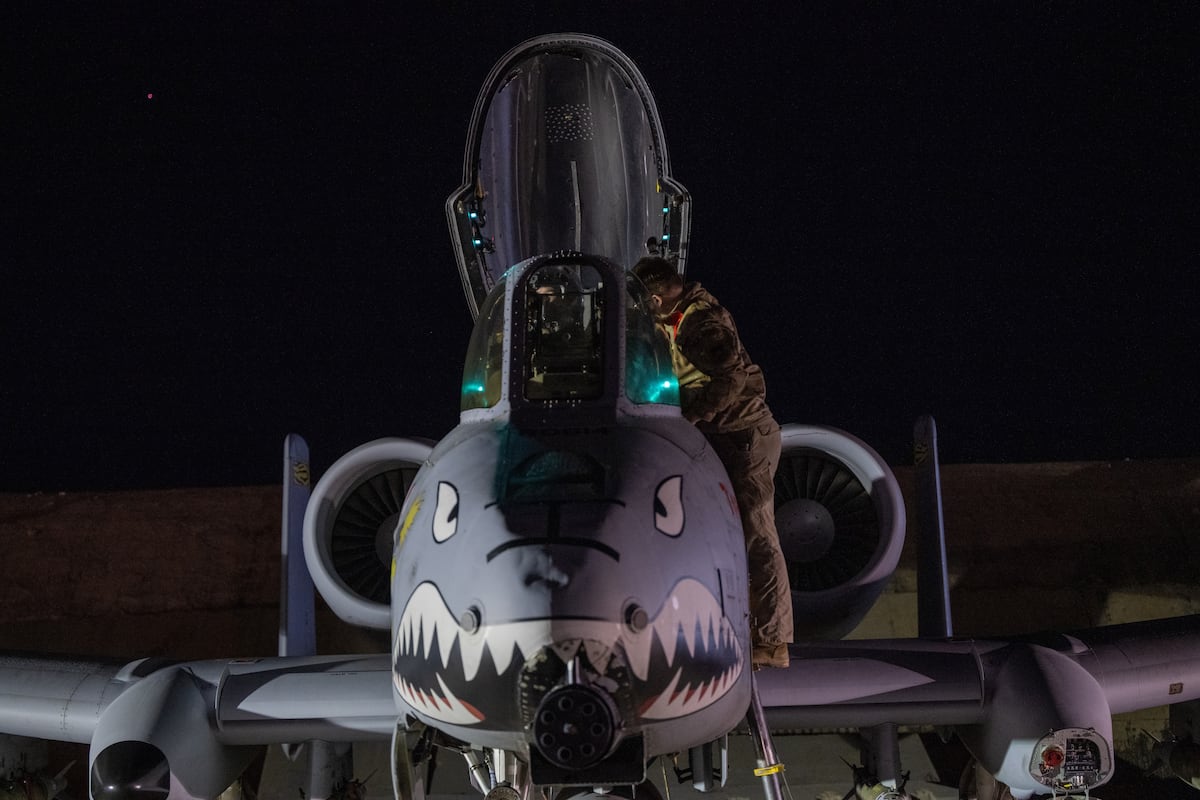
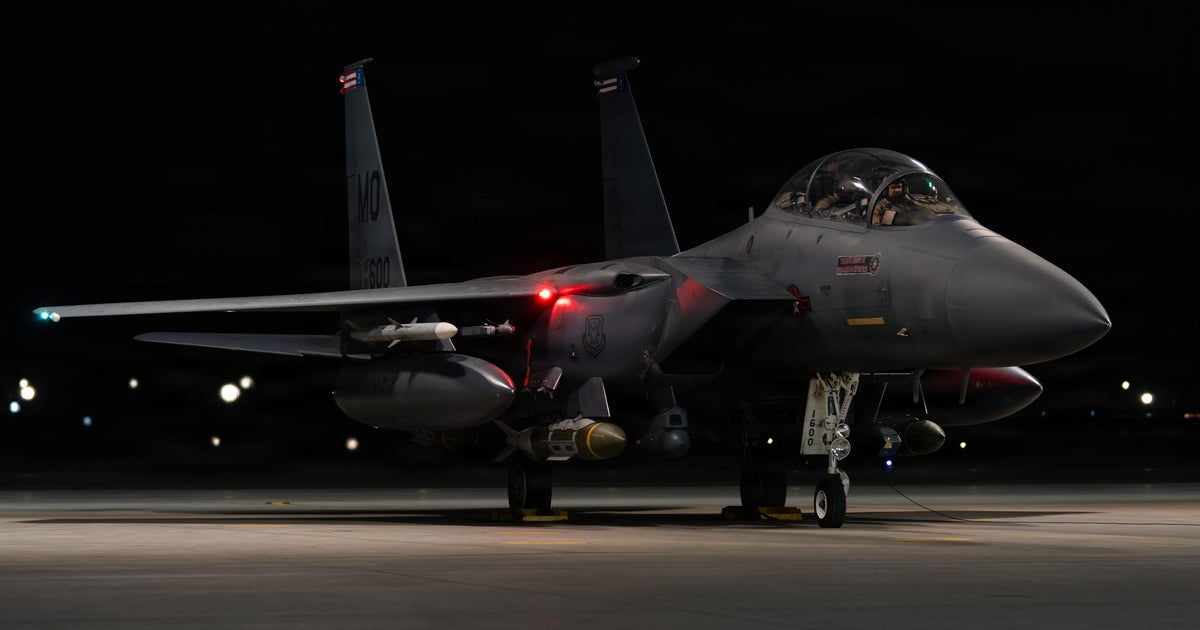
The strikes included aircraft such as F-15Es, A-10s, AC-130Js, MQ-9s, and partner jets; Torres-Tovar and Howard, Iowa National Guard members, were among those affected by earlier attacks.
Analysis
Center-leaning sources frame the U.S. airstrikes in Syria as a decisive and justified response to ISIS aggression. The language used, such as "large-scale strikes" and "root out Islamic terrorism," emphasizes the strength and resolve of U.S. forces. By highlighting official statements and the operation's scale, the coverage underscores a narrative of retribution and defense, aligning with a broader anti-terrorism stance.