Nationwide Iranian Protests Over Economic Collapse Intensify Amid Internet Blackouts and Deadly Crackdown
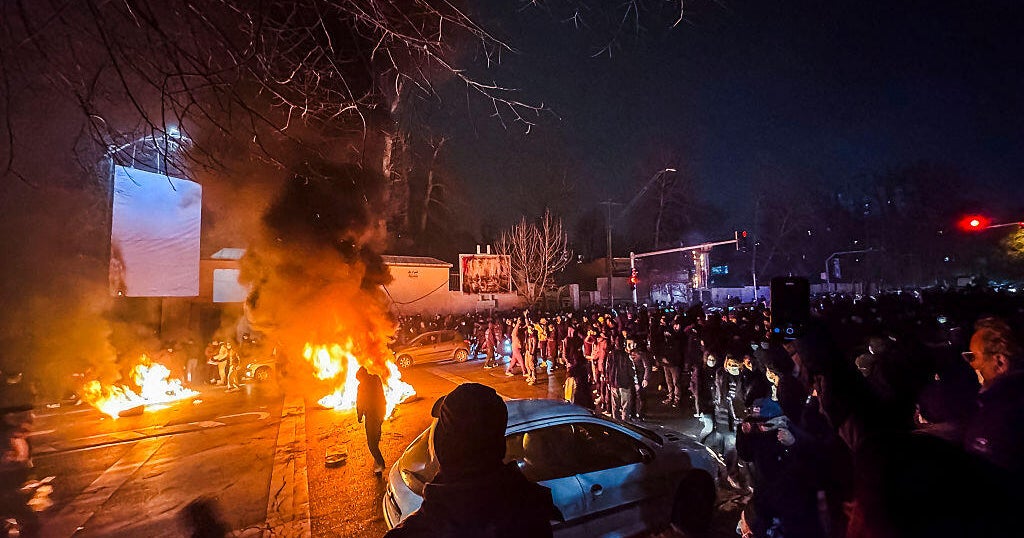
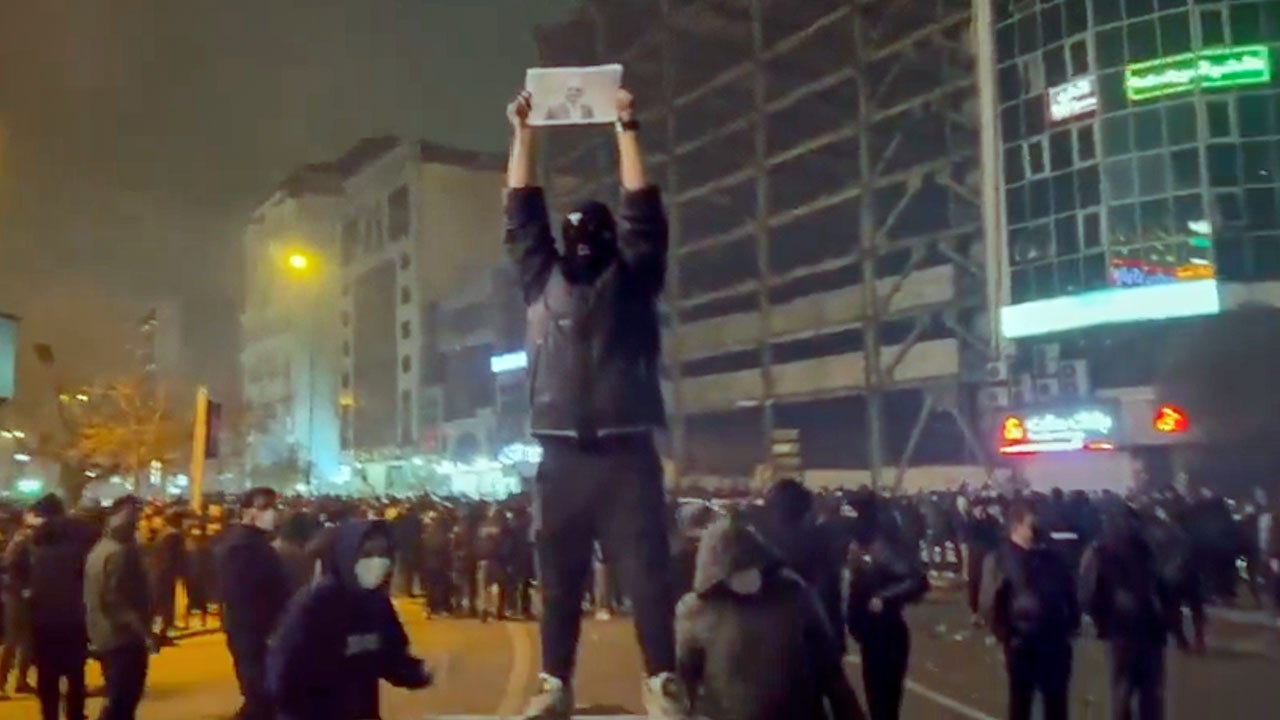
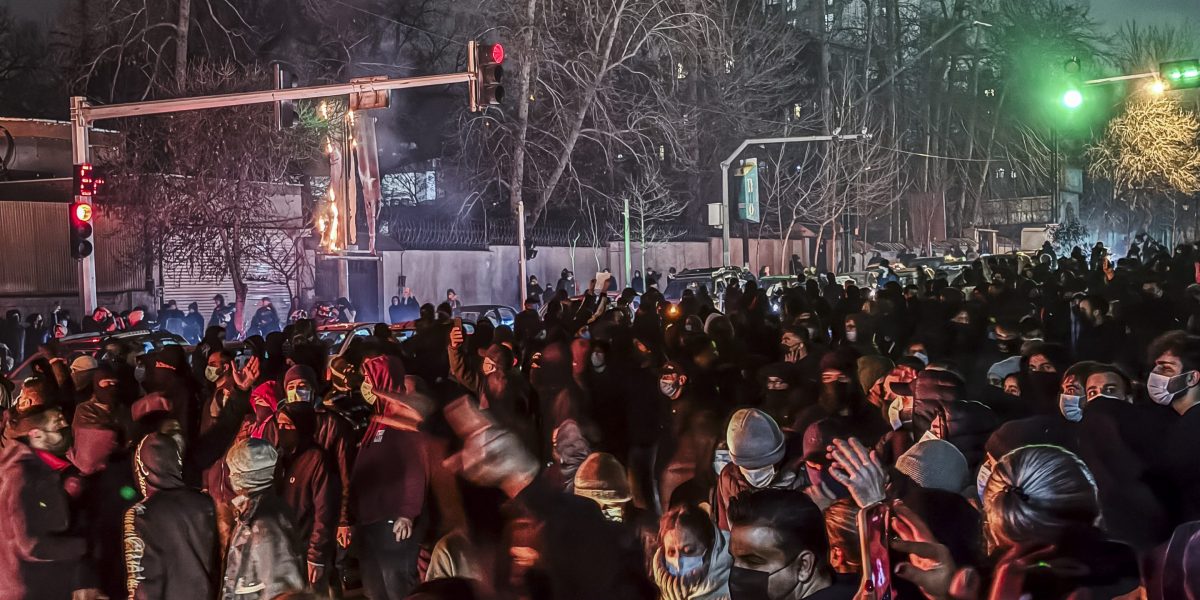
Nationwide protests in Iran began Dec. 28 over a rial collapse, escalating into anti-regime unrest amid internet blackouts, with hundreds reportedly killed and thousands detained.

 CNN
CNNTrump weighs potential military intervention in Iran | Politics
 CBS News
Iran protests are the biggest in years to challenge the regime. Here's what to know.
 FOX News
Retired general urges Trump to give Iran 'one more warning' as US reportedly weighs intervention
 Fortune
Iran threatens U.S. and Israel as protests enter third week
Overview
Protests started Dec. 28 after the rial collapsed, spreading nationwide to more than 100 cities as economic hardship and sanctions-fueled inflation transformed strikes into anti-theocracy demonstrations.
Iran imposed nationwide internet and phone blackouts, hampering outside verification; some footage circulated via Starlink and Al Jazeera reported live from inside the country.
Rights groups report widely varying casualty figures: HRANA cited 116 deaths and 2,600 detentions while other groups reported up to 203 or over 300 killed and thousands arrested.
Exiled Crown Prince Reza Pahlavi urged protests and seizing city centers; Tehran blamed foreign forces, while state TV aired funerals and televised parliamentary sessions to assert control.
U.S.-Israeli discussions and President Trump's warnings of possible military options accompanied the unrest; Israeli and U.S. officials reportedly discussed potential intervention during a phone call.
Analysis
Center-leaning sources frame the Iran protests as a significant challenge to the regime, emphasizing the economic roots and widespread nature of the unrest. They highlight the regime's harsh response, including internet blackouts and threats of violence, while also noting international reactions, particularly from the U.S. This framing underscores the protests' potential impact on Iran's stability and international relations.