U.S. Pressure Leads Nicaragua, Venezuela to Release Political Prisoners
U.S. pressure prompted Nicaragua and Venezuela to free dozens of detainees, including political prisoners; releases confirm rights groups' reports amid ongoing repression and unclear details.
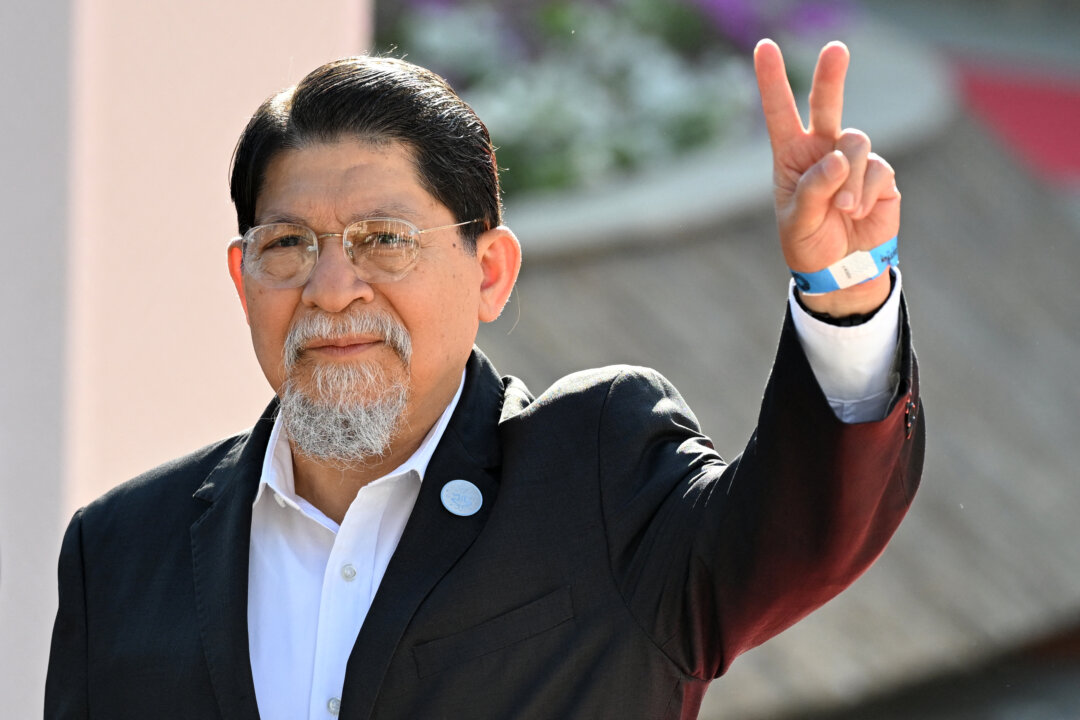
 Epoch Times
Following Venezuela, Nicaragua Releases Prisoners After US Demands
Epoch TimesFollowing Venezuela, Nicaragua Releases Prisoners After US Demands

 Al Jazeera
Nicaragua frees dozens of prisoners amid pressure from Trump administration
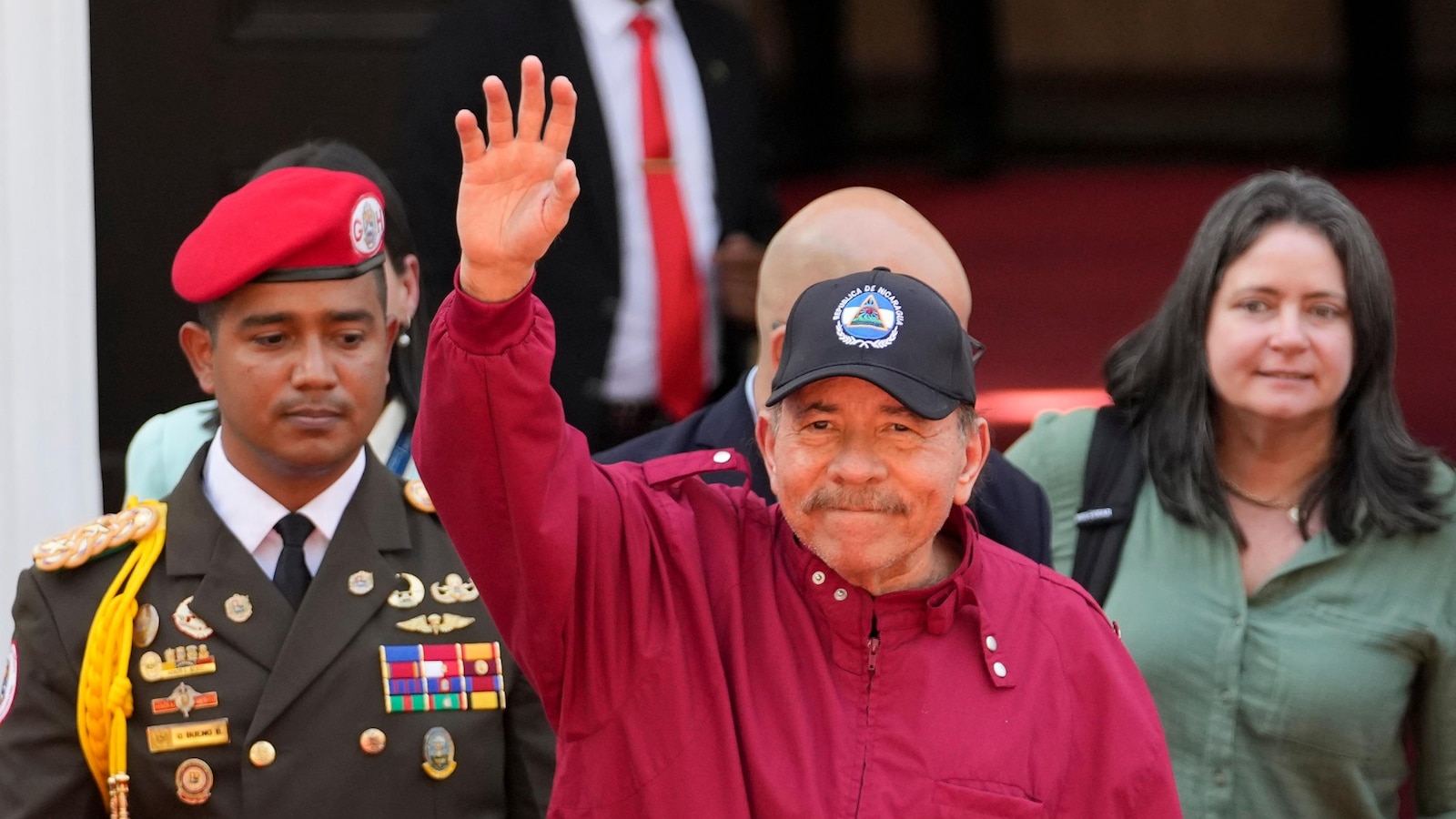
 ABC News
Nicaragua’s government says it’s freeing detainees after pressure from the US
Overview
Nicaragua released dozens of inmates after U.S. pressure; the government gave no official count or confirmation that freed individuals were political detainees and has not responded to inquiries.
A human rights NGO reported 19 political prisoners freed on Saturday; among them was Palacios, detained in July for criticizing the government over human rights violations and supporting 2018 protesters.
President Daniel Ortega and Vice President Rosario Murillo retain broad control over Nicaragua's state institutions; critics say the 2018 repression caused over 350 deaths and hundreds of detentions or disappearances.
Authorities have exiled opponents, revoked citizenship, closed over 5,000 religious organizations, and continue stripping rights from clergy, journalists, and activists amid a sustained crackdown since 2018.
Venezuela also began releasing political prisoners under U.S. pressure; details on who was freed remain unclear as Washington and regional actors press for broader political reconciliation.
Analysis
Center-leaning sources frame the story by emphasizing the U.S. pressure on Nicaragua and the broader context of human rights abuses. Language choices like "unjustly detained" and "crushing dissent" highlight the oppressive nature of Ortega's regime. The narrative prioritizes U.S. diplomatic influence and international criticism, while marginalizing the Nicaraguan government's perspective, creating a narrative of external pressure leading to change.