U.S. withdrawal from multiple U.N. bodies, halting support for key agencies
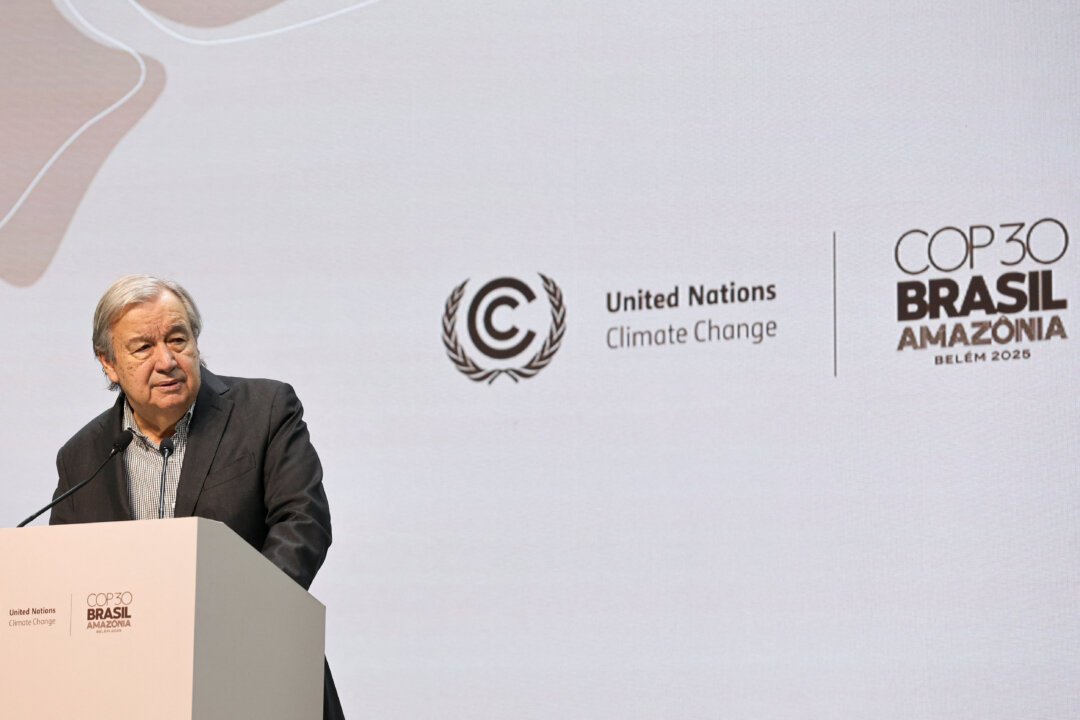
President Trump ordered withdrawal from the U.N. Framework Convention on Climate Change and paused support for WHO, UNRWA, Human Rights Council and UNESCO; U.S. officials haven't formally notified the U.N.
 Epoch Times
Trump Order Taking US Out of UN Climate Orgs Caps Flood of Corporate Exits
 El Pais
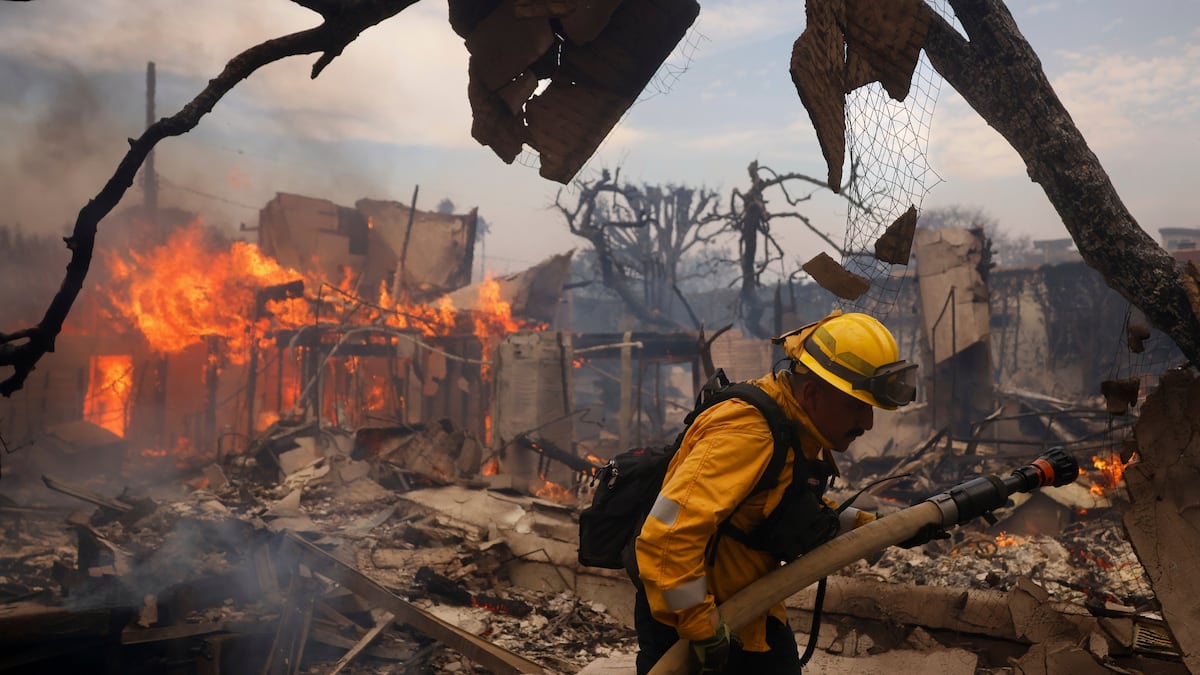
Trump’s climate war could cost America a generation, if we let it
El PaisTrump’s climate war could cost America a generation, if we let it

 PJ Media
UN Chief to Trump: The U.S. is 'Legally Obligated' to Fund the 31 Agencies He Has Cut
Overview
President Trump announced withdrawal from the U.N. Framework Convention on Climate Change and halted support for WHO, UNRWA, the Human Rights Council and UNESCO, with diplomats learning through news reports.
U.S. officials have not formally notified the U.N.; U.N. spokesperson Dujarric and other officials withheld comment, saying they lack details to assess impact on agencies.
The United States is a top funder of the U.N., paying about 22% of the regular U.N. budget and was required to cover 25% of peacekeeping costs; unpaid dues last year violated U.N. Charter obligations.
Programs likely affected include climate science panels, the Green Climate Fund and the U.N. Population Fund, which provides reproductive health services and has faced prior Republican funding cuts.
The withdrawals are part of a broader multilateral retreat: the Trump administration plans to exit 66 international organizations, including 31 U.N. entities, while allies have redirected humanitarian funds toward military spending.
Analysis
Center-leaning sources frame Trump's withdrawal from the UN climate treaty as a significant step back in global climate diplomacy. They emphasize the isolation of the U.S. from international efforts to combat climate change, using terms like "abandoning," "escalation," and "isolation." The narrative highlights the potential economic and environmental consequences, citing expert opinions and historical context to underscore the gravity of the decision.