U.S. Shift Ends Kurdish-Led Control in Northeast Syria
Washington withdrew military backing for the Syrian Democratic Forces, enabling Damascus to retake territory and custody of detention centers holding thousands.
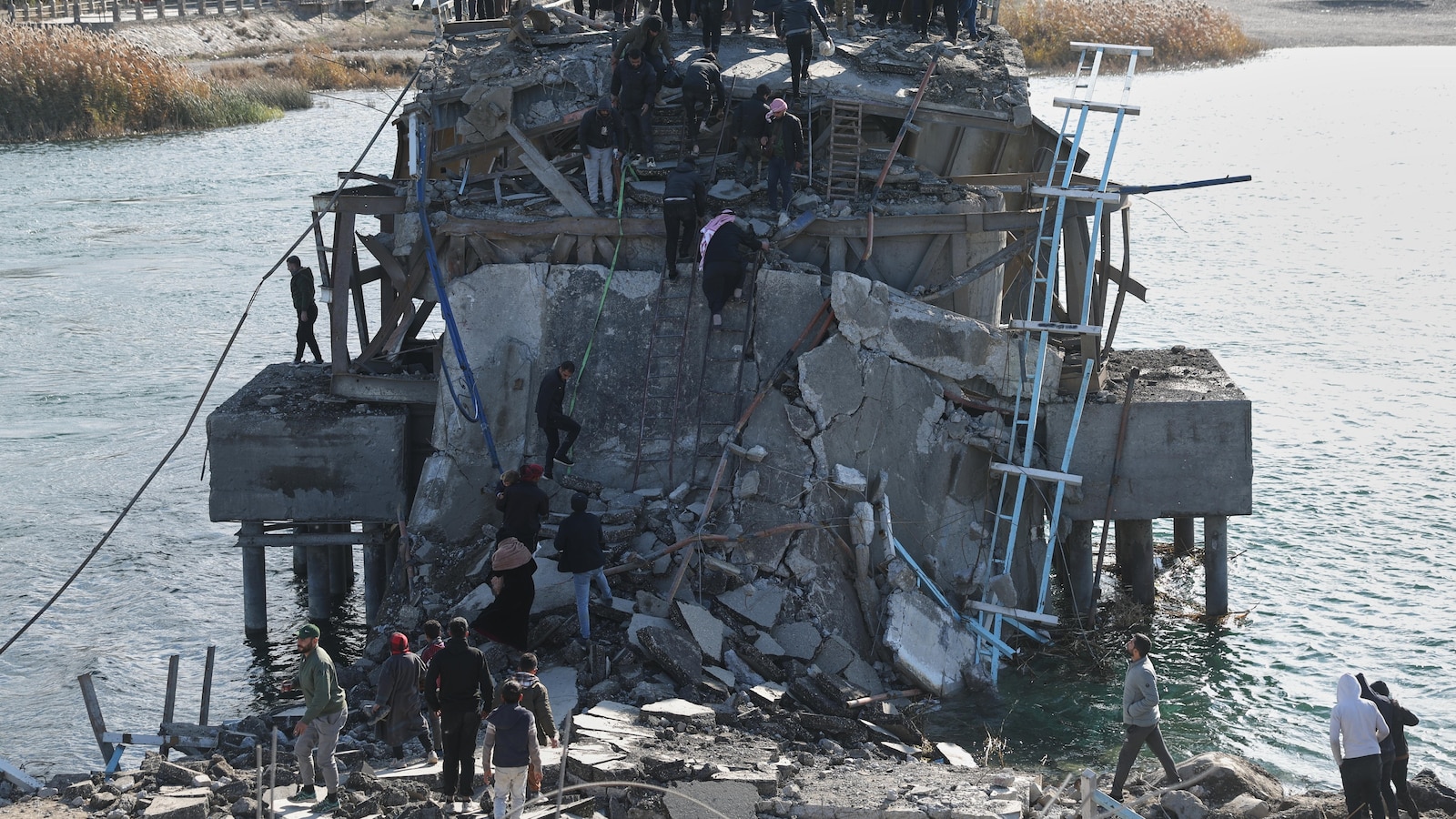
 ABC News
A US shift marked Kurdish-led forces' fall from power in Syria
 Associated Press
A US shift marked Kurdish-led forces' fall from power in Syria
 Newsmax
A US Shift Marked Kurdish-led Forces' Fall from Power in Syria
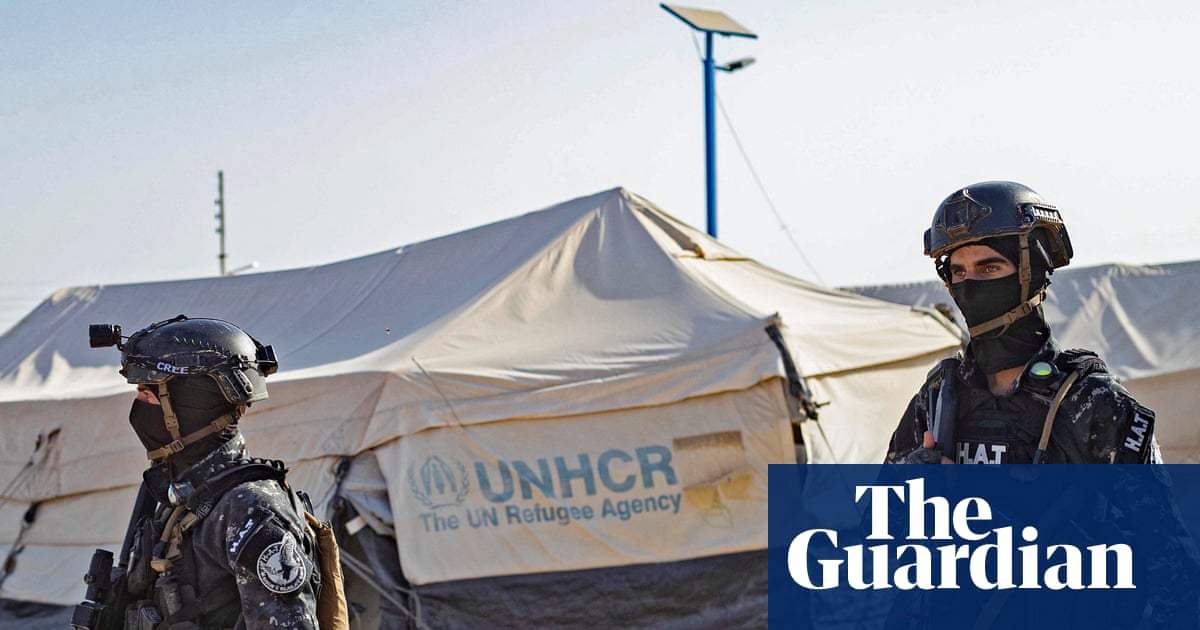
 The Guardian
Kurdish forces withdraw from IS detention camp in north-east Syria
Overview
LEAD: Clashes that erupted in Aleppo on Jan. 6 led to a Syrian government offensive that captured most of northeast Syria and culminated this week in a deal the Syrian Democratic Forces signed that U.S. envoy to Syria Tom Barrack said will effectively dissolve the SDF.
CONTEXT: The shift follows months of stalled U.S.-mediated negotiations after interim President Ahmad al-Sharaa and SDF leader Mazloum Abdi agreed in March 2025 to integrate the SDF's tens of thousands of fighters into a new Syrian army, officials and negotiators said.
RESPONSE: Elham Ahmad, a senior official with the de facto autonomous administration in the Kurdish-led northeast, told journalists Tuesday that the SDF's calls for intervention by the U.S.-led coalition 'have gone unanswered,' while Syria's U.N. Ambassador Ibrahim Olabi and other government officials blamed fractured SDF leadership and maximalist demands, according to interviews and statements.
SCALE: The government takeover transfers control of border crossings, oil fields and detention centers holding thousands of suspected Islamic State members — U.S. State Department estimates and Kurdish camp officials place detained fighters at roughly 9,000 and al-Hol camp's population at about 24,000 — to Damascus authority, U.S. and Kurdish sources said.
FORWARD: Washington is facilitating the transition rather than intervening militarily, U.S. envoy Tom Barrack said, and the parties announced a four-day ceasefire this week to attempt implementation of a 14-point integration deal that critics warn could spark unrest if integration and minority protections are not enforced, analysts said.
Analysis
Center-leaning sources are neutral: reporting attributes evaluative language to named actors, presents competing perspectives (U.S. envoy Tom Barrack, Syrian officials, SDF’s Elham Ahmad, analysts Noah Bonsey and Meghan Bodette), and avoids editorializing. Coverage balances government claims of SDF missteps with Kurdish grievances and expert context, limiting editorial framing.