Spain Faces Two Deadly Train Crashes in One Week
Catalonia suspended commuter service after a Gelida derailment that killed one trainee conductor and injured 37, coming days after a high-speed crash that left 43 dead.




Overview
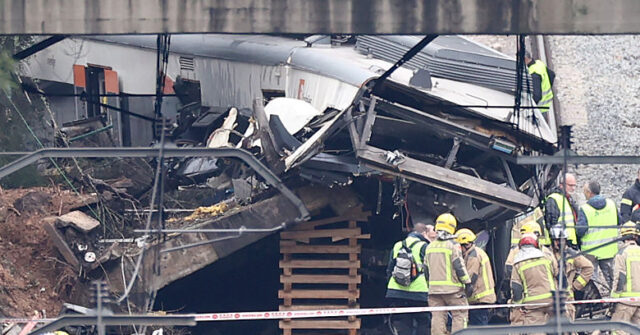
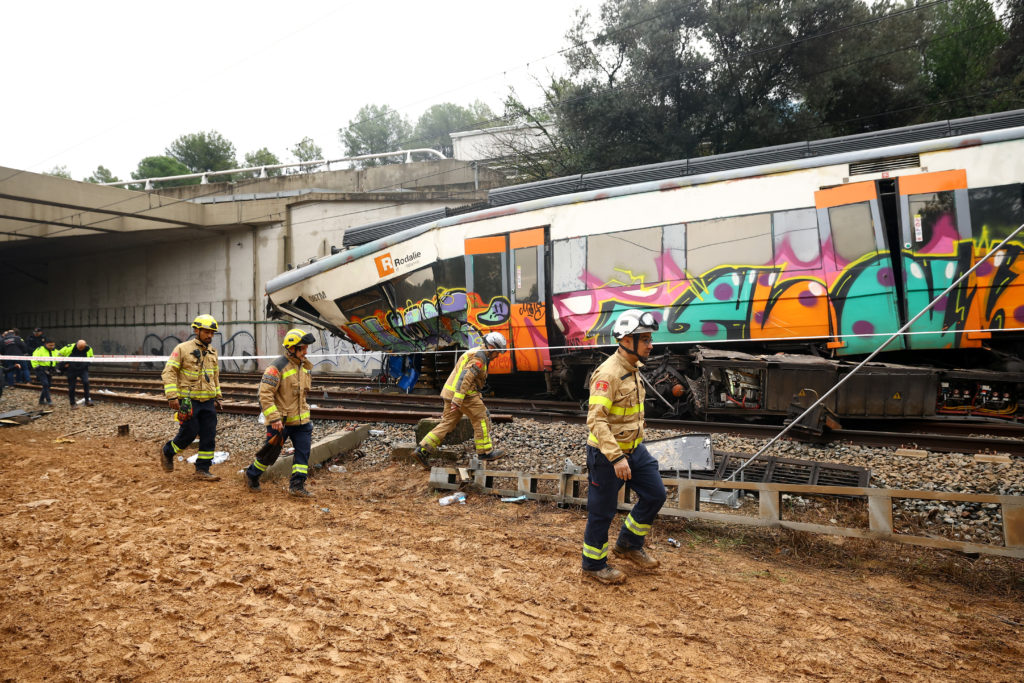
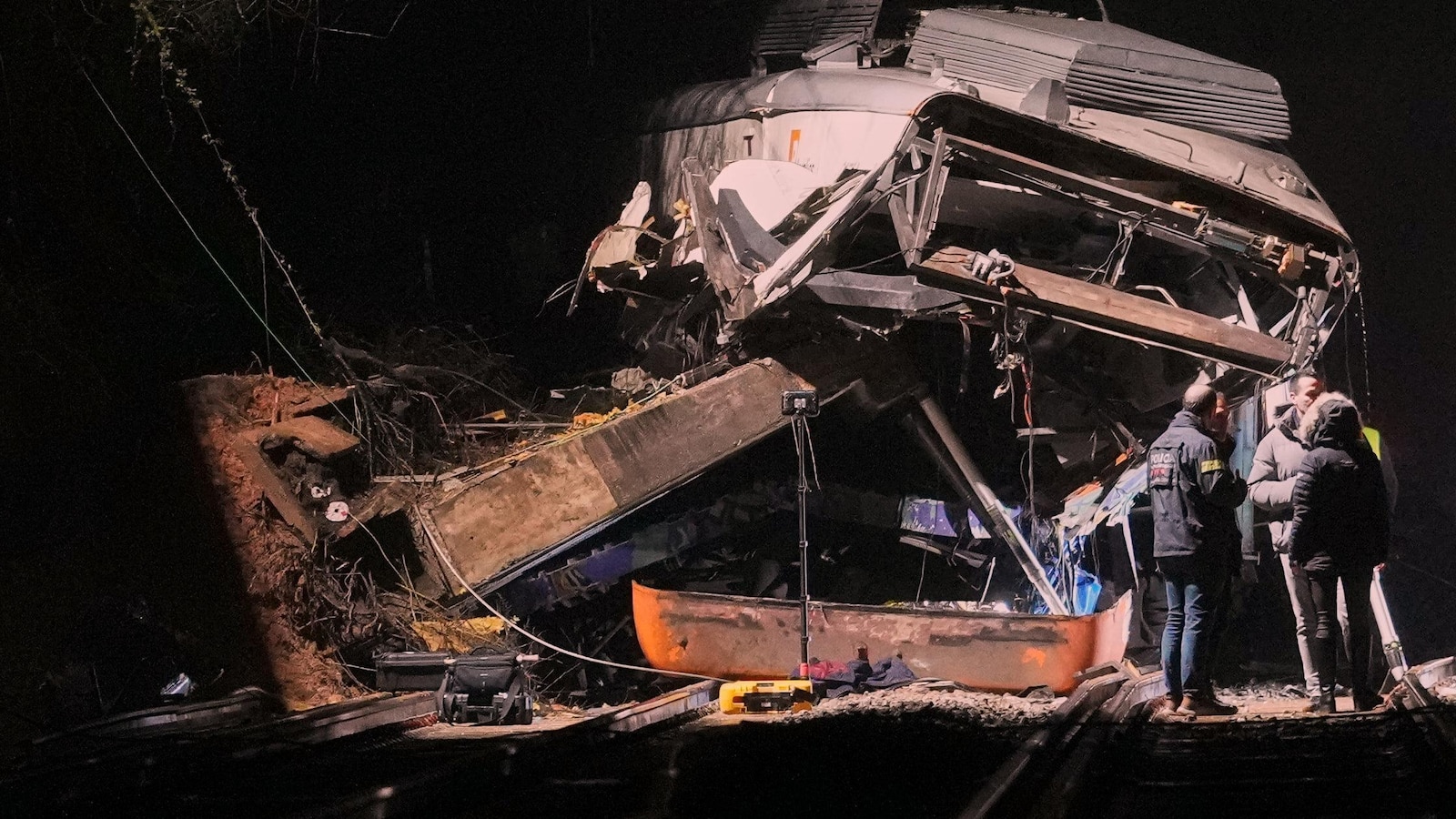
LEAD: Catalonia regional authorities suspended commuter rail service on Wednesday after a Barcelona-area commuter train crashed late Tuesday near Gelida, about 37 kilometers (23 miles) outside Barcelona, killing a trainee conductor and injuring 37 people, regional authorities said.
CONTEXT: The Gelida crash came two days after a high-speed collision near Adamuz in southern Spain on Sunday that derailed two trains, left 43 people dead and prompted three days of national mourning, officials said.
RESPONSE: ADIF, Spain's railway infrastructure operator, said heavy rainfall likely caused a retaining wall to collapse onto the Gelida tracks and investigators have opened probes into both crashes, while Transport Minister Óscar Puente called Sunday's collision "truly strange" and said a broken section of track is a working hypothesis, officials said.
SCALE: The Sunday collision involved an Iryo train carrying 289 passengers and a Renfe train carrying 184 people, produced bodies found hundreds of meters from the crash site, left 43 dead, 37 hospitalized and 86 treated and discharged, and occurred about 800 kilometers (500 miles) from Gelida, officials and regional authorities said.
FORWARD: Investigators warned it could take weeks to determine causes as searches continue and national rail safety teams examine a potentially faulty joint, the Spanish Union of Railway Drivers has called a strike over what it called "unacceptable" infrastructure deterioration, and Catalonia's regional government urged residents and companies to avoid nonessential travel and allow remote work while inspections and disruptions persist, officials said.
Analysis
Center-leaning sources report this as neutral: they use measured language, present official hypotheses alongside victims' accounts and union concerns, and note uncertainty (e.g., "truly strange", "just a hypothesis"). Coverage balances human stories, technical details, and calls for investigation without evaluative conclusions, signaling factual reporting rather than editorial framing.