Four Shark Attacks Close New South Wales Beaches
Four attacks in 48 hours prompted multiple beach closures, event cancellations and deployment of drumlines, drones and extra patrols.
 The Guardian
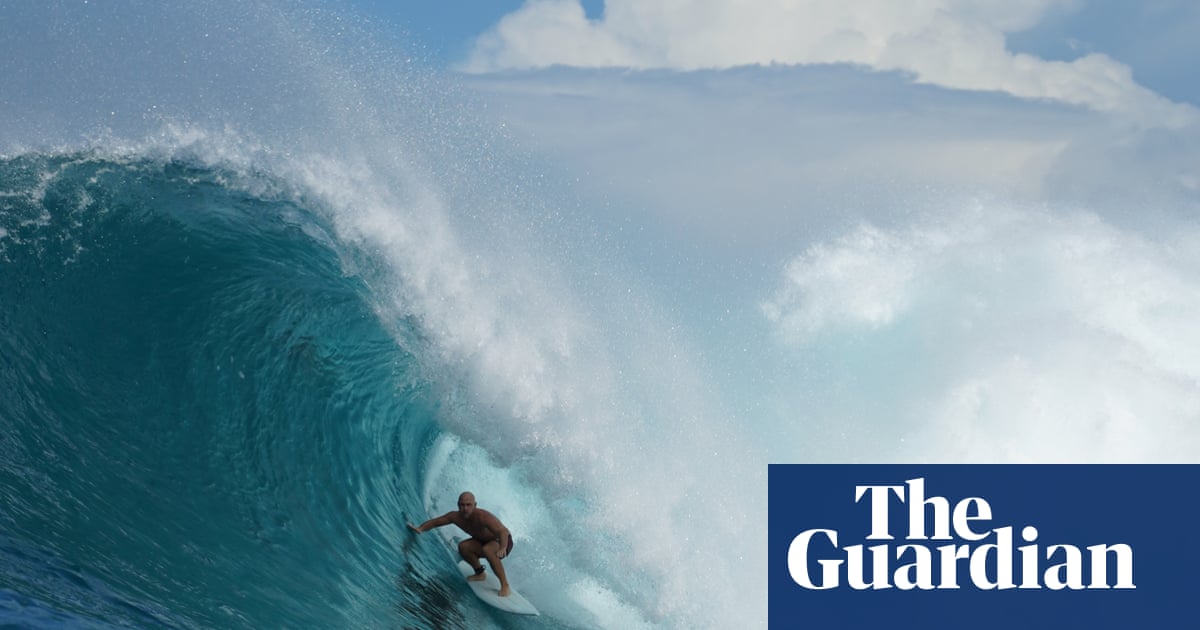
Four shark attacks in 48 hours leave Australian surfer Matt more afraid of local beaches than world’s biggest waves
 FOX News
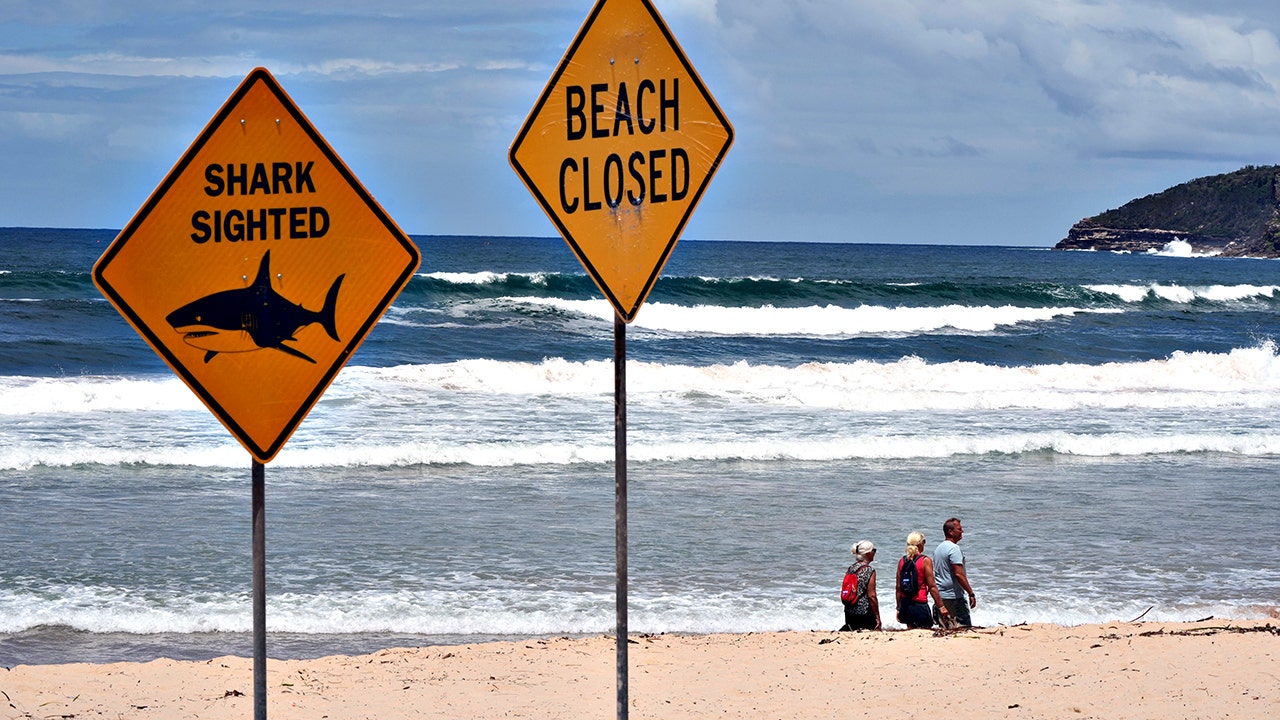
Fourth shark attack in three days rocks Australia as authorities close beaches and deploy drumlines
 CBS News
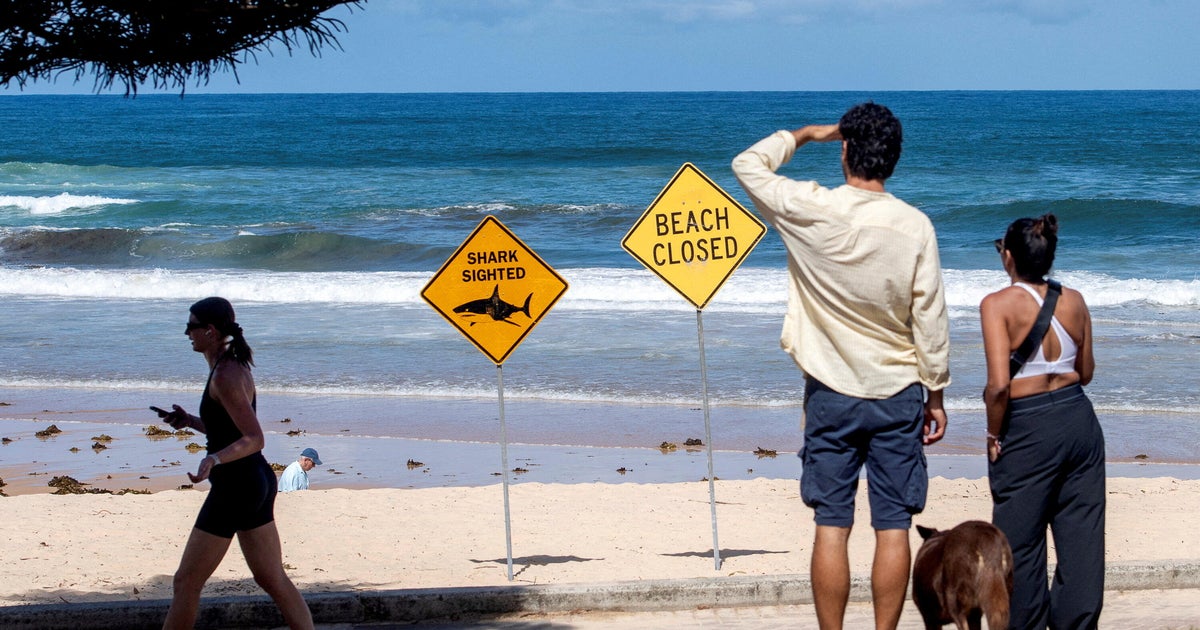
After 4 shark attacks in Australia in 3 days, beachgoers urged to "just go to a local pool"

 CNN
CNNFour shark attacks in two days. Why Australia’s beaches are so dangerous this year
Overview
LEAD: New South Wales authorities closed at least 28 Sydney beaches and additional mid-north coast sites after four shark attacks in 48 hours, the latest occurring about 9 a.m. Tuesday when a 39-year-old man was bitten at Point Plomer, treated for minor cuts and released, police said.
CONTEXT: The spate began Sunday when a 12-year-old boy was bitten after jumping from a 20-foot ledge known as Jump Rock near Shark Beach in Vaucluse and was pulled to shore by friends, Superintendent Joseph McNulty said, with local media reporting the boy later lost both legs.
RESPONSE: Surf Life Saving NSW chief executive Steven Pearce urged people to "just go to a local pool," warned that beaches were unsafe and said the agency deployed electronic drumlines, extra drones, jet-ski patrols and rescue helicopter sweeps, Pearce said.
SCOPE: Attacks included an 11-year-old whose surfboard was bitten at Dee Why, a surfer bitten at North Steyne who was hospitalized in critical condition Monday evening, and a 39-year-old at Point Plomer, and organisers cancelled the Big Swim at Whale Beach on Jan. 25 and the Sydney Harbour Splash scheduled for Jan. 26, while police and local councils reported about 28 Sydney beaches and additional mid-north coast beaches closed.
FORWARD: Authorities advised avoiding swimming or surfing for 24 to 72 hours after heavy rainfall, said patrols, drone surveillance and electronic drumlines would continue, and James Cook University researcher Jodie Rummer and other experts recommended waiting 72 hours before re-entering Sydney Harbour, officials and scientists said.
Analysis
Center-leaning sources frame this coverage as an acute public-safety crisis by foregrounding repeated attacks, closures, and official warnings. Language and structure emphasize danger (sequence of incidents, beach closures, historical fatalities), prioritize authorities' cautions and victims' accounts, and omit broader risk context or expert perspective on rarity of attacks.