European Rift Over Trump's Board Of Peace As Netanyahu Joins
European powers split over the U.S.-led Board of Peace as Israel and multiple states join and others refuse ahead of a Davos signing ceremony
 PBS NewsHour
Divisions emerge among western European nations over Trump's Board of Peace for Gaza

 Al Jazeera
Trump’s ‘board of peace’: Who has joined, who hasn’t – and why
 Washington Examiner
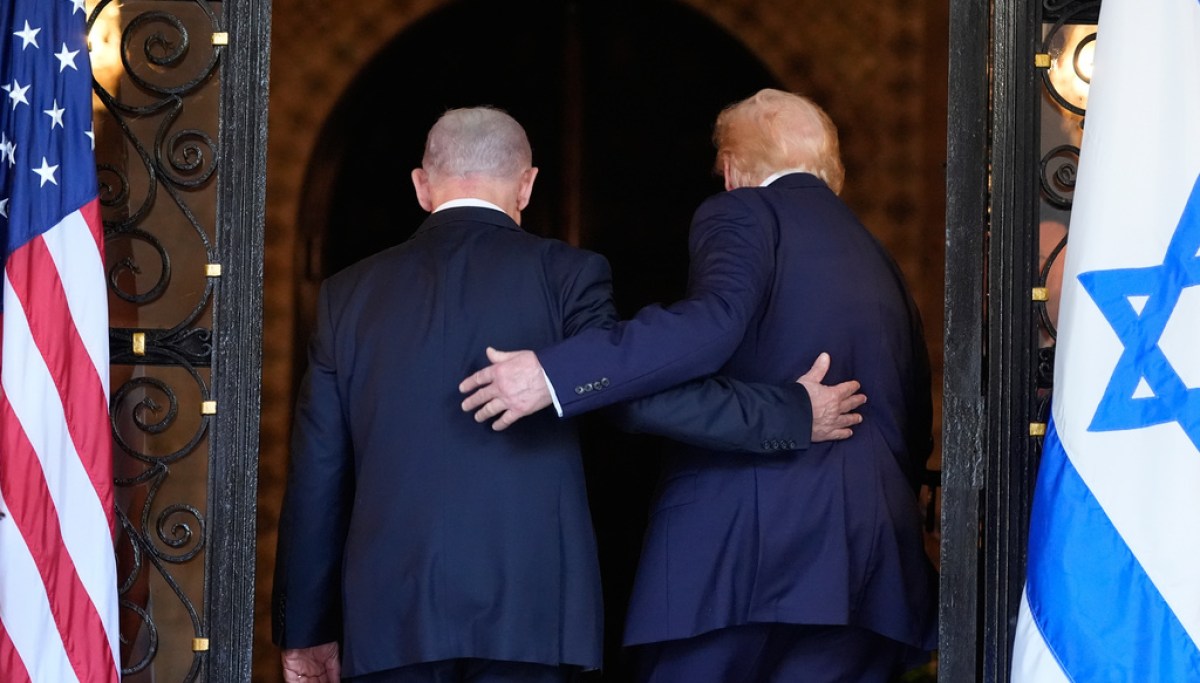
Netanyahu accepts Trump invitation to join Board of Peace
 Associated Press
A list of countries joining Trump's Board of Peace, those not joining and those not committed
Overview
Israel's Prime Minister Benjamin Netanyahu accepted President Donald Trump's invitation to join the Board of Peace and will become a member, the Israeli prime minister's office announced on Jan. 20.
The Board of Peace was unveiled by the White House on Jan. 16 to oversee the Gaza ceasefire plan at a time when Gaza's more than 2 million residents continue to suffer a humanitarian crisis and the Strip's health ministry says more than 460 Palestinians have been killed by Israeli fire since the October truce, with hospitals reporting 11 killed on Wednesday, according to the health ministry and hospital statements.
Norway's State Secretary Kristoffer Thoner said on Jan. 20 Norway will not join and will not attend the planned Davos signing, Swedish Prime Minister Ulf Kristersson said Sweden would not sign the board as the text stands, and French Foreign Minister Jean-Noel Barrot said France supports implementing the peace plan but rejects creating an organization that would replace the U.N., and human rights groups warned Netanyahu's participation raises objectivity concerns given an International Criminal Court arrest warrant issued in 2023, according to official statements and court records.
A White House official, speaking on condition of anonymity to describe internal planning, said about 50 countries had been invited and about 30 were expected to join while accepted invitations include the United Arab Emirates, Morocco, Vietnam, Belarus, Hungary, Kazakhstan, Argentina, Bahrain, Egypt, Azerbaijan, Kosovo and Israel, and the White House named founding executive board members including U.S. Secretary of State Marco Rubio, Trump envoy Steve Witkoff, Jared Kushner, former British Prime Minister Tony Blair, Apollo Global Management CEO Marc Rowan and World Bank President Ajay Banga.
A signing ceremony is planned for Thursday on the margins of the World Economic Forum in Davos, Switzerland, and officials said governments will study the charter's legal, political and financial implications as the draft grants the chairman sweeping powers including veto authority and allows member states to secure permanent status by contributing $1 billion within the first year, and President Trump said the board 'might' replace the U.N.
Analysis
Center-leaning sources frame the story by emphasizing institutional concerns (the leaked charter's lack of UN reference and $1bn 'permanent seat' provision), spotlighting allied pushback (France, Norway, Sweden) and portraying Trump's personal control ('exclusive authority' and open-ended chairmanship). They juxtapose acceptances with refusals and foreground official statements and leaked documents.