U.N. Report Declares Era Of Global Water Bankruptcy, Urges Urgent Reform
a UN University report warns human withdrawals exceed natural replenishment, risking irreversible loss of lakes, aquifers and wetlands for billions of people.



Overview
The United Nations University published a report Tuesday declaring the world has entered an "era of global water bankruptcy," saying more than 50% of the planet's large lakes have lost water since 1990, 70% of major aquifers are in long-term decline and nearly 4 billion people face water scarcity for at least one month each year, according to the report and its lead author, Kaveh Madani.
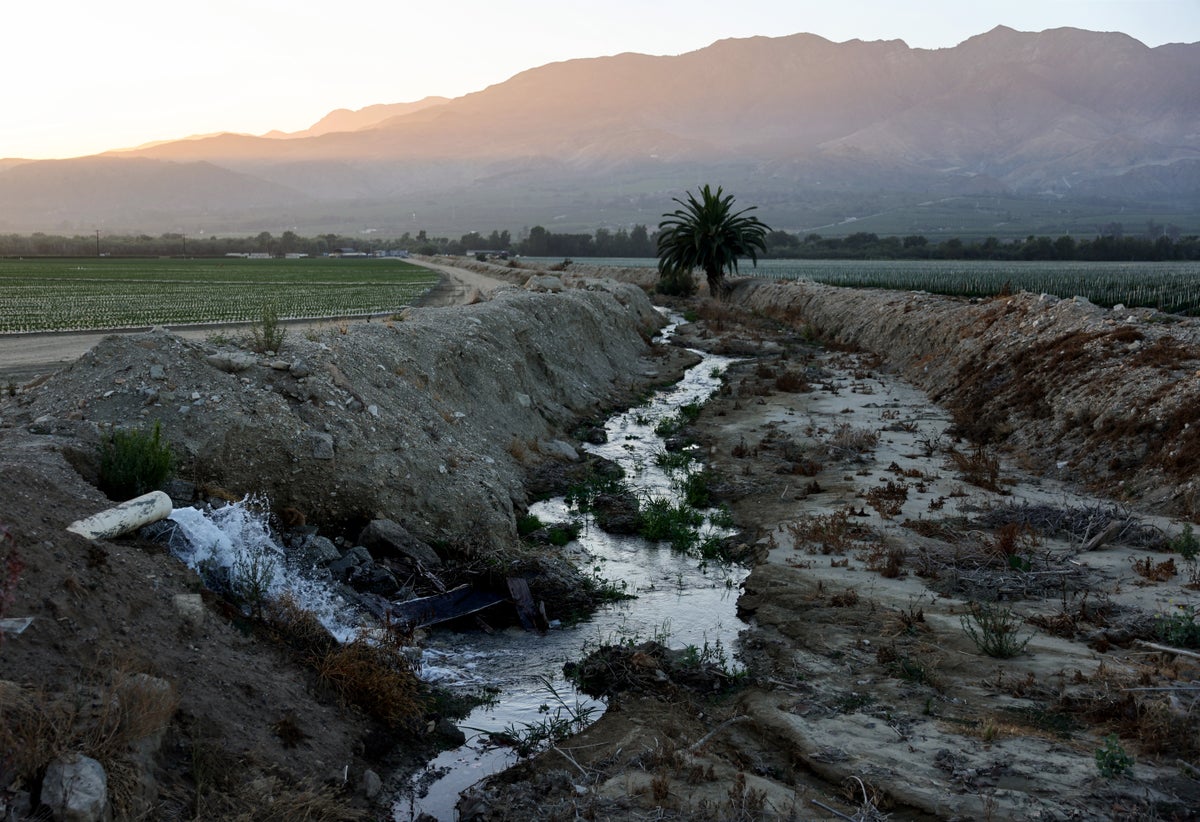
The declaration follows widespread over-extraction and pollution of surface and groundwater—examples cited include Kabul potentially running out of water, Mexico City subsiding about 20 inches a year from aquifer over-pumping, and the Colorado River's allocation system being based on historical flows that no longer exist, according to the United Nations University and the peer-reviewed study underpinning the report.
Kaveh Madani, director of the United Nations University Institute for Water, Environment and Health, said at the report's release that "by acknowledging the reality of water bankruptcy, we can finally make the hard choices," and UN Under-Secretary-General Tshilidzi Marwala warned that water bankruptcy is becoming "a driver of fragility, displacement and conflict," both statements attributed to UN officials in the report briefing.
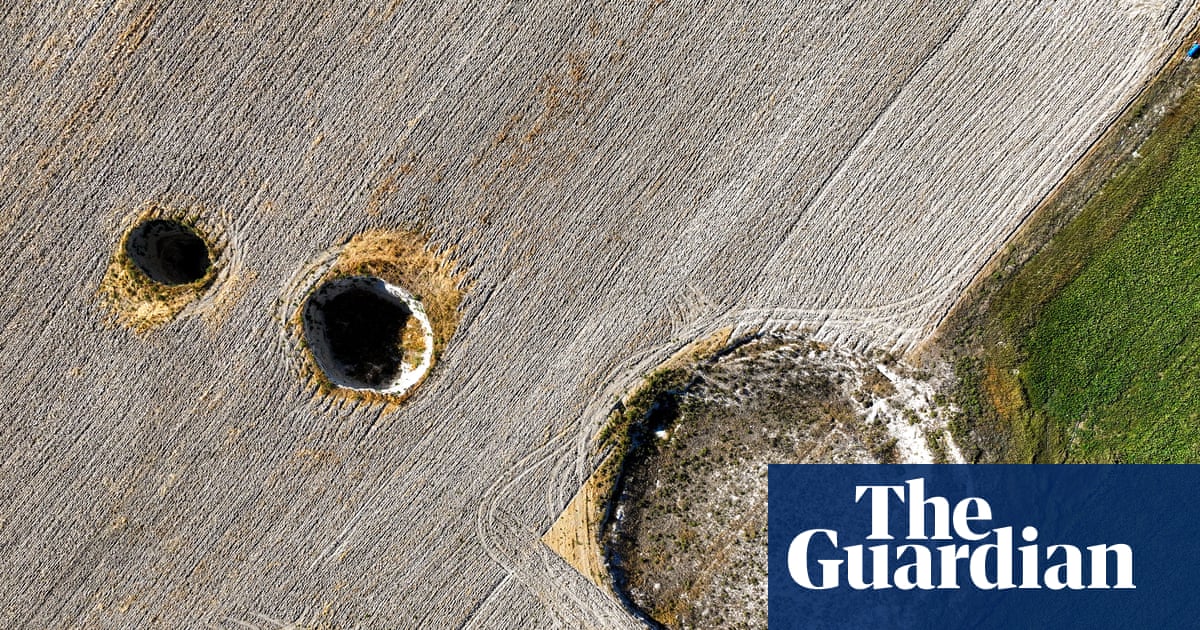
The report quantifies scale and impacts, saying wetlands almost the size of the European Union were erased over the past 50 years, glaciers have shrunk about 30% since 1970, cities such as Rafsanjan and Tulare are subsiding up to 30cm and 28cm per year respectively, and water-related conflicts rose from 20 in 2010 to more than 400 in 2024, according to the report and supporting studies.
The report urges immediate policy shifts—transforming agriculture (which accounts for roughly 70% of freshwater withdrawals) through crop changes and efficient irrigation, deploying AI and remote sensing to monitor water, cutting pollution and legally recalibrating water withdrawal rights to "new hydrological limits," and it calls for targeted support for affected communities as governments develop plans in the coming years, the report says.
Analysis
Analysis unavailable for this viewpoint.