TEPCO Restarts No. 6 Reactor at Kashiwazaki-Kariwa After 15-Year Shutdown
Japan restarted the No. 6 reactor at the Kashiwazaki-Kariwa plant, the first TEPCO-run unit back online since Fukushima, after a one-day delay for an alarm malfunction.
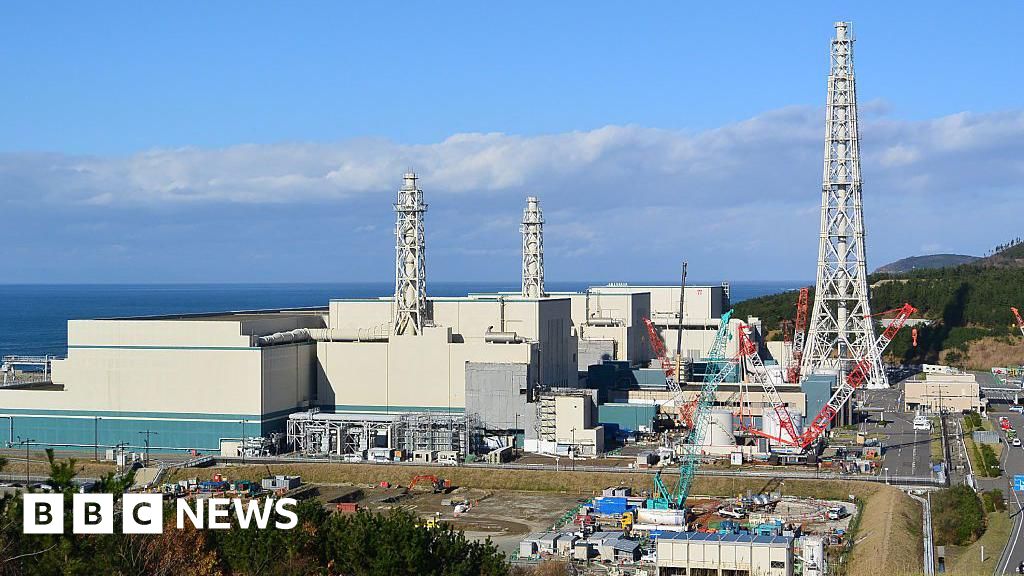
 BBC News
Japan suspends world's largest nuclear plant hours after restart
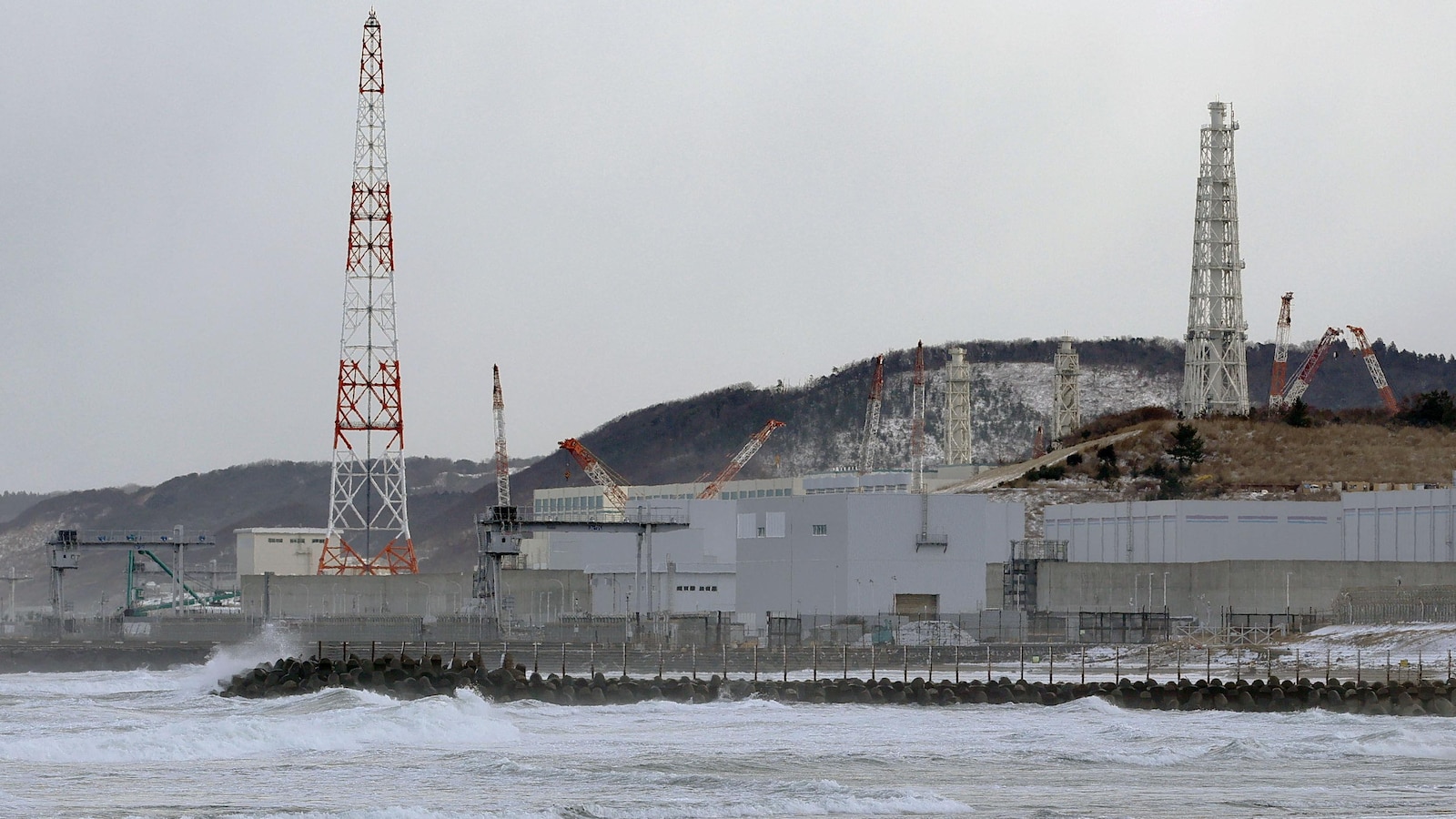
 ABC News
Nuclear reactor owned by Fukushima plant operator TEPCO suspends hours-old restart
 Associated Press
Nuclear reactor owned by Fukushima plant operator TEPCO shut down again hours after restart
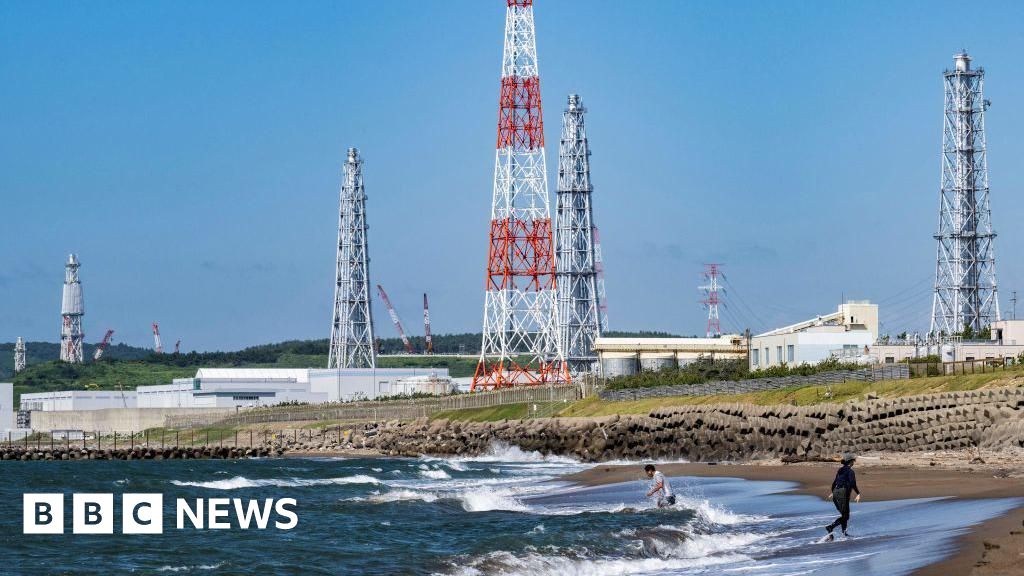 BBC News
Japan restarts world's largest nuclear plant as Fukushima memories loom large
Overview
LEAD: Tokyo Electric Power Company Holdings President Tomoaki Kobayakawa said the No. 6 reactor at the Kashiwazaki-Kariwa nuclear power plant reached a controlled chain reaction after operators restarted it on Jan. 21, 2026, following a one-day delay to investigate a faulty alarm, TEPCO said.
CONTEXT: The restart is the first TEPCO-operated reactor to resume operations since the March 2011 meltdowns at the Fukushima Daiichi plant forced Japan to shut all 54 reactors and prompted long-term evacuations, government records and historical reports show.
RESPONSE: Prime Minister Sanae Takaichi hailed the restart as critical for energy security and growing demand from data centers and semiconductor factories, while local residents and activists—citing a petition of about 40,000 signatures—expressed continued distrust and concerns about evacuation feasibility, protest organizers and local officials said.
SCALE: When Kashiwazaki-Kariwa was fully equipped with seven reactors it had up to 8.2 gigawatts of capacity, but only No. 6 will restart now to add about 1.35 million kilowatts—enough for roughly 1 million households in the Tokyo region—and TEPCO says it has spent more than 1 trillion yen on safety upgrades, company filings show.
FORWARD: TEPCO said the No. 6 reactor will be temporarily shut for inspection after reaching 50% output in about a week and aims for commercial generation in late February, while the Nuclear Regulation Authority's recent suspension of reviews after seismic-data falsification at another plant could slow additional restarts, the NRA said.
Analysis
Center-leaning sources present this coverage as generally neutral: they balance safety concerns (TEPCO’s past 'bad safety culture,' investigators' findings, residents' worries, evacuation limits) with factual context on energy needs, government policy, and TEPCO’s safety upgrades and costs. Reporting attributes evaluative claims to investigations and residents, limiting editorial judgment.