Border Patrol Agent Shoots Suspect Near Arivaca, Arizona
An accused smuggler, Patrick Gary Schlegel, 34, was hospitalized in critical condition after exchanging gunfire with a Border Patrol agent near Arivaca.
 The Guardian
Man in hospital after shooting by border agent in Arizona

 New York Daily News
Border Patrol shooting in Arizona leaves 1 in critical condition
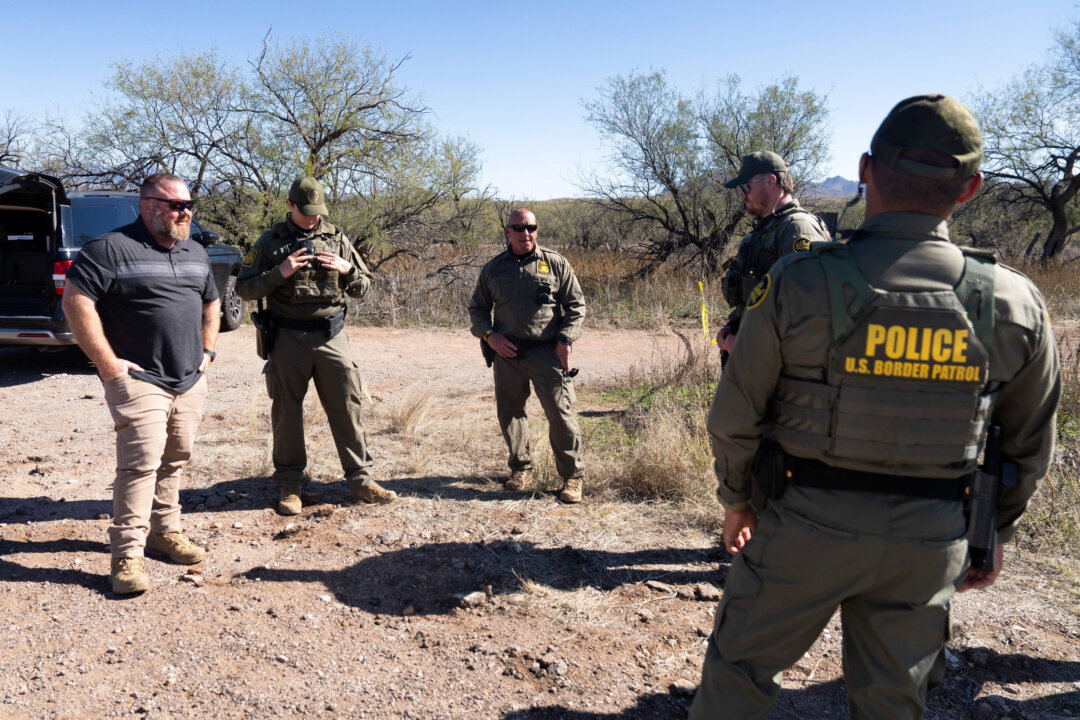
 Epoch Times
Border Patrol-Involved Shooting in Arizona Leaves 1 Person Injured

 Daily Caller
Border Patrol Agent Allegedly Assaulted Near Arizona Border, Suspect Shot And In Critical Condition
Overview
U.S. Border Patrol agents exchanged gunfire with a suspect identified as Patrick Gary Schlegel, 34, near Arivaca, Arizona, on Jan. 27, 2026, leaving Schlegel in critical condition and taken into custody, officials confirmed.
The incident occurred after agents first attempted to stop a pickup truck about 7:20 a.m. and later relocated the vehicle, prompting a foot pursuit when the driver fled, Pima County Sheriff Chris Nanos said at a press conference.
FBI Phoenix Special Agent in Charge Heith Janke said Schlegel allegedly fired at a U.S. Customs and Border Protection helicopter and at agents on the ground, prompting an agent to return fire; CBP opened an internal Office of Professional Responsibility review.
The Santa Rita Fire District and American Medical Response treated Schlegel on scene before airlifting him to a regional trauma center, and court records show Schlegel was previously convicted in 2023 of migrant smuggling and possessing firearms as a felon.
The FBI and the Pima County Sheriff’s Department are leading multiagency investigations and Schlegel faces likely federal charges including assault on a federal officer, alien smuggling, and felon in possession of a firearm.
Analysis
Center-leaning sources frame the incident by foregrounding official accounts and law-enforcement sourcing while still adding critical context. Editorial choices privilege FBI/CBP statements and criminal-history details for immediacy, then juxtapose recent controversies (Minneapolis shootings, humanitarian-group complaints, rising ICE activity) to invite scrutiny — combining deference to officials with contextualized skepticism.